Ithaca seeks Hollywood-driven tourism surge as Greek islands manage crowds
The Greek island of Ithaca is anticipating a significant increase in visitors following the release of Christopher Nolan’s film *Odyssey*, a strategy that contrasts with the overcrowding measures adopted by Santorini and Mykonos.
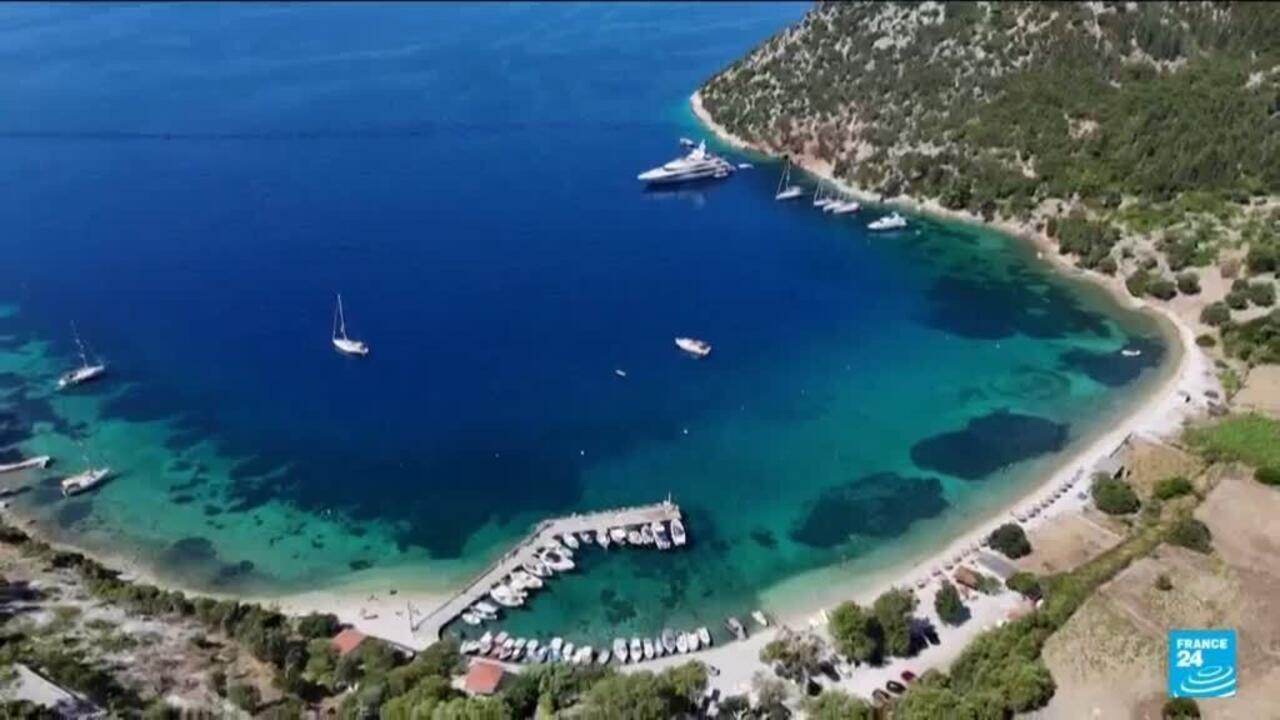
The Greek island of Ithaca is positioning itself for a substantial rise in tourism, driven by the release of Christopher Nolan’s film *Odyssey*. As the legendary home of Homer’s Ulysses, the location is drawing renewed attention from international audiences, with local stakeholders expecting the Hollywood production to serve as a catalyst for visitor numbers.
This anticipated influx presents a distinct contrast to the prevailing tourism management strategies on Greece’s most prominent islands. Throughout the current year, destinations such as Santorini and Mykonos have focused on mitigating the pressures of mass tourism. To address overcrowding, these islands have implemented specific regulatory measures, including caps on cruise ship arrivals and the introduction of steep entry fees for visitors.
While these major destinations have spent recent months fighting to limit tourist volumes, Ithaca is actively seeking the opposite outcome. The island has largely remained off the main tourist map, a status that local authorities view as an opportunity to capture new market segments. By leveraging the cultural resonance of the *Odyssey* narrative, the island aims to convert cinematic interest into sustained economic activity.
The reliance on a single high-profile film represents a calculated bet on international visibility. For a location that has not historically faced the same level of visitor saturation as its counterparts, the potential for growth is significant. The strategy suggests a shift from defensive crowd management to proactive attraction, utilising the film’s release to establish Ithaca as a key destination within the Greek archipelago.
However, the specific magnitude of the expected tourism boost has not been quantified in available reports. While the film is drawing new attention to the region, the precise timeline for sustained visitor growth remains to be seen. The approach highlights a divergence in policy within Greece’s tourism sector, where some islands prioritise capacity limits while others pursue expansion.
According to reporting from France 24 International, the island’s hopes are grounded in the film’s ability to reframe Ithaca’s profile in the global travel market. The outcome will determine whether the Hollywood boost translates into a lasting institutional shift in the island’s tourism infrastructure.