ISS Research Explores Link Between Pneumonia Bacteria and Heart Damage
New NASA-led investigation uses the unique space environment to observe how pneumonia-causing bacteria affect stem cell-derived heart tissues, aiming to improve treatments for Earth and long-duration space travel.
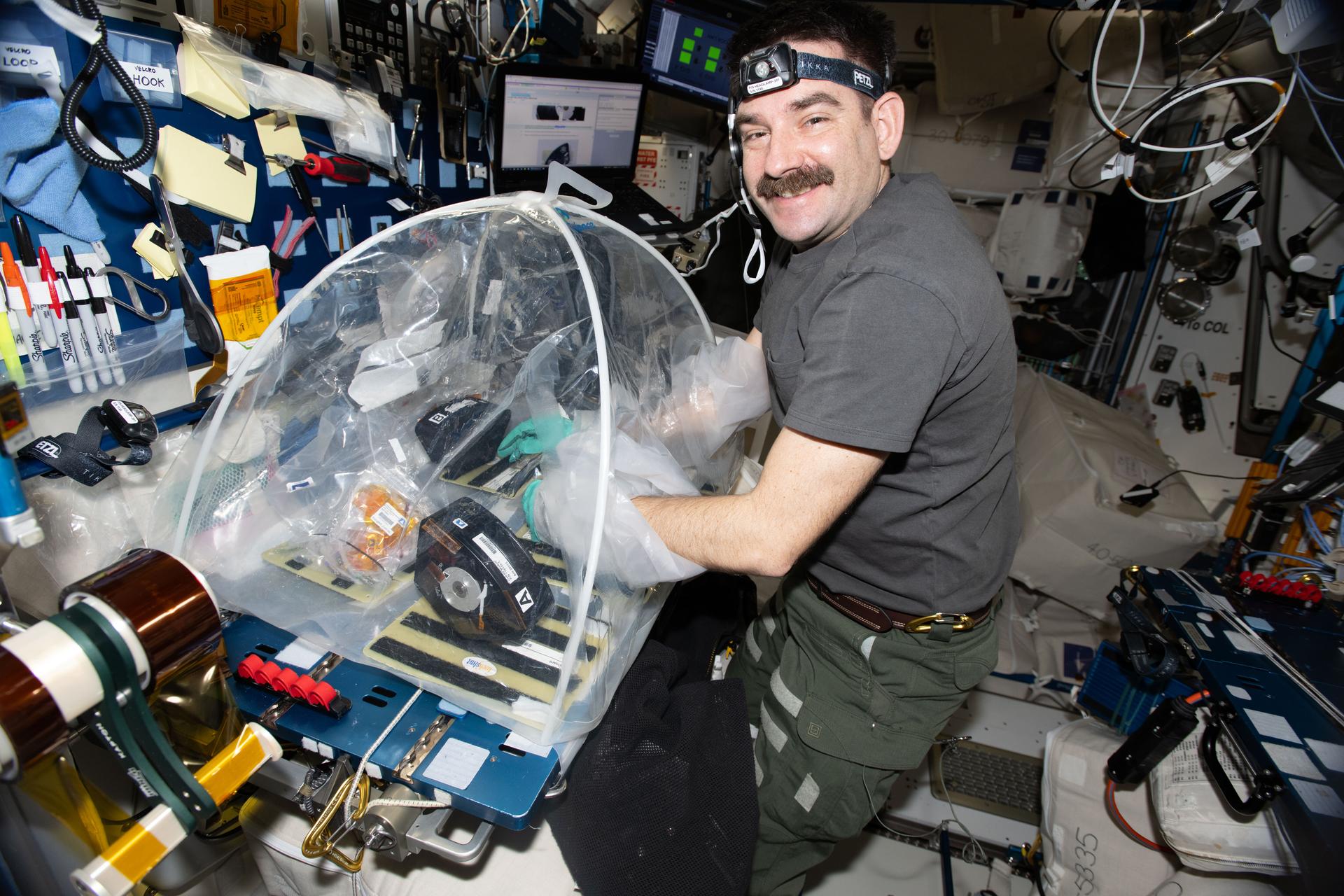
Expedition 74 astronauts aboard the International Space Station are conducting research into how Streptococcus pneumoniae bacteria cause long-term heart damage. The study utilises the microgravity environment to observe how stem cell-derived heart tissues respond to bacterial infections. Researchers aim to identify new methods for managing cardiovascular health and infectious diseases on Earth, while also preparing for human health during long-duration space travel.
The research is led by Dr Palaniappan Sethu, professor of Medicine and Biomedical Engineering, and Dr Carlos J Orihuela, professor of Microbiology, both from the University of Alabama at Birmingham. Scientists are leveraging the fact that bacteria in space tend to exhibit enhanced drug resistance and increased severity to exaggerate their effects on heart cells, making subtle cellular responses easier to detect than on Earth.
Streptococcus pneumoniae is the leading cause of community-acquired pneumonia, an infection that causes millions of deaths annually worldwide. More than a quarter of adults hospitalised for this condition develop heart disease, and survivors of severe cases retain an increased risk even after the infection is eradicated. Pinpointing the factors that make bacterial infections more severe in space could reveal new targets for treatment.
Dr Sethu noted that by exacerbating the infection in space, researchers anticipate a clear separation between infection and control groups. This separation makes it easier to identify subtle factors that promote bacterial virulence, which would be difficult to detect in terrestrial settings. The study builds on over 25 years of International Space Station research regarding human and microbial responses to space environments.
Addressing these questions is essential for ensuring human health during long-duration space travel and for enabling sustainable habitation beyond Earth, according to Dr Orihuela. The unique environmental factors aboard the station allow for advanced study of disease formation, drug testing, and diagnostic tools, benefiting both Earth-bound patients and future space explorers.