Israel’s West Bank Archaeology Push Sparks Heritage and Land Dispute
Critics accuse the Israeli government of weaponising archaeology to justify land expropriation in the occupied West Bank, while authorities maintain the measures are for preservation.
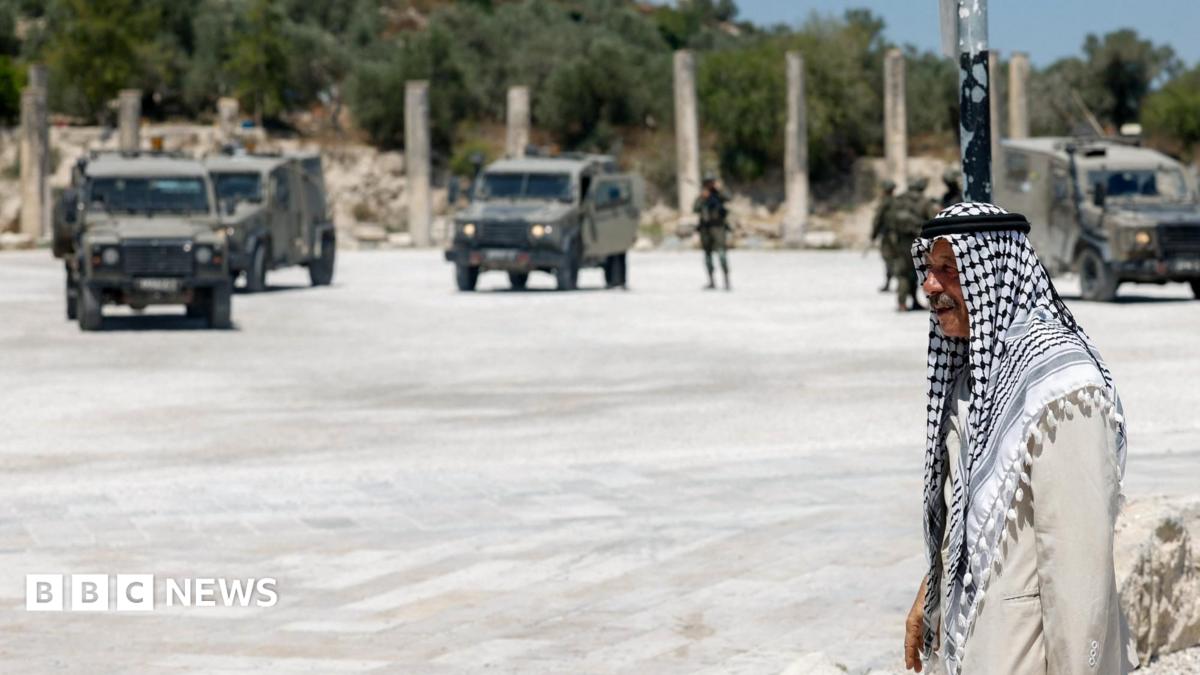
The Israeli government has allocated approximately 113 million shekels (£27.8m) to expand control over archaeological sites in the occupied West Bank, a move that has triggered accusations of land expropriation and heritage erasure. Authorities are planning to seize roughly 450 acres at the ancient site of Sebastia and 80 acres at Herodium to establish national parks, a strategy that critics argue serves settlement expansion rather than preservation.
At Sebastia, located in the northern West Bank, Palestinian landowners have received notifications that their olive fields are part of the 450-acre tranche being taken possession of. Landowner Abu Mudif described the loss as having "your soul ripped away," noting that such expropriations typically offer little or no payment, which many residents refuse as it would imply legitimacy over the loss of their patrimony.
The plan involves significant physical alterations to the site, including moving the entrance away from the village and current car park to the opposite side of the area. Nahed Sakha, who owns a restaurant under threat of demolition, stated that landowners were informed no one would be allowed to use or plough their land, effectively cutting residents off from the historic site which spans multiple eras including Roman, Crusader, and Ottoman periods.
UNESCO has added Sebastia to its List of World Heritage in Danger, citing the planned 'Samaria' (Shomron) national park as a threat that could divide the property. The United Nations agency warned that the expropriation undermines the site's integrity, while Palestinian officials hope the designation will bolster international opposition to the land seizures.
Israeli Foreign Minister Gideon Saar rejected the UNESCO designation, asserting that international votes cannot change historical ties to the region. However, Israeli activist groups and Palestinian officials contend the actions are a pretext for displacement. Peace Now, an organisation monitoring settlements, noted that under international law and Israeli Supreme Court rulings, expropriation for settlement purposes or exclusively for Israeli citizens is prohibited.
Further south near Jerusalem, similar measures are underway at Herodium, where 80 acres are being expropriated for site preservation. A bill proposed earlier this year to transfer control of archaeological sites from the Civil Administration to the Israeli heritage ministry, granting sweeping powers to seize land, passed its first reading in May but is currently on hold due to upcoming elections.
Israeli activist Alon Arad of Emek Shaveh argued that the proposed legislation demonstrates how archaeology is being weaponised to rewrite history and reallocate land from Palestinian to Israeli control. He emphasised that the development of such sites requires consultation with local communities to ensure they benefit, rather than bypassing municipal authorities and residents.
The situation at Sebastia highlights the complex jurisdictional divide in the West Bank, with the site straddling Area B, under Palestinian civil and Israeli security control, and Area C, under full Israeli authority. Residents report increased caution in accessing the ruins due to fears of confrontations with Israeli security forces and settlers.