Israel’s October 27 vote pivots to domestic fault lines as Palestinian issue recedes
With near-universal animosity towards the two-state solution among Jewish voters, the October 27 general election is expected to focus on internal governance, security failures, and societal division rather than the conflict with Palestinians.
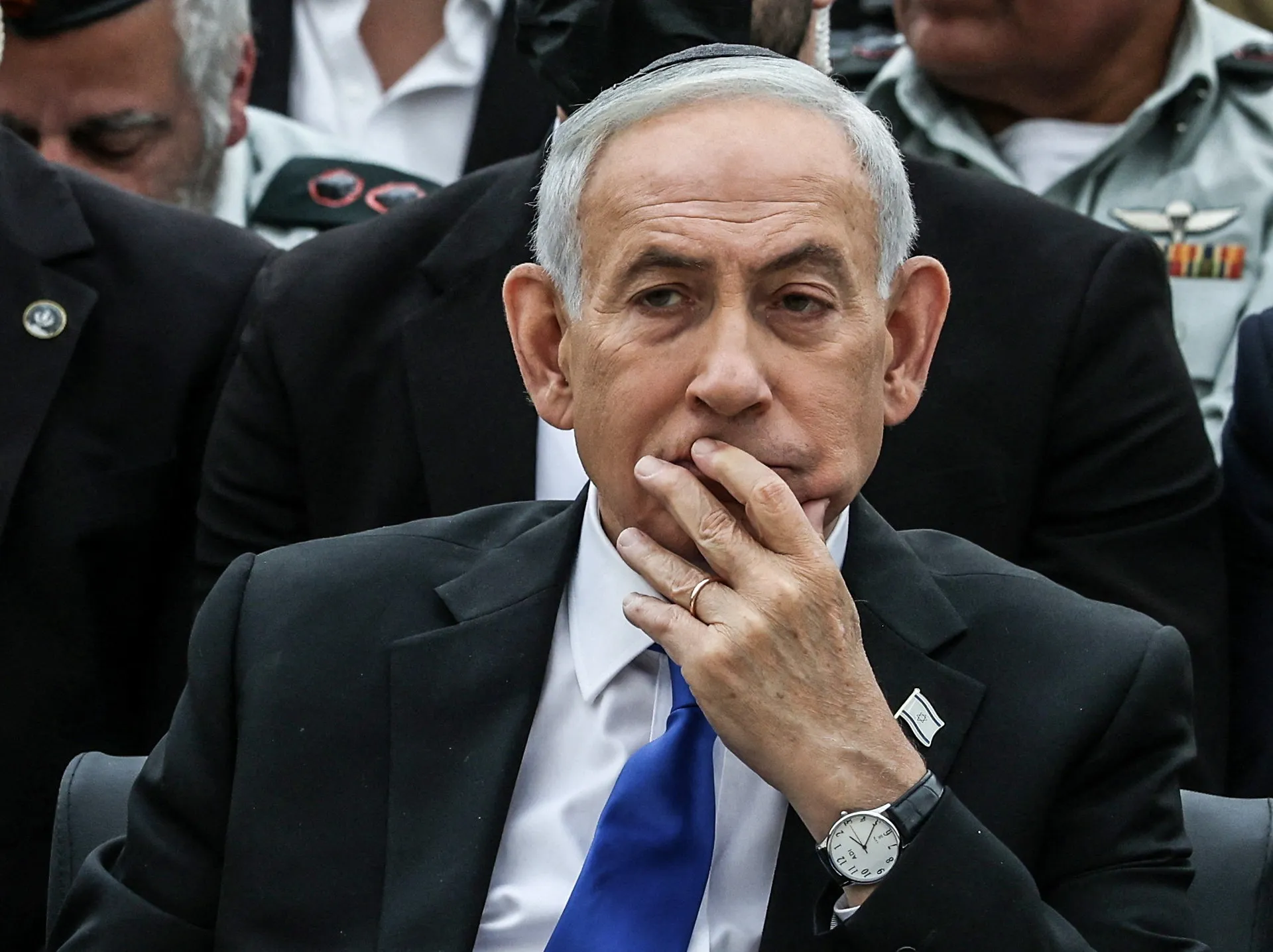
Israel’s general elections scheduled for October 27 are projected to be dominated by domestic political concerns rather than the conflict with Palestinians, according to analysts and pollsters. The upcoming vote is seen as a critical juncture for the nation’s democracy, with key fault lines including widespread opposition to Prime Minister Benjamin Netanyahu, the far-right coalition’s judicial overhaul, and the contentious conscription of ultra-Orthodox citizens.
Social-political psychologist Daniel Bar-Tal identifies the overhaul of the civil service and security forces as a primary voter concern. He notes that the appointment of loyalists to key positions within the army, the Shin Bet, and Mossad has damaged institutional integrity, with voters seeking to reverse these appointments. This structural shift is compounded by the 2023 judicial overhaul, which critics view as an anti-democratic assault on state institutions designed to free the government from judicial oversight.
Overshadowing all policy debates is the October 7, 2023 attack, which resulted in 1,139 deaths. The event continues to dominate public consciousness, with voters demanding inquiries into the security breach and Netanyahu’s role. Prominent sociologist Yehouda Shenhav-Shahrabani describes the opposition as an “Anti-Netanyahu bloc,” noting that even members of Netanyahu’s Likud party are reluctant to support him due to a perception that he is central to the country’s many ills.
The Palestinian issue has been largely sidelined, with near-universal animosity towards the two-state solution among Jewish voters. Crisis Group’s Mairav Zonszein states that the prospect of an independent Palestinian state is now considered off the table. Most mainstream Jewish parties have ruled out forming coalitions with Arab parties, with Finance Minister Bezalel Smotrich describing such a prospect as worse than the October 7 attacks. This political exclusion leaves Palestinian citizens of Israel, 158 of whom were murdered this year, with limited avenues to address endemic violence and lawlessness in their neighbourhoods.
The ultra-Orthodox community and their parties, Shas and United Torah Judaism, are focusing heavily on resisting conscription, a stance that has sparked protests and heated rhetoric. Former reserve major general Yair Golan allegedly referred to ultra-Orthodox men as “parasites” in leaked recordings, highlighting the deep societal divide. Political analyst Nimrod Flaschenberg attributes the prominence of this debate to heightened militarism following October 7, where the refusal of the ultra-Orthodox to serve stands in stark contrast to the national mourning for soldiers.