Israel’s institutional crisis deepens as mental health data reveals societal fracture
A near-40 per cent rise in military PTSD, a surge in suicides linked to combat, and President Isaac Herzog’s warning of a “process of brutalisation” underscore the long-term governance challenges facing the state.
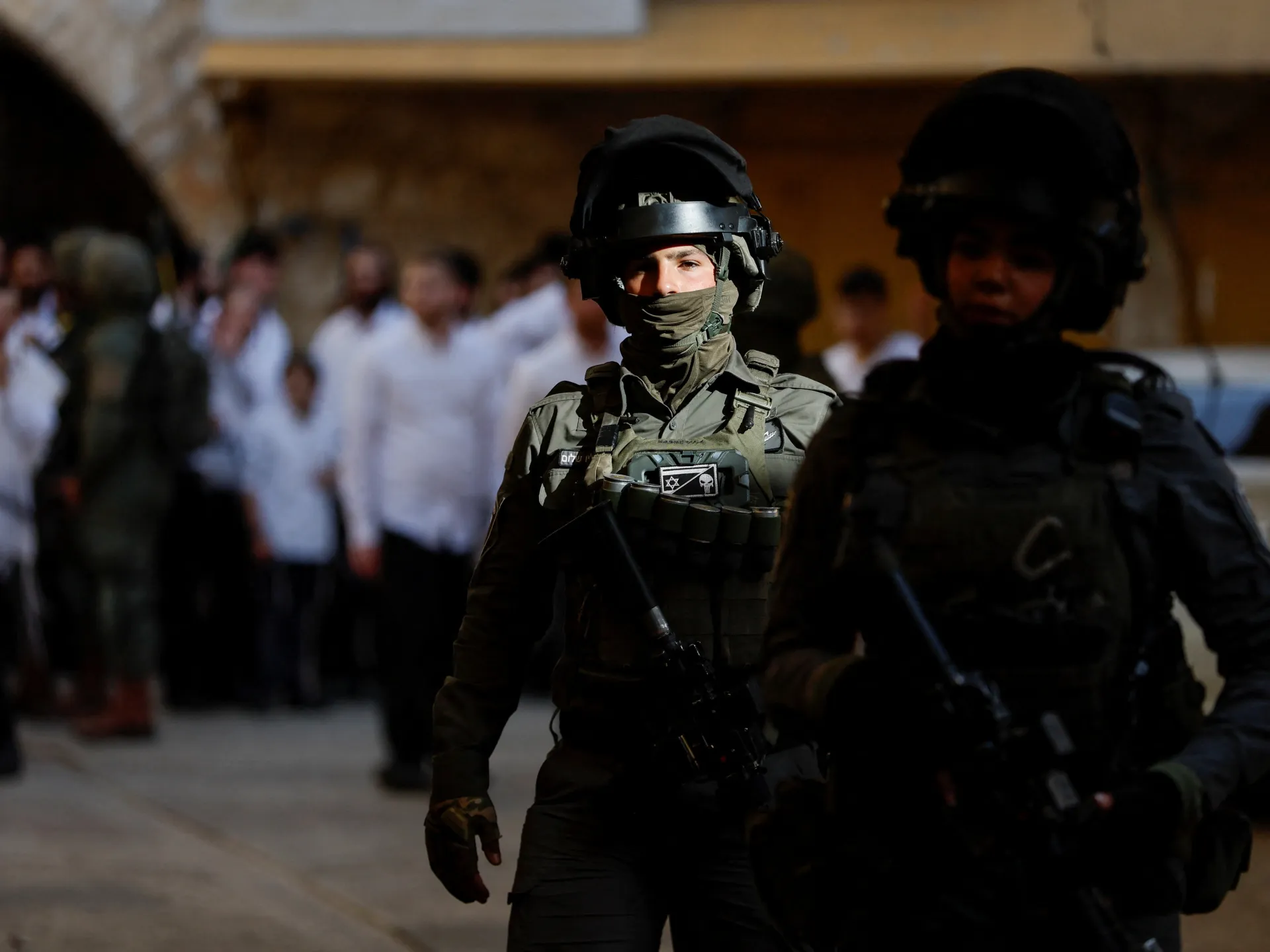
Israel is confronting a severe mental health crisis that analysts and officials describe as a fundamental shift in societal governance and social cohesion. Following more than two years of sustained military engagements since October 2023, official data and surveys indicate widespread trauma, with approximately one-third of the population requiring professional mental health support. The strain is particularly acute within the military, where the Defence Ministry reported a near-40 per cent increase in post-traumatic stress disorder (PTSD) cases among soldiers since September 2023.
The scale of the crisis has prompted emergency responses from state institutions. Magen David Adom, Israel’s paramedic service, launched a dedicated mental health emergency service after recording a 45 per cent spike in related calls, attributing the majority to the ongoing conflict. Data further highlights a sharp rise in suicides, with the Jerusalem Post reporting in February that 78 per cent of military suicides in 2024 were linked to combat operations in Gaza, the occupied West Bank, and Lebanon. Despite these trends, the government has not published the number of soldiers discharged due to mental health issues, despite a legal obligation to do so.
President Isaac Herzog has publicly acknowledged the deteriorating social fabric, describing a “process of brutalisation” creeping into mainstream society. Speaking in late May, Herzog cited increases in domestic violence, attacks on minorities, and violence perpetrated by settlers in the occupied West Bank. He warned that this slow and disturbing process threatens the integrity of Israeli society, noting that alongside calls for unity, violence is rearing its head at the margins of the social order.
Analysts attribute these trends to widespread trauma, institutional betrayal, and a significant political shift towards right-wing views, particularly among younger demographics. Tuly Flint, a mental health practitioner and combat veteran, described a loss of confidence in government and institutions, noting that the gap between past conflicts and the present has created a false sense of security. This disillusionment has coincided with a poll by the N12 news site, which found that 46 per cent of first-time Jewish Israeli voters aged 18 to 21 attributed the events of October 7 to a “betrayal from within”.
The long-term implications for governance remain uncertain, with experts debating whether the trauma will lead to greater aggression or a search for negotiation. Sociologist Yehouda Shenhav-Shahrabani argued that the events of October 2023 accelerated existing societal currents rather than initiating new ones, pointing to a rise in fascist elements within Zionism that had previously been obscured by more liberal strands. As the state grapples with these aftershocks, the intersection of mental health, military policy, and political ideology continues to define the national discourse.