Israel’s expanding military footprint in southern Syria strains diplomatic ties
Since the fall of the Assad regime, Israeli forces have established multiple bases in the UN-patrolled demilitarised zone, prompting stalled negotiations and rising tensions over the 1974 disengagement agreement.
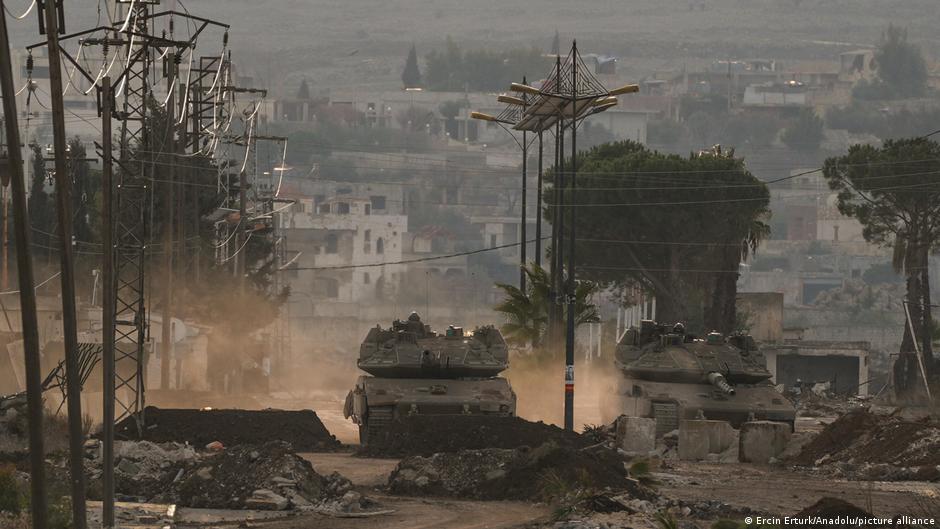
Israel’s military presence in southern Syria has intensified significantly since the collapse of the Assad regime in December 2024. Israeli forces have taken control of the UN-patrolled demilitarised zone, a buffer area established under the 1974 disengagement agreement to keep Israeli and Syrian forces apart. Senior Israeli politicians have declared the 1974 agreement void, stating that troops would remain temporarily to protect against cross-border attacks, yet the presence appears to be becoming more permanent.
In November 2025, the United Nations Disengagement Observer Force (UNDOF) reported that Israel had set up 10 bases in the region. From these positions, Israeli soldiers conduct near-daily incursions into the Syrian provinces of Daraa and Quneitra. These operations typically involve armoured patrols through populated areas, the establishment of temporary checkpoints, and the searching of civilians, including the examination of phones and collection of biometric data.
The frequency of these incursions has risen sharply. The Sijil Center, a Syrian consultancy that documents violations of Syrian territory, recorded 818 incidents between 25 August and 31 December 2025. Since the start of 2026, the centre has counted 1,632 incursions, averaging 48 incidents per week. The centre also reports that approximately 200 Syrians have been detained by Israeli forces since December 2024, with between 40 and 50 believed to remain in Israeli jails.
Local authorities and residents report significant damage to infrastructure and livelihoods. Quneitra authorities claim Israeli troops have seized over 200 sheep, destroyed drinking water wells, and razed horticultural areas. Mousa Khalil, a resident of Hamidiyah village, stated that his two-storey home was completely destroyed by Israeli troops last year. He noted that at 65 years old, finding work to support his family of eight and rebuild his home has become increasingly difficult.
Diplomatic efforts to reactivate the 1974 disengagement agreement have stalled. Talks, which were mediated by the United States, fell apart late in 2025, coinciding with an increase in Israeli incursions. Syria’s Foreign Minister told US news outlet Axios that while significant progress was made in year-long security negotiations, Israel walked away. He argued that "security cannot be one-sided" and that Israel must address Syrian concerns regarding its expansionist policy.
Analysts suggest several factors drive Israel’s behaviour. Elizabeth Tsurkov of the New Lines Institute cited the "collective trauma of October 7th" and Israel’s perception of the new Syrian government as hostile. A study by the Syrian think tank Etana indicated that Israel’s control of Mount Hermon allows for surveillance of Lebanon and provides access to water resources in Quneitra and western Daraa. H.A. Hellyer of the Royal United Services Institute in London described the situation as "Israeli paramountcy," noting that recent history shows Israeli security zones often turn into permanently occupied territories.