Israeli strikes kill 10 in Lebanon, including high-ranking officers, days after truce talks
At least 10 people, including a brigadier general and a captain, were killed in Israeli strikes across southern Lebanon, marking a significant escalation following the announcement of a conditional truce in Washington.
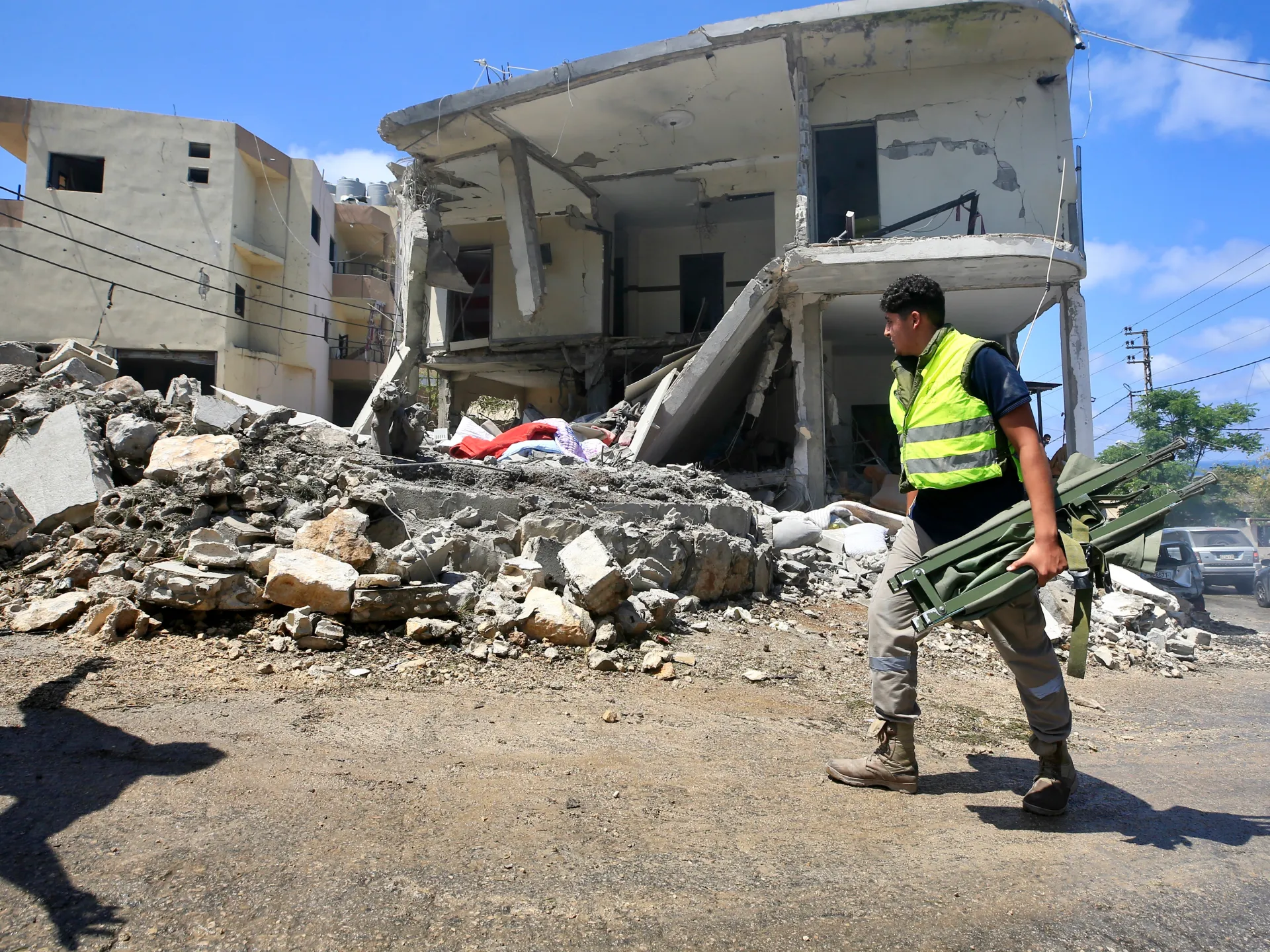
Israeli strikes across southern Lebanon have killed at least 10 people, including high-ranking military officers, in an incident that has drawn sharp condemnation from Lebanese political leaders and occurred shortly after a conditional truce was announced in Washington. The Lebanese army confirmed that a brigadier general, a captain, and a soldier were killed in an Israeli strike on a military vehicle travelling on the Khardali-Nabatieh road.
The Israeli army stated the attack occurred in an “active combat zone” and noted that movement in such areas requires coordination with its forces, adding that the incident remains under investigation. Following the attack on its soldiers, the Lebanese army said that the continuation of deliberate and repeated brutal Israeli aggression is aimed at thwarting all efforts to reach a solution.
Lebanese President Joseph Aoun condemned the attack as a “flagrant violation of Lebanese sovereignty and of international laws and norms”. Prime Minister Nawaf Salam described the incident as a “heinous crime” and extended condolences to the families of Brigadier General Wassam Sabra, Captain Elie Khoury, and soldier Hussein Ghozal.
Separately, an Israeli air strike in the southern village of Saksakiyah (Sidon district) killed six people and wounded four, while a drone strike in Deir al-Zahrani (Nabatieh district) killed one person. Israel also renewed forced displacement orders for residents of the southern Lebanese villages of Armati, Mashgara, Kafr Huna, Sajad, and Ansariya, directing them to move north of the Zahrani River.
Hezbollah labelled the attack a “heinous crime” and accused the Lebanese government of exposing the country to bloodshed through its “complete surrender to the enemy’s demands in Washington”. The armed group also claimed its fighters struck a Merkava tank at the newly established Blat outpost in the Bint Jbeil area using an Ababil swooping drone, asserting a confirmed hit.
Iranian Foreign Minister Abbas Araghchi rejected comments by President Aoun suggesting Beirut was a bargaining chip for Tehran, stating, “Had Lebanon been a bargaining chip for Iran, we’d have a deal long ago.” He urged the President to save Lebanon from its real foe, highlighting the deepening diplomatic friction surrounding the conflict.
A further conditional truce was announced by Lebanese and Israeli envoys this week in Washington, though Hezbollah leader Naim Qassem rejected the deal as it did not include Hezbollah or provide for Israel’s withdrawal from southern Lebanon. Since the latest outbreak of conflict began on March 2, at least 3,558 people have been killed and 10,870 others injured in Israeli attacks across Lebanon, according to the latest figures from Lebanon’s Health Ministry.