Israeli strikes in southern Lebanon kill 11, marking largest escalation since June pact
The incident, described as the most severe breach of the June ceasefire framework to date, has reignited fears for healthcare infrastructure and civilian safety in the region.
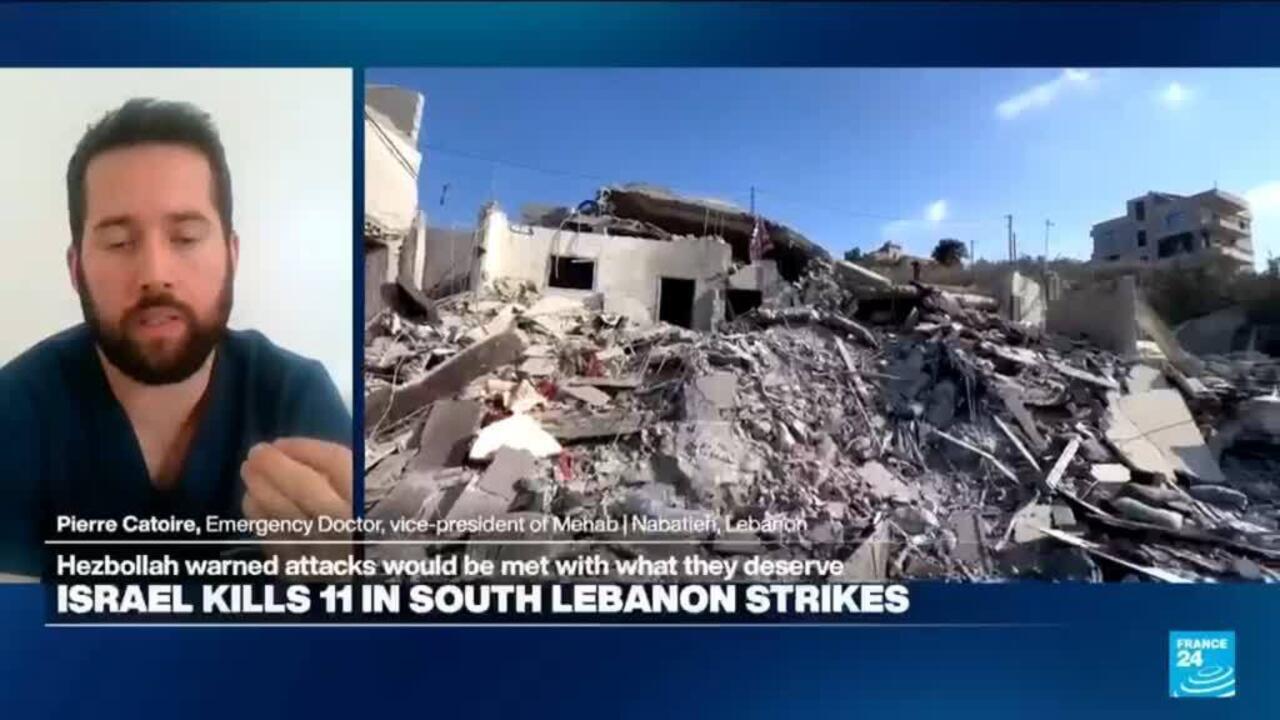
Israeli airstrikes in southern Lebanon have killed at least 11 people, a development that local authorities have characterised as the largest escalation since the June agreement. The strikes have intensified concerns regarding the stability of the ceasefire framework and the safety of civilian populations in the affected areas.
Pierre Catoire, an emergency doctor operating in the region, provided a detailed account of the humanitarian toll to FRANCE 24. He reported a rapidly deteriorating situation, noting that some medical staff have lost their homes in the recent strikes. Healthcare workers are now expressing heightened anxiety that hospitals and medical facilities may also be targeted, further complicating efforts to manage the crisis.
The injuries sustained by those affected include blast and compression wounds. According to Dr Catoire, medical teams are also grappling with concerns regarding potential infections and the long-term psychological impact on civilians exposed to the violence. The strain on local medical resources is evident as staff attempt to treat acute injuries while managing the broader humanitarian fallout.
The incident marks a significant departure from the stability sought under the June ceasefire framework, which was mediated by the United States. That agreement called for the disarmament of Hezbollah, a gradual Israeli withdrawal, and the deployment of the Lebanese army to the south. The current violence suggests a fragility in the implementation of these terms.
Lebanese officials have condemned the civilian casualties resulting from the latest strikes. The escalation has reignited tensions in the region, with the humanitarian crisis deepening as medical infrastructure faces potential threats and civilian casualties mount.