Israeli settlers hail EU sanctions as 'badge of honour' amid West Bank violence
Analysts warn that Western sanctions against settler leaders are unlikely to curb violence, potentially bolstering domestic prestige for figures accused of enabling attacks in the occupied territories.
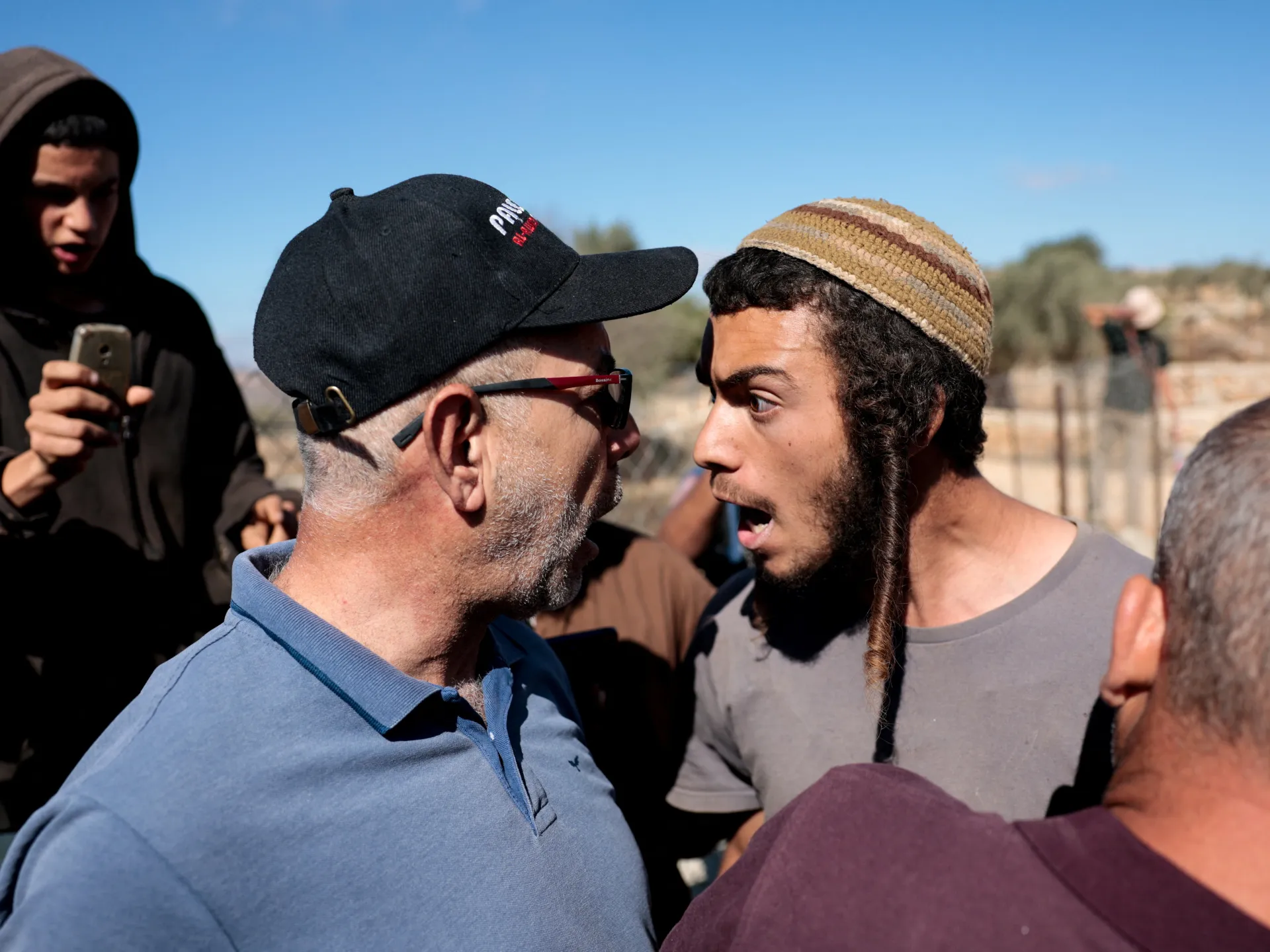
Israeli settler groups and their leaders have characterised recent European Union sanctions as a “badge of honour,” dismissing the measures as ridiculous and banal. The EU sanctioned four entities and three individuals associated with the settler movement, including Regavim director Meir Deutsch and Daniella Weiss of the Nachala movement. The Amana cooperative association, which provides logistical and financial support to settlements in the occupied West Bank, was also targeted.
Finance Minister Bezalel Smotrich, a prominent figure in the settler movement, was separately sanctioned by the United Kingdom, Canada, and several other nations for his alleged role in supporting or enabling violence in the West Bank. Smotrich, who helped found Regavim, and other government ministers such as Itamar Ben-Gvir are viewed by activists as part of a “closed loop” of state complicity that enables settler attacks with impunity.
Activists and analysts argue that the sanctions are ineffective and may instead enhance the domestic prestige of the targeted figures. As most of these hardline leaders are unlikely to travel to Western jurisdictions, the penalties are seen as having little practical impact on their operations. Instead, the measures are interpreted as reinforcing their status within their domestic political base.
Since October 2023, Israeli forces and settlers have been accused of killing an estimated 1,168 Palestinians and injuring 12,666 in the occupied West Bank. The violence has resulted in the displacement of 33,000 people and the detention of nearly 23,000 Palestinians. Reports describe a coordinated campaign of attacks, including the torching of homes and olive groves, with tacit support from the Israeli government.
The sense of impunity is illustrated by cases such as that of settler Yinon Levi, who allegedly shot dead Palestinian activist Awdah Hathaleen in Masafer Yatta. Despite video evidence of the incident, Levi remains at large, reflecting a broader pattern where perpetrators are rarely prosecuted or, if convicted, receive sentences that activists argue do not reflect the severity of the crimes.
In a move described as contravening the Oslo Accords, Israel announced plans last year for the E1 settlement, which would link occupied East Jerusalem with the Maale Adumim bloc. This expansion is viewed by observers as an effort to undermine the possibility of a Palestinian state. Sociologists and human rights advocates describe the situation as a systemic issue where state ideology and settler violence are mutually reinforcing, creating an environment where attacks on the Palestinian population are seen as inevitable.