Israeli government factions demand escalated Lebanon offensive as forces seize Beaufort Castle
Extreme right-wing elements within the Netanyahu administration have called for intensified operations, coinciding with the deepest Israeli advance into southern Lebanon since 2000.
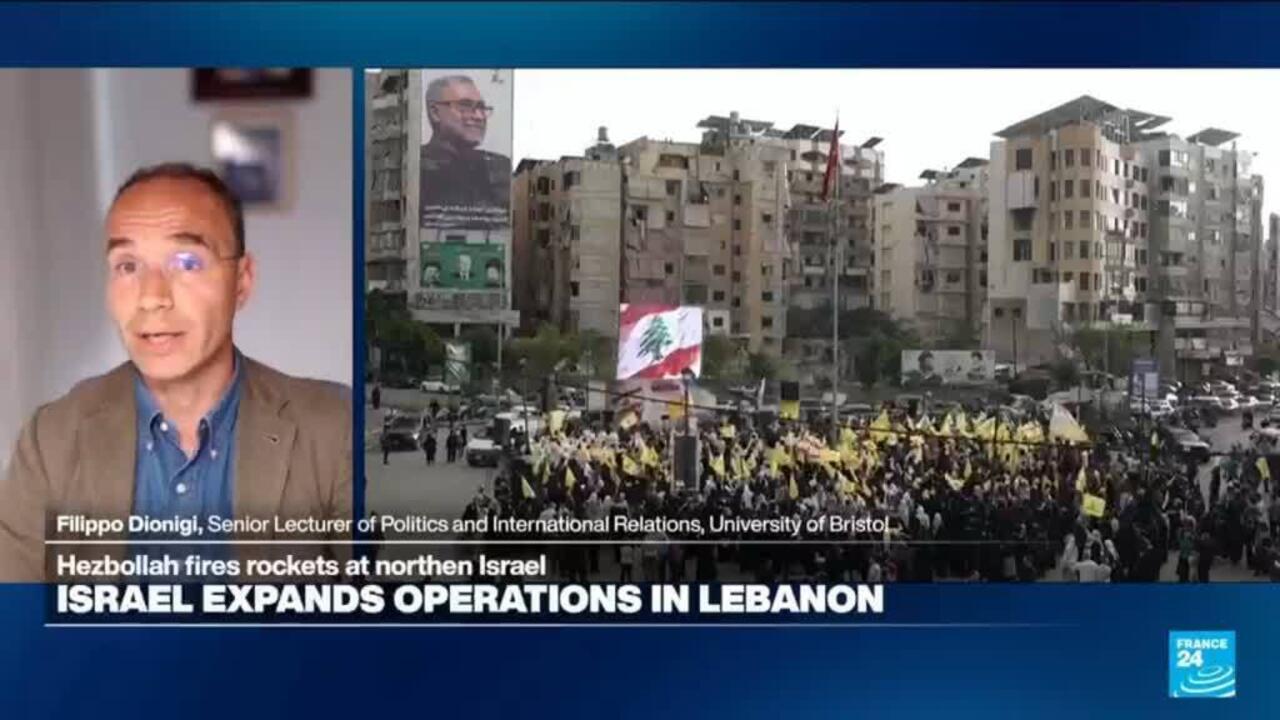
Extreme right-wing factions within the Israeli government have called for significantly greater military operations in Lebanon, marking a hardening of stance as Israeli forces push deeper into southern territory than at any point since the end of their occupation in 2000. The development coincides with the seizure of Beaufort Castle, a move that analysts describe as carrying powerful symbolic resonance within the history of the conflict.
While the current military campaign is directed primarily at Hezbollah, reports indicate that Israel is leveraging widespread civilian suffering and the forced displacement of more than one million Lebanese people as a strategic tool to exert pressure. Dr Filippo Dionigi, Senior Lecturer of International Relations specialising in Middle Eastern politics at the University of Bristol, provided analysis on these dynamics via France 24, highlighting the intersection of tactical gains and humanitarian consequences.
The advance into southern Lebanon represents a significant shift in operational depth for Israeli troops. The capture of Beaufort Castle, a site of historical significance, underscores the aggressive posture adopted by the military. This territorial gain occurs alongside political pressure from the most extreme right-wing fringes of the Netanyahu government, which are advocating for a far greater scale of military action than previously authorised.
The humanitarian impact of the campaign has been severe, with over one million Lebanese people forcibly displaced from their homes. According to commentary cited by France 24, this displacement is being utilised as a weapon of war. Dr Dionigi’s analysis suggests that the Israeli government is seeking to exert maximum pressure through the resulting civilian suffering, framing the displacement not merely as a collateral outcome but as an active component of the strategy.
The convergence of political demands for escalation and the physical advance into key symbolic locations signals a potential intensification of the conflict. As Israeli forces consolidate their position in the south, the international community and regional observers are closely monitoring whether the calls from the government’s extreme right-wing elements will translate into broader military directives or remain confined to political rhetoric.