Israeli forces seize Beaufort Castle, crossing Litani River in Lebanon offensive
The Israeli army has taken control of the strategic Beaufort Castle in Southern Lebanon, breaching the Litani River boundary and designating the area north to the Zaharani River as a conflict zone.
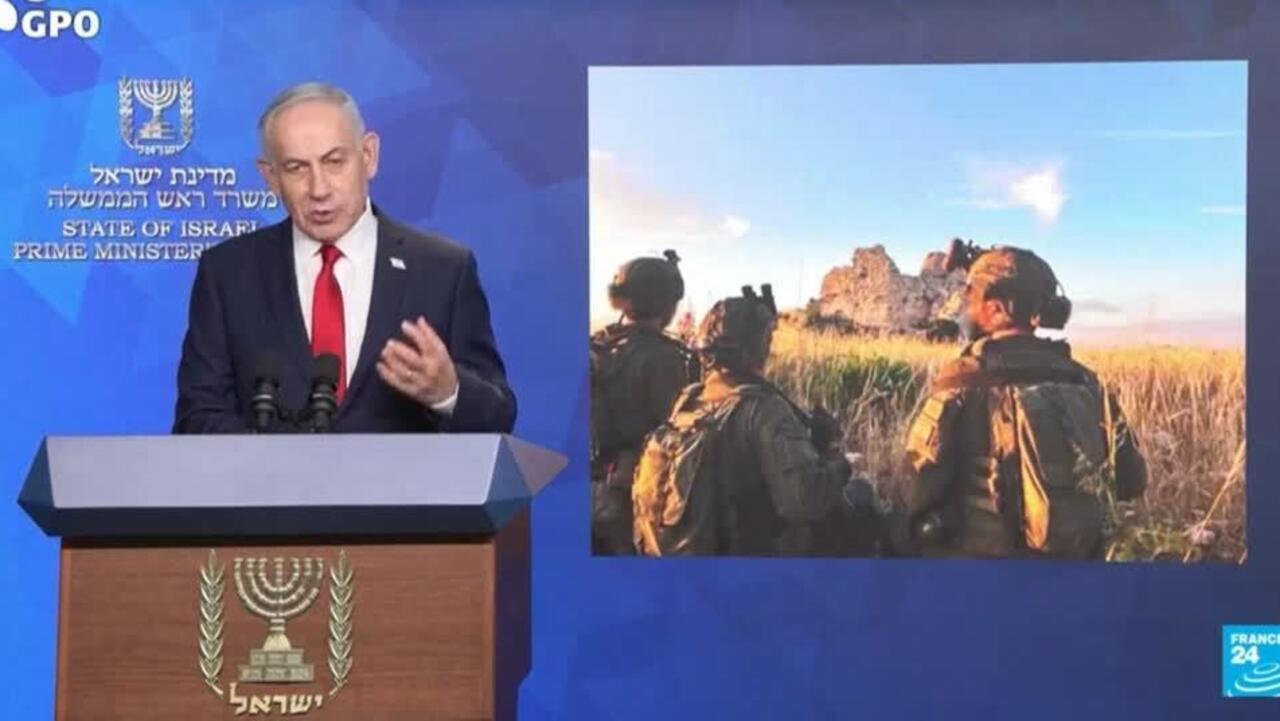
The Israeli army has taken control of Beaufort Castle in Southern Lebanon, marking a significant military advance that sees Israeli forces cross the Litani River. This waterway had previously served as a de facto boundary for the Israeli offensive, and its breach represents a substantial escalation in the campaign’s geographic scope.
Israeli Prime Minister Benjamin Netanyahu described the operation as a "dramatic shift" in the offensive in Lebanon. The characterisation underscores the strategic importance of the capture, which allows Israeli troops to move beyond the limits of previous operations and into territory previously considered a buffer zone.
Following the seizure of the castle, the Israeli army declared all land between the Litani River and the Zaharani River a conflict zone. This administrative designation expands the area where military operations are permitted, effectively widening the theatre of war northwards from the Litani.
Beaufort Castle is a historic fortress in Southern Lebanon that has long been cited as a strategic stronghold. Its capture provides Israeli forces with a tangible foothold in the region, although the source material does not specify the tactical objectives for holding the site or the duration of control.
The broader context of this operation involves an ongoing Israeli offensive in Lebanon, with previous activities largely confined to areas south of the Litani. The declaration of the zone between the Litani and Zaharani Rivers as a conflict zone signals a new operational parameter in the campaign.
Uncertainty remains regarding the extent of Lebanese military or Hezbollah presence in the newly declared conflict zone. The source material does not provide casualty figures for either side, nor does it detail the level of resistance encountered during the capture of the castle.
The capture of Beaufort Castle and the subsequent crossing of the Litani River represent the first reported instances of Israeli forces seizing this specific strategic location and breaching the previous boundary line. The Israeli army’s actions have effectively redrawn the operational map of the conflict in Southern Lebanon.