Israeli forces cross Litani River in deepest incursion into Lebanon since 2006
The Israeli Defence Forces’ breach of the 2006 operational boundary marks a significant escalation, undermining US-mediated ceasefire talks and shifting objectives toward dismantling Hezbollah’s infrastructure.
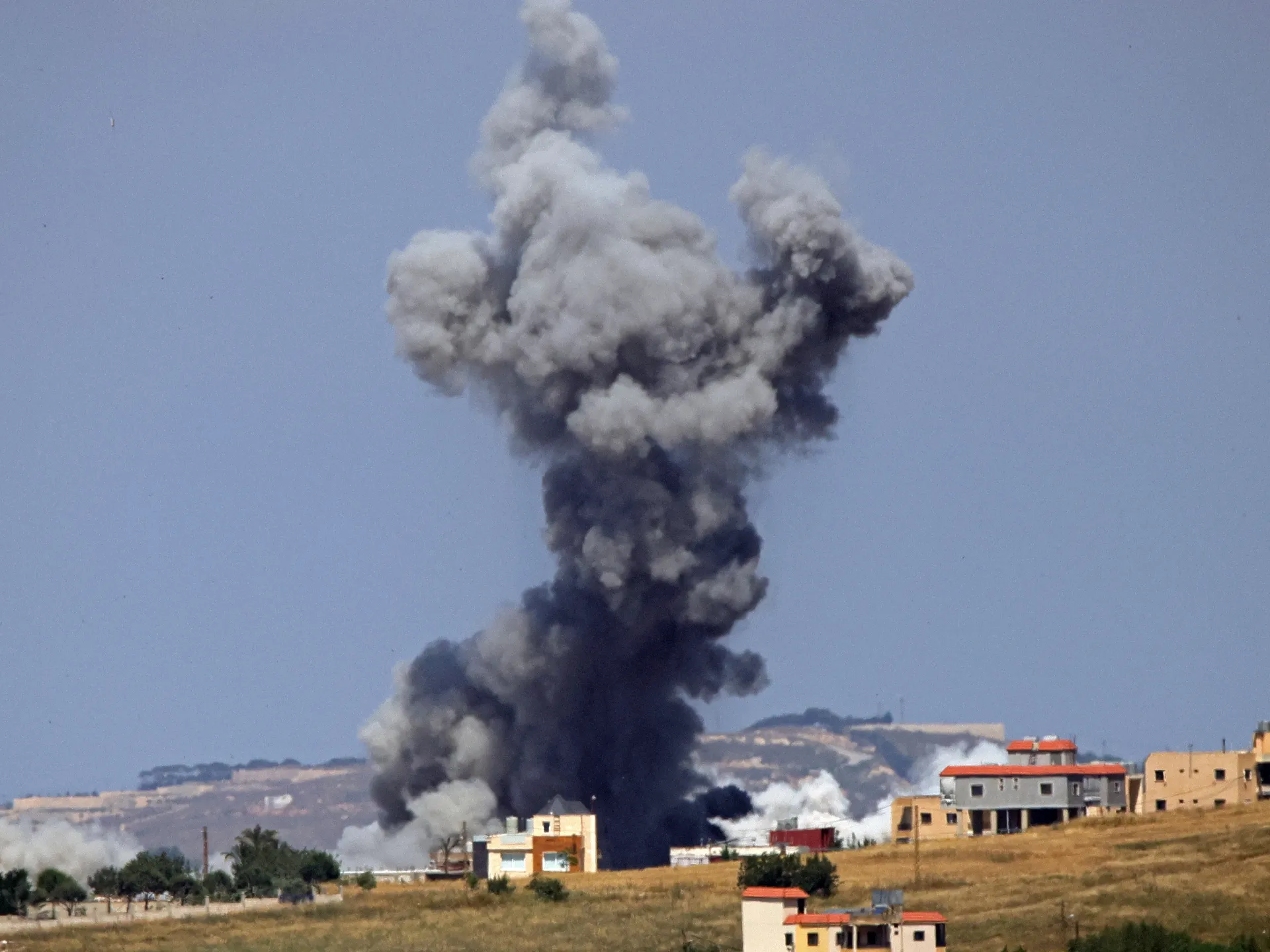
Israeli military forces have executed their deepest incursion into southern Lebanon in over 25 years, crossing the Litani River to capture the strategic Beaufort Castle and reach the outskirts of Nabatieh. The operation, confirmed by the Israel Defence Forces on 31 May, has resulted in the occupation of approximately 2,000 square kilometres of Lebanese territory, representing nearly one-fifth of the country. This advance significantly exceeds the operational limits established during the 2006 conflict and contradicts the ceasefire agreement that has been in place since April.
The seizure of Beaufort Castle, a 12th-century Crusader-era fortress overlooking the Litani River valley, was confirmed by Israeli Defence Minister Israel Katz, who stated that forces from the Golani Brigade had breached the site. The fortress, which served as a key military base during Israel’s occupation of southern Lebanon until 2000, provides commanding views over routes linking the south to the Bekaa Valley. Israeli military spokesperson Ella Waweya described the operation as an effort to destroy terrorist infrastructure and eliminate saboteurs while strengthening Israeli control in the region.
Evacuation orders issued by the Israeli military now extend as far north as the Zahrani River, approximately 10 kilometres beyond the Litani line. This expansion of the exclusion zone coincides with Israeli troops reaching the towns of Zawtar al-Sharqiyah and Choukine on the outskirts of Nabatieh, a major stronghold for Hezbollah. The Lebanese National News Agency reported that Israeli strikes on Deir ez-Zahrani at dawn on Sunday killed several people, while blanket evacuation orders had previously been issued for Nabatieh and the coastal city of Tyre.
Analysts suggest the military shift indicates a move toward long-term control and the dismantling of Hezbollah’s territorial and communal infrastructure. Imad Salamey, a professor at the Lebanese American University, noted that controlling Nabatieh would provide Israel with greater operational depth and weaken the group’s social base. Souhayb Jawhar, a Lebanese analyst, argued that the advance transforms the conflict from a border dispute into a struggle for the political heart of southern Lebanon, potentially redrawing the balance of control in the region.
The escalation has drawn sharp reactions from regional actors and complicates diplomatic efforts. Iranian officials have warned that an Israeli withdrawal from southern Lebanon is a prerequisite for progress in negotiations between Washington and Tehran regarding the US-Israel war on Iran. Meanwhile, Israeli Finance Minister Bezalel Smotrich praised the capture of Beaufort Castle and advocated for a permanent territorial conception, stating that Israel must change the equation by inflicting disproportionate damage. The continued advance undermines US-mediated ceasefire talks and risks further weakening the Lebanese government’s authority.