Israeli forces cross Litani River and seize Beaufort Castle in deepest incursion since 2006
The Israel Defence Forces confirmed the seizure of Beaufort Castle on 31 May 2026, triggering a fresh wave of evacuation orders and drawing sharp condemnation from Lebanese leadership amid stalled diplomatic efforts.
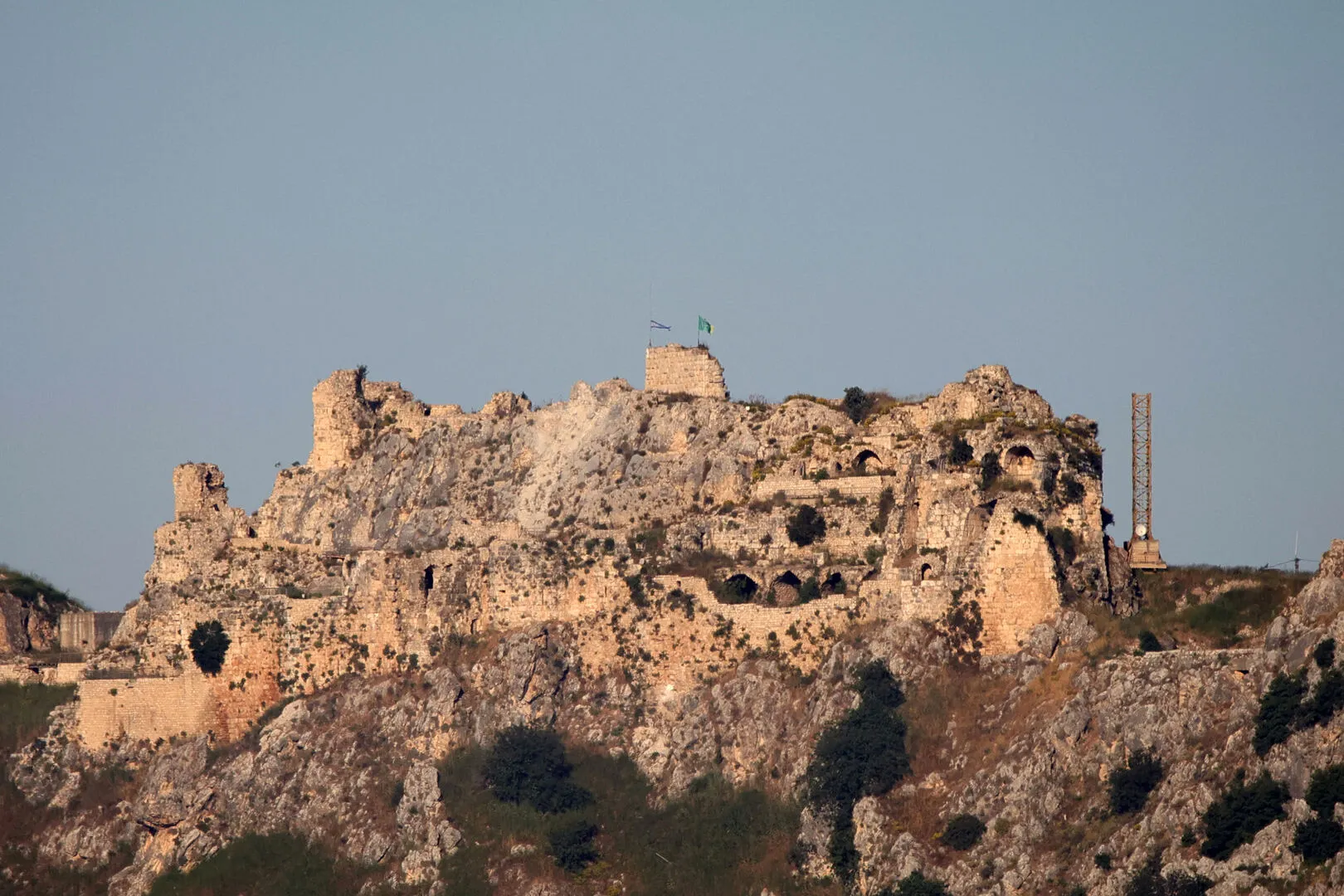
The Israel Defence Forces have confirmed a significant military escalation in southern Lebanon, executing a crossing of the Litani River for the first time since 2006. The advance, which includes the seizure of Beaufort Castle, a strategic 12th-century hilltop fortress near Nabatieh, represents the deepest incursion into Lebanese territory in over 25 years. The operation was confirmed by the Israeli military on 31 May 2026, marking a substantial shift in the operational boundaries of the ongoing conflict.
The military movement coincides with a severe intensification of displacement measures. In the 24 hours preceding the announcement, Israeli authorities issued more than 10 displacement orders targeting residents living south of the Zahrani River. Avichay Adraee, the Israeli military’s Arabic spokesperson, utilised social media platform X to urge immediate evacuation north of the river, explicitly warning that civilians who remained in the area risked being killed.
Lebanese Prime Minister Nawaf Salam has strongly condemned the military actions, characterising them as a scorched-earth policy and a form of collective punishment. The Prime Minister’s assessment highlights the deepening political rift and the humanitarian consequences of the advance, which has exacerbated an already critical situation for civilians in the border regions.
Diplomatic efforts to stabilise the region appear to have faltered in the immediate lead-up to the incursion. Israeli and Lebanese officials met at the Pentagon in Washington DC on Friday, 30 May 2026, to discuss the implementation of a nominal ceasefire that began in mid-April. The meeting underscores the disconnect between diplomatic negotiations and the military realities on the ground, with the crossing of the Litani River effectively nullifying the stability the ceasefire was intended to provide.
The seizure of Beaufort Castle, located near Nabatieh, holds strategic significance given the river’s historical role as a boundary line in previous conflicts between Israel and Lebanon. While the full extent of the humanitarian impact and the long-term strategic implications of this incursion remain unclear, the event marks a definitive break from the status quo established in 2006 and raises serious questions regarding the viability of the current ceasefire framework.