Israel strikes Gaza City, killing Hamas commander Izz al-Din al-Haddad
The dual-strike in Remal neighbourhood results in eight deaths and 50 injuries, raising questions about the stability of the October 2025 truce and the resilience of Hamas’s decentralised command structure.
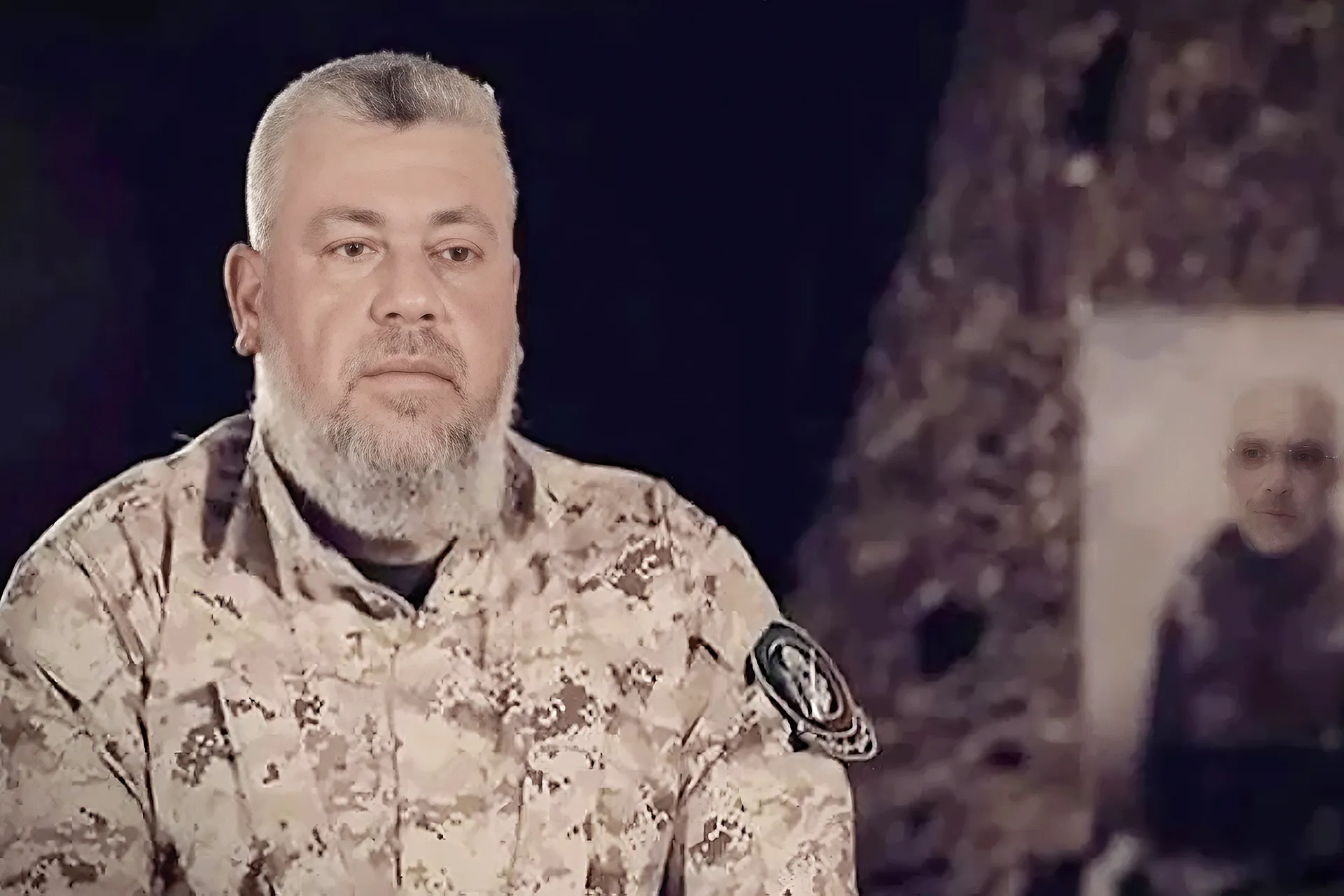
Israeli Prime Minister Benjamin Netanyahu and Defence Minister Israel Katz have issued a joint statement confirming that a dual-strike in Gaza City’s Remal neighbourhood resulted in the death of Izz al-Din al-Haddad, the head of Hamas’s Qassam Brigades. The operation, described by officials as carried out under their direct orders, involved munitions delivered into a densely populated residential apartment and a vehicle attempting to flee the scene. The attack killed seven other Palestinians, including women and children, and wounded 50 people.
Al-Haddad, a primary architect of the October 7, 2023 attacks, had overseen the breach of the eastern fence and directed elite units during the initial assault. He rose from an infantry soldier to command the Gaza City Brigade and was known for his role in establishing Hamas’s internal security apparatus. Despite surviving multiple assassination attempts and the killing of his son Suhaib in January 2025, al-Haddad utilised the ceasefire period since October 2025 to reconstruct the group’s infrastructure, including tunnels, weaponry, and combat formations.
Analysts suggest the immediate operational impact on Hamas will be limited due to the Qassam Brigades’ decentralised structure. Palestinian political analyst Saeed Ziad noted that the group operates as a parallel, self-sufficient guerrilla force with rapid succession protocols. “If a brigade or battalion loses its commander, the group already knows its mission and has the resources to execute it independently,” Ziad said, adding that reorganising central command would likely take days rather than months.
Mohannad Mustafa, an analyst of Israeli affairs, argued that the strike aims to normalise violations of the ceasefire agreement and provoke Hamas into retaliating. He suggested the ultimate goal is to collapse the truce, allowing Israel to launch a new military operation dubbed “Gideon 2” to occupy the entirety of the Gaza Strip. Mustafa stated that Prime Minister Netanyahu is presenting the killing to the US administration as a necessary step to disarm Hamas, despite the ceasefire being imposed on Israel.
Hamas spokesperson Hazem Qassem confirmed al-Haddad’s death, mourning him as the “General Commander” and stating that the group’s resistance continues. Since the ceasefire was announced on 10 October 2025, at least 871 Palestinians have been killed, most of them civilians. Analysts warn that such killings often harden resolve within Gaza, viewing retreat after the loss of leaders as a betrayal of a “blood covenant.”