Israel seizes Beaufort Castle in Lebanon as ground offensive deepens
Lebanese Prime Minister Nawaf Salam condemns 'collective punishment' while France calls for urgent UN Security Council meeting amid escalating hostilities.
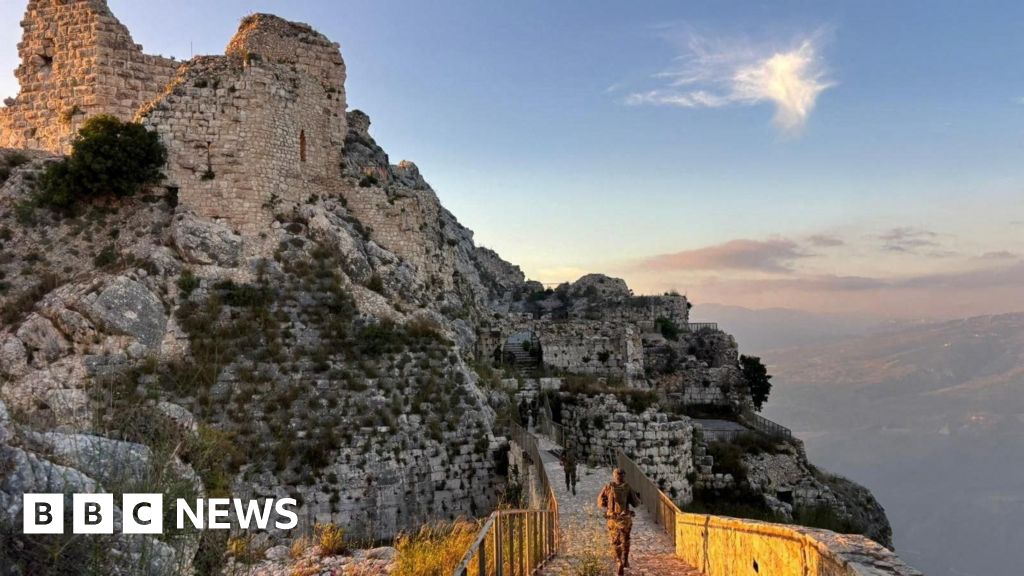
The Israel Defence Forces have captured Beaufort Castle in southern Lebanon, a strategic 12th-century fortress that Israel occupied from 1982 until its withdrawal in 2000. The operation marks a significant escalation, as Israeli troops have crossed the Litani River, a line that had previously served as a de facto boundary for the offensive. Prime Minister Benjamin Netanyahu described the capture as a "decisive shift" in the campaign against Hezbollah, while the IDF has expanded evacuation zones to include areas below the Zahrani River. Lebanon’s Prime Minister Nawaf Salam has condemned the move as collective punishment, and France has requested an emergency United Nations Security Council meeting. A fourth round of ceasefire negotiations between Israeli and Lebanese government delegations is scheduled for Washington this week, though Hezbollah is not participating.
Defence Minister Israel Katz confirmed that forces from the Golani Brigade had breached the site, raising the Israeli flag above the fortress. Katz recalled the battle 44 years ago against the Palestine Liberation Organisation, noting that the same brigade had taken the castle during the First Lebanon War. He stated that control of the castle and the ridge it stands upon was an important step in protecting Israeli communities on the other side of the border, describing the operation as a highly symbolic as well as strategic victory.
In a statement following the capture, Netanyahu declared that Israel had "broken the barrier of fear" and was "taking the initiative" on all fronts, including in Syria, Gaza, and Lebanon. He added that his aim was to "deepen and expand our grip on the places that were under Hezbollah's control". The Israeli military confirmed that a "significant number of IDF ground soldiers" were involved in the operation, which is "currently expanding to additional areas". This deployment indicates that Israeli ground forces are moving ever deeper into Lebanese territory beyond their original demarcation line of the Litani River.
The Israel Defence Forces have issued a second evacuation warning in recent days, instructing residents to leave the entire south of Lebanon below the Zahrani River. An IDF spokesman warned that anyone present near Hezbollah elements, facilities, or means of combat endangers their life. The expansion of the evacuation zone coincides with intensified Israeli airstrikes, including one near Hiram hospital in Tyre that injured 13 hospital staff and caused significant damage. On the Israeli side, schools in communities near the border were closed on Sunday as a precaution following Hezbollah fire.
Lebanon’s Prime Minister Nawaf Salam accused Israel of a "scorched-earth policy" and "collective punishment" in a televised address. France has requested an emergency meeting of the United Nations Security Council to discuss the escalation, with Foreign Minister Jean-Noël Barrot calling the operations a "major mistake for Israel". Barrot stated that nothing can justify the prolongation of Israel's military operations in Lebanon and its increasingly deep occupation of Lebanese territory.
Mutual accusations of ceasefire violations persist between Israel and Lebanon. Israeli officials have said Hezbollah's attacks are violating the temporary ceasefire deal between the Israeli and Lebanese governments, which has been extended twice since it came into force last month. Lebanese officials have pointed to the Israeli strikes themselves as violations. Despite the mutual accusations meaning the ceasefire is essentially in tatters, a fourth round of negotiations between delegations from the two governments is due to be held in Washington this week. Salam has said this is Lebanon's only route away from the conflict, but Hezbollah is not involved.
Since Lebanon was drawn into the conflict on 2 March, Lebanese authorities say more than 3,300 people have been killed, while there have been 25 Israeli military deaths. The Lebanese government and army remain bystanders in the confrontation between Israel and Hezbollah, which began after Hezbollah launched rockets into Israel in retaliation for an Israeli strike that killed Iran's Supreme Leader Ali Khamenei.