Israel opens bids for 1,200 new housing units in West Bank's E1 area
The Netanyahu government has fast-tracked settlement expansion in the occupied West Bank, drawing warnings of sanctions from Western nations as elections approach.
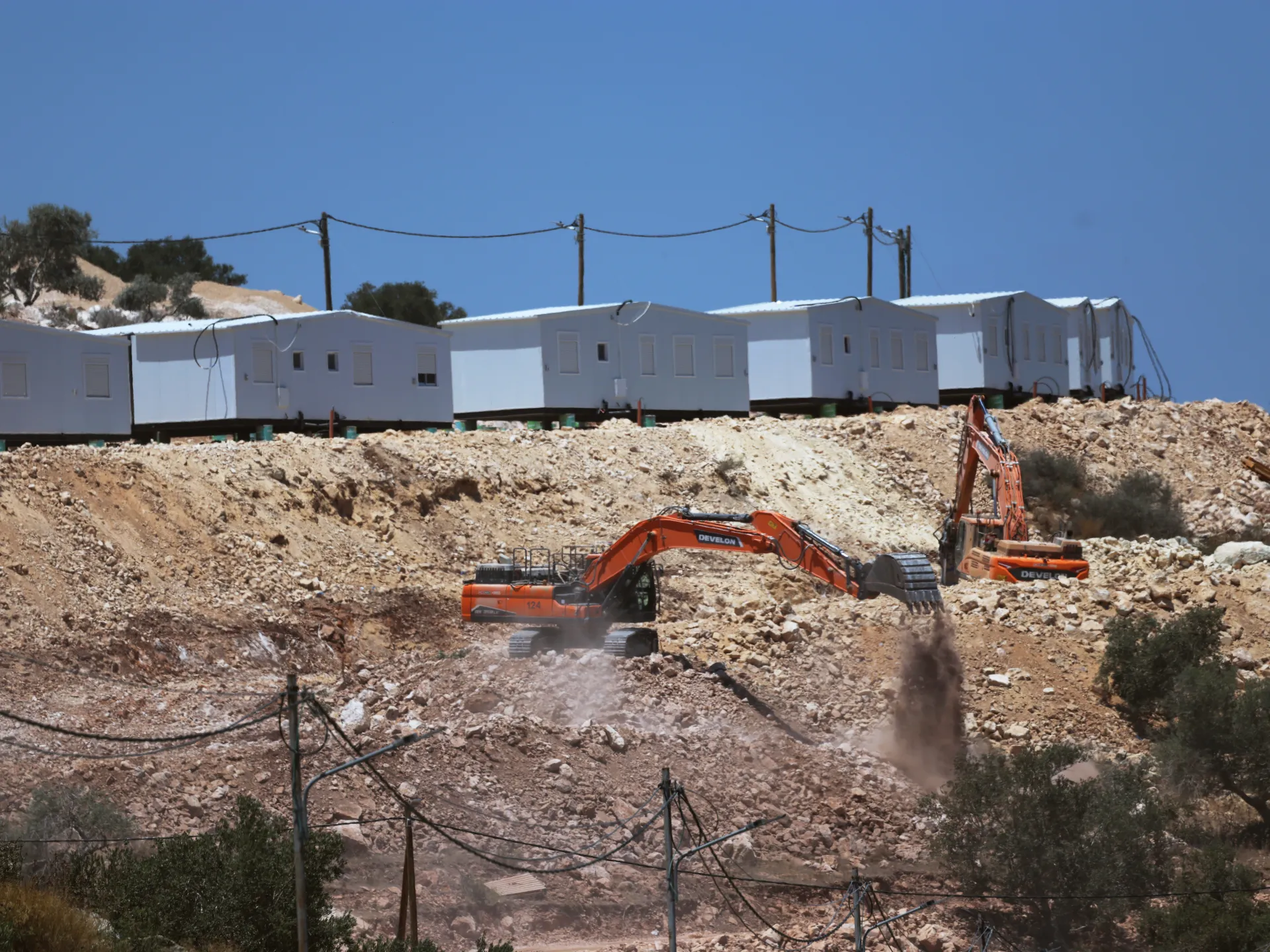
The Israeli government has opened construction bids for 1,200 new housing units in the occupied West Bank, specifically targeting the E1 settlement area. The move has been characterised as a fast-tracked expansion by the right-wing administration of Prime Minister Benjamin Netanyahu, occurring with just months remaining until the upcoming elections.
Under international law, Israeli settlements in the occupied West Bank are considered illegal, a status that has persisted as expansion in the region has continued for decades. The current policy is widely viewed as an effort to tighten Israel’s hold on the territory and to block the creation of a contiguous Palestinian state.
The decision has attracted significant international criticism, with the government proceeding despite objections regarding the planned E1 settlement. Some Western countries have threatened to impose sanctions if Israel goes ahead with the construction, although the specific identities of these nations have not been named in available reporting.
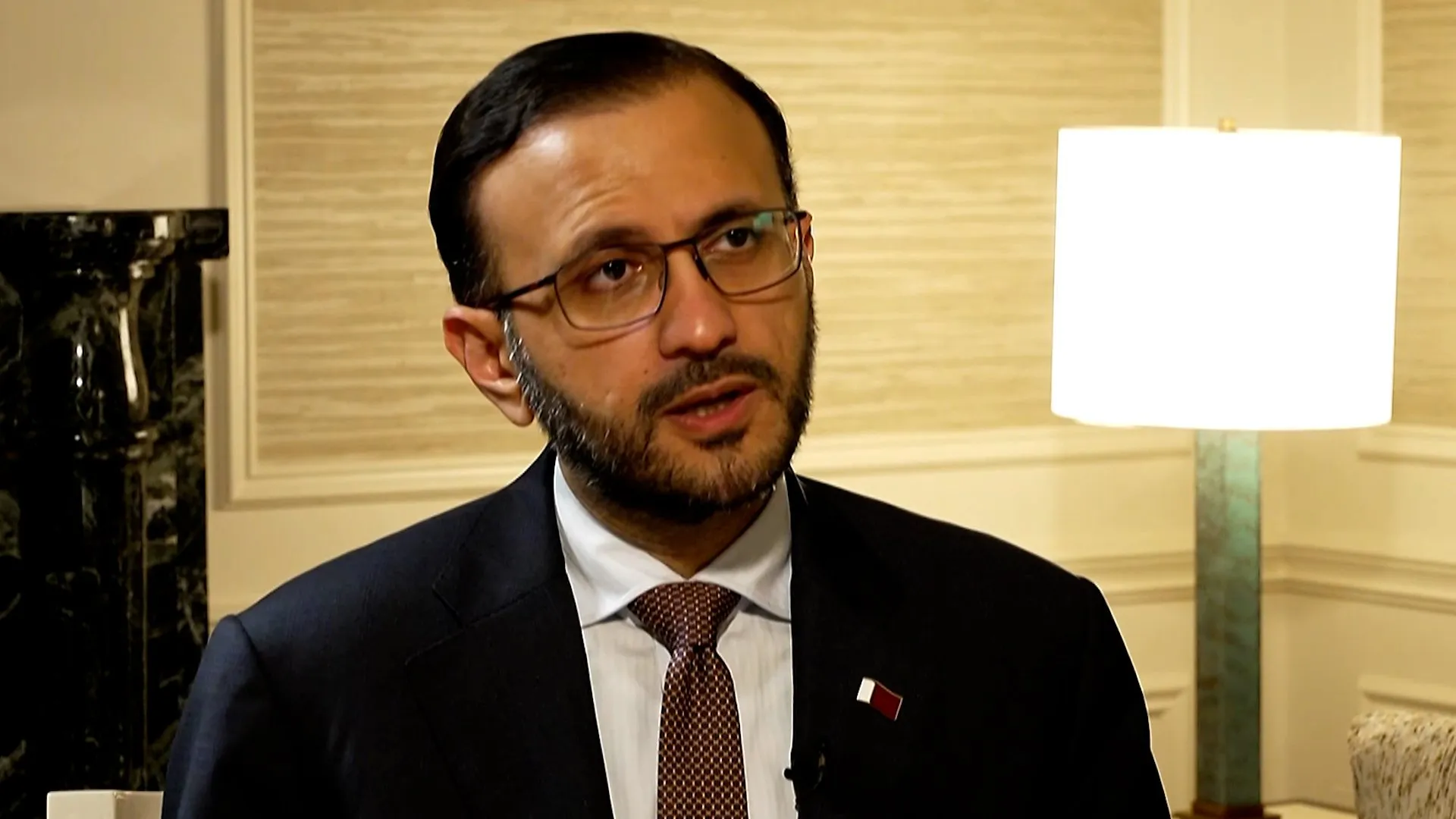
Diplomatic perspectives on the issue have been divided, with Ammar Hijazi, Ambassador and head of the Palestinian Mission to the Netherlands, and Alon Pinkas, a former Israeli ambassador and consul general in New York, weighing in on the implications of the new bids.
The uncertainty surrounding the effectiveness of the threatened sanctions remains a key question in the ongoing dispute. While the legal status of the settlements under international law is clear, the political consensus among Western powers appears fragmented.
As the construction process moves forward, the E1 area remains a focal point for both domestic political strategy and international diplomatic pressure. The outcome of the upcoming elections may further influence the trajectory of settlement policy in the region.