Israel maintains partial truce with Hezbollah amid fresh strikes and diplomatic friction
A fragile ceasefire arrangement sees Israel refrain from bombing the Lebanese capital while continuing operations in the south, drawing criticism from Israeli politicians and warnings from Iran.
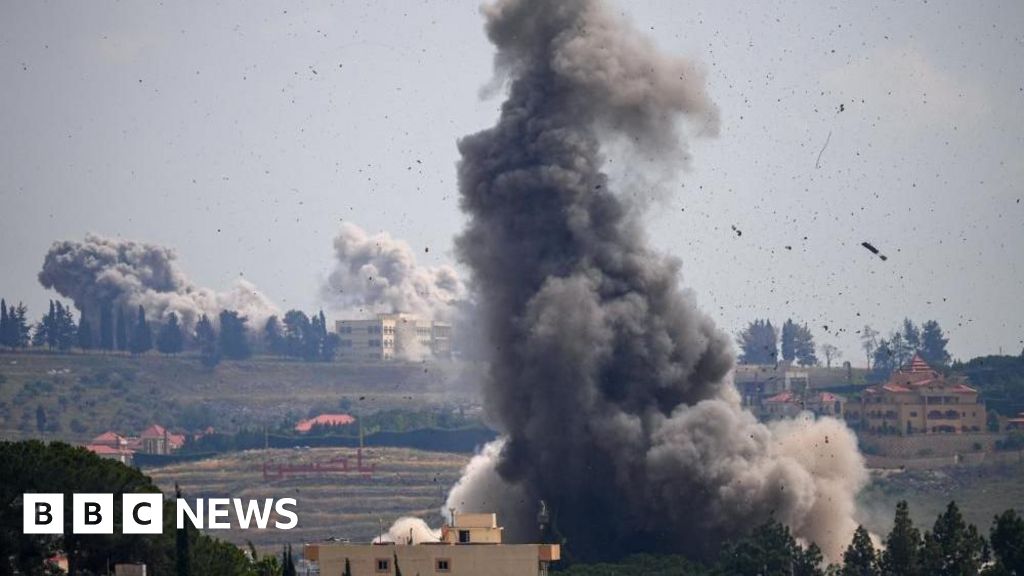
Israel continued military operations in southern Lebanon on Tuesday, including strikes near a hospital in Tyre that killed four people and injured 127, while adhering to a partial truce that prevents attacks on Beirut. The agreement, announced by US President Donald Trump, stipulates that Israel will refrain from bombing the capital in exchange for Hezbollah halting attacks on Israel. Despite the arrangement, both sides reported violations, with the Israeli military intercepting projectiles and Hezbollah claiming strikes on Israeli forces.
The conflict, which commenced on 2 March, has resulted in at least 3,468 deaths in Lebanon and displaced over one million people. On Tuesday, the Lebanese health ministry reported that 39 hospital staff were among the injured in the Tyre strike, which hit buildings adjacent to Jabal Amel hospital. The Israeli military stated it targeted Hezbollah infrastructure and acknowledged damage to the hospital but denied it was the intended target, accusing the group of embedding itself within civilian areas.
Tensions escalated further when US officials reported that President Trump had an expletive-laden call with Israeli Prime Minister Benjamin Netanyahu, instructing him not to proceed with plans to strike Beirut. This intervention followed Netanyahu’s announcement of ordered strikes on Beirut’s southern suburbs in response to alleged ceasefire violations. Axios cited two US officials stating Trump lashed out at the prime minister, concerned that Israeli escalation threatened broader negotiations regarding a deal to end the war with Iran.
Iranian officials issued stark warnings regarding the stability of the truce. Foreign Minister Abbas Araghchi stated that violating the ceasefire on one front constitutes a breach of the ceasefire on all fronts, including the US-Iran truce. Iran’s hard-line Tasnim news agency reported that Tehran could suspend indirect negotiations with the US over Israeli military actions in Lebanon, adding diplomatic pressure to the fragile arrangement.
Domestic political friction within Israel also surfaced, with National Security Minister Itamar Ben Gvir and opposition leader Yair Lapid criticising Netanyahu for accepting Trump’s demand. Ben Gvir urged the prime minister to tell the US “no,” while Lapid described Israel as a “client state.” Diplomatic negotiations between Israeli and Lebanese diplomats are scheduled for Tuesday and Wednesday in Washington, aiming to expand the ceasefire framework to encompass all Lebanese territory.