Israel issues forced displacement order for Nabatieh as military campaign intensifies
Analysts describe the targeting of Lebanon’s southern city as a strategy to cripple Hezbollah’s support base, while the Lebanese government prepares for direct negotiations with Israel next week.
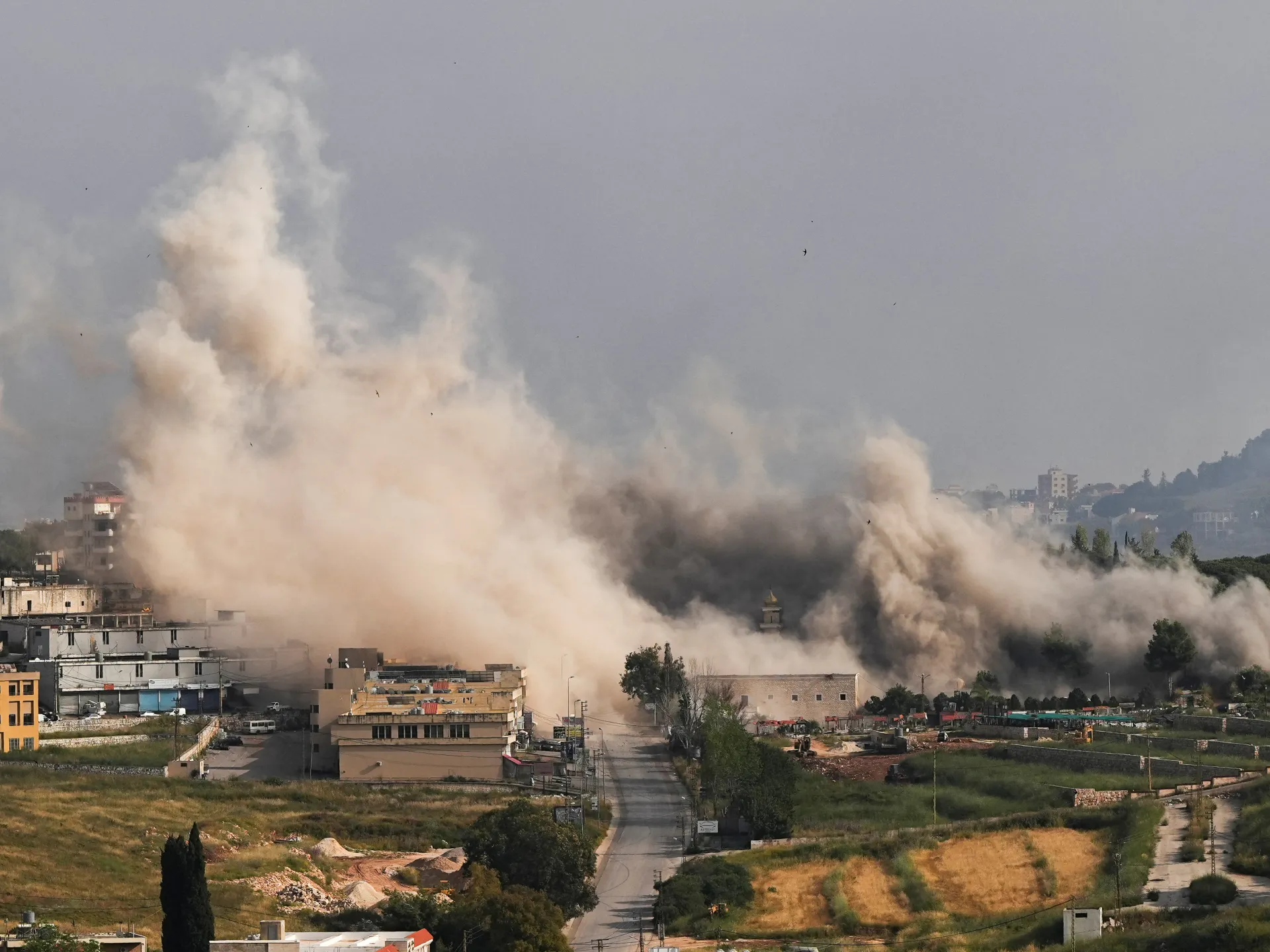
The Israeli military issued a forced displacement order for the Lebanese city of Nabatieh on Tuesday, 27 May 2026, marking a significant escalation in its campaign against Hezbollah targets. The order follows a period of near-continuous artillery shelling and air strikes on the city and surrounding villages, including direct strikes on a cemetery within the city limits and the village of Yohmor al-Shaqif. Hezbollah responded by announcing artillery and drone strikes against advancing Israeli forces near the town of Zawtar al-Sharqiya in the Nabatieh district.
The military action aligns with a broader strategic shift announced by Israeli Prime Minister Benjamin Netanyahu on Monday, who stated via Telegram that operations had expanded beyond the “Yellow Line” and vowed to intensify strikes to “crush” Hezbollah. Analysts suggest the focus on Nabatieh is designed to cripple the Shia community’s economic and symbolic heart to pressure the group. Jad Dilati, a political analyst from Nabatieh, described the city as the administrative, economic, and symbolic centre of the south, noting that the strategy aims to make the return of residents impossible and disrupt everyday life.
Mohamad Bazzi, a DAWN fellow, told Al Jazeera that the targeting of Nabatieh is part of an overall strategy to degrade the capacity of the Shia community, from which Hezbollah derives the majority of its support. Reports indicate that the city is now effectively empty, with residents displaced by the intensity of the air strikes and a sense of genuine fear instilled by the evacuation order. This follows previous displacement events in 2024, where many locals were unable or unwilling to return due to economic hardship and the destruction of infrastructure, including the town’s historic souk.
The conflict, which intensified on 2 March 2026, has contributed to a cumulative death toll of at least 3,213 people in Lebanon. Despite US President Donald Trump announcing a ceasefire on 16 April, Israel and Hezbollah have continued to trade attacks, with Israel establishing an approximately 10km buffer zone marked by the “Yellow Line.” On Wednesday, Lebanon’s Civil Defence forces reported rescuing 15 civilians trapped in damaged buildings in Nabatieh, while Al Jazeera reporter Zeina Khodor confirmed that strikes continued on the city’s outskirts during the Eid al-Adha holiday.
As the military situation deteriorates, Lebanon’s government is preparing for direct negotiations with Israel scheduled for 2–3 June 2026. Hezbollah leader Naim Qassem delivered a televised address denouncing these upcoming talks, while President Joseph Aoun called for national unity in light of the ongoing attacks. More than 1.2 million people in Lebanon remain displaced, with many from Nabatieh and surrounding areas unable to return home due to the widespread destruction and previous displacement experiences.