Israel intensifies strikes in Lebanon despite 45-day ceasefire extension
At least eight fatalities reported in southern and eastern Lebanon as Israeli forces issue displacement orders, undermining the US-facilitated security track scheduled for late May.
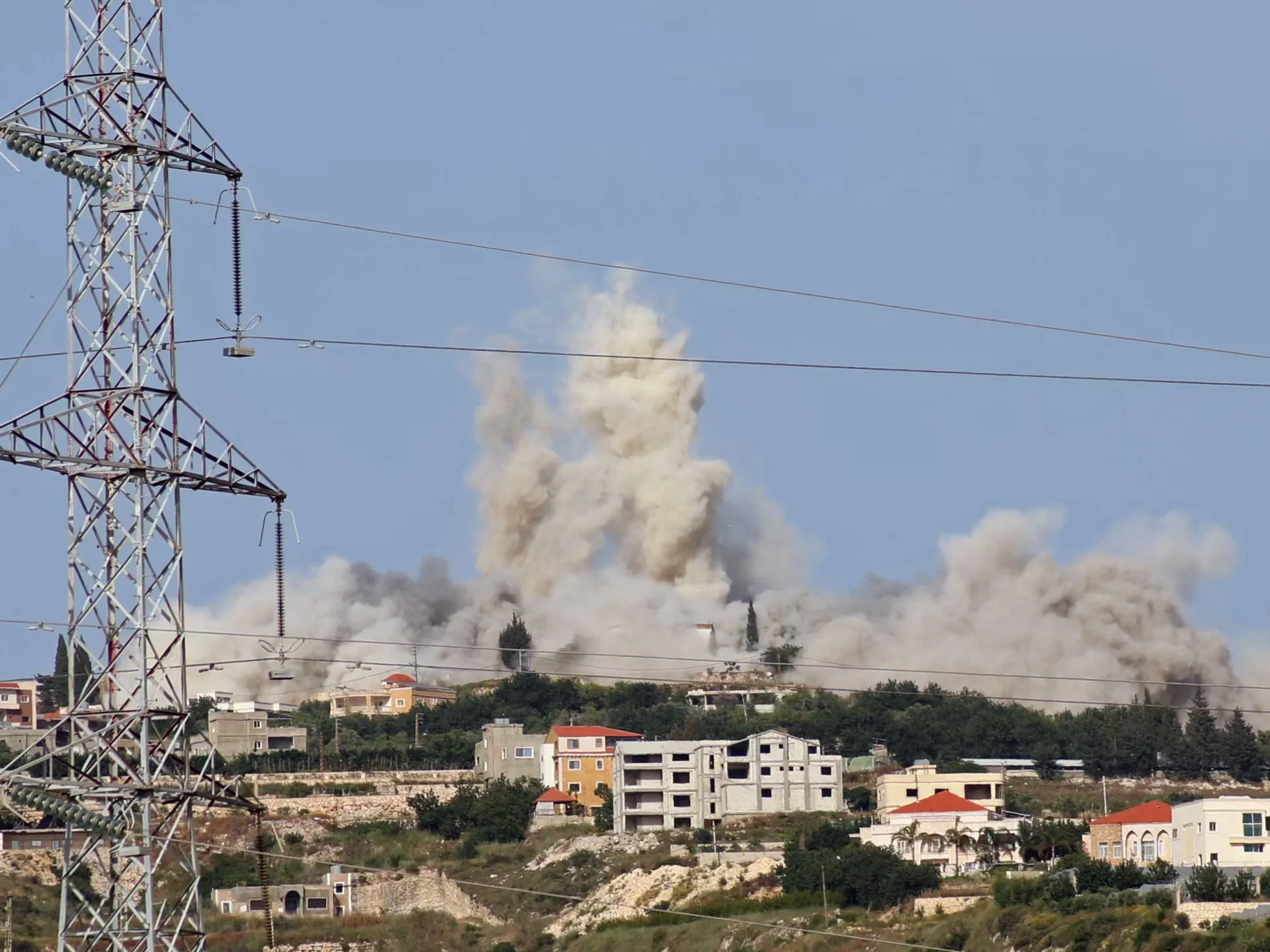
Israeli air strikes have killed at least five people and injured more than a dozen in southern and eastern Lebanon on Sunday, directly contradicting the terms of a recently agreed 45-day ceasefire extension with Hezbollah. The attacks targeted the municipalities of Tayr Felsay, Tayr Debba, Az-Zrariyah, and Jebchit, while a separate strike on the village of Jouaiya claimed at least three additional lives.
The violence occurred despite the extension being finalised during talks in Washington DC, which marked the first direct meetings between Lebanon and Israel in decades. Prime Minister Benjamin Netanyahu, addressing his cabinet on Sunday, defended the military’s posture, stating that Israel was “holding territory, clearing territory, protecting Israel’s communities, but also fighting an enemy that is trying to outsmart us”.
Concurrently, the Israeli military issued forced displacement orders for residents in several southern villages, including Sohmor, Roumine, al-Qusaibah, Kfar Hounah, and Naqoura. Al Jazeera correspondent Obaida Hitto, reporting from Tyre, described the day as “violent”, noting that attacks had intensified precisely as the ceasefire came into effect, despite the original accord beginning on 17 April never having been fully observed.
The diplomatic framework established in Washington aims to facilitate a US-facilitated security track commencing on 29 May, with further negotiations scheduled for 2 and 3 June. However, Hezbollah has firmly opposed direct negotiations, citing continued Israeli bombardment and occupation. Hezbollah legislator Hussein Hajj Hassan warned that such talks lead to a “dead-end path” resulting in concessions, particularly regarding the disarmament of resistance forces.
The humanitarian and economic toll of the conflict, which resumed on 2 March, continues to mount. The Lebanese Health Ministry reports that at least 2,988 people have been killed and 9,210 injured since the resumption of hostilities. The Danish Refugee Council estimates that over 1.2 million people have been displaced between March and April, while the Lebanese Business Association calculates economic losses exceeding $25 billion, with daily indirect damages running at approximately $30 million.