Israel intensifies Lebanon offensive, killing 31 in heaviest strikes since 2026 truce
The Israeli Defence Forces report targeting over 100 infrastructure sites in a significant escalation that marks a major breach of the US-brokered ceasefire established in mid-April.
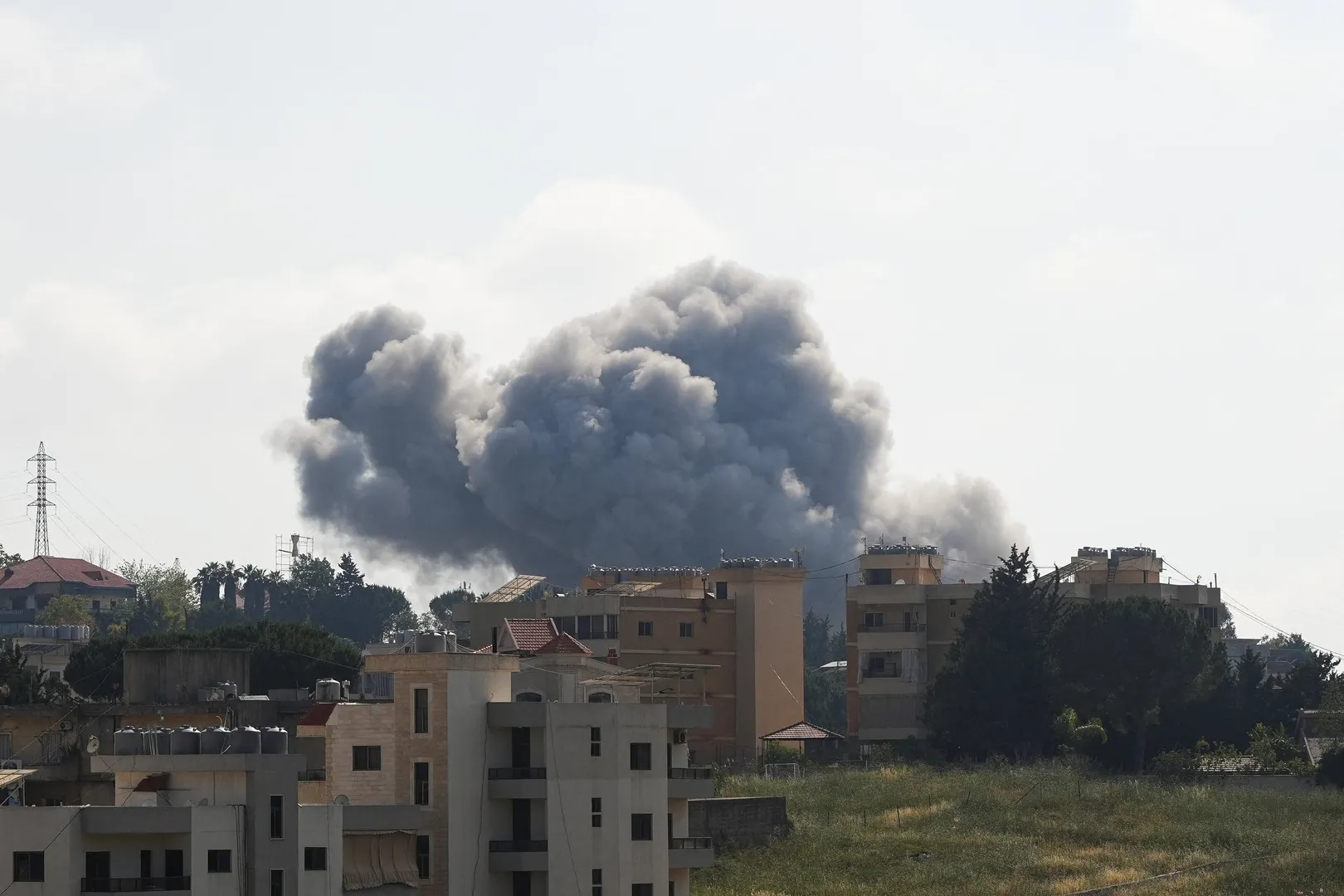
Israeli military operations in southern Lebanon have intensified significantly, resulting in the deaths of at least 31 people. The strikes, which targeted areas across the south and east, represent one of the heaviest bombardments since a US-brokered ceasefire was established in mid-April 2026. The Israeli Defence Forces (IDF) stated that the operation targeted more than 100 Hezbollah infrastructure sites and fighters.
Prime Minister Benjamin Netanyahu and Defence Minister Israel Katz issued joint statements regarding the escalation, with Netanyahu vowing to “crush” Hezbollah. Speaking at a security cabinet meeting, the Prime Minister cited repeated violations of the ceasefire by both sides as justification for the renewed hostilities. He accused the group of launching attacks, including the use of fibre-optic drones, against Israeli positions.
In conjunction with the aerial campaign, the IDF reported deploying large ground forces to seize dominant terrain and fortify the security zone. The military described the operation as a necessary measure to address the ongoing security threats posed by Hezbollah’s operational capabilities in the region.
The escalation in Lebanon occurs amidst broader regional tensions, including concurrent Israeli operations in Gaza City. Late on Tuesday, prior to the Eid al-Adha holiday, strikes in Gaza City killed Mohammed Odeh, the new leader of Hamas’ military wing. Officials identified Odeh as an architect of the 7 October 2023 attacks, marking a significant development in the separate conflict in Gaza.
International concern is rising as the situation remains fluid. While specific breakdowns of combatants versus civilians among the 31 deceased are not yet fully detailed, the death toll is expected to rise as verification processes continue. The intensification of hostilities threatens to undermine the fragile security architecture established earlier this year, with regional actors closely monitoring the potential for further spillover.