Israel faces scrutiny over mass detentions in southern Syria amid security vacuum
At least 197 men have been taken into custody since late 2024, with 43 still held in Israeli prisons. The UN Disengagement Observer Force has documented injuries from raids, while the Israeli military maintains the operations target links to Hezbollah and Hamas.
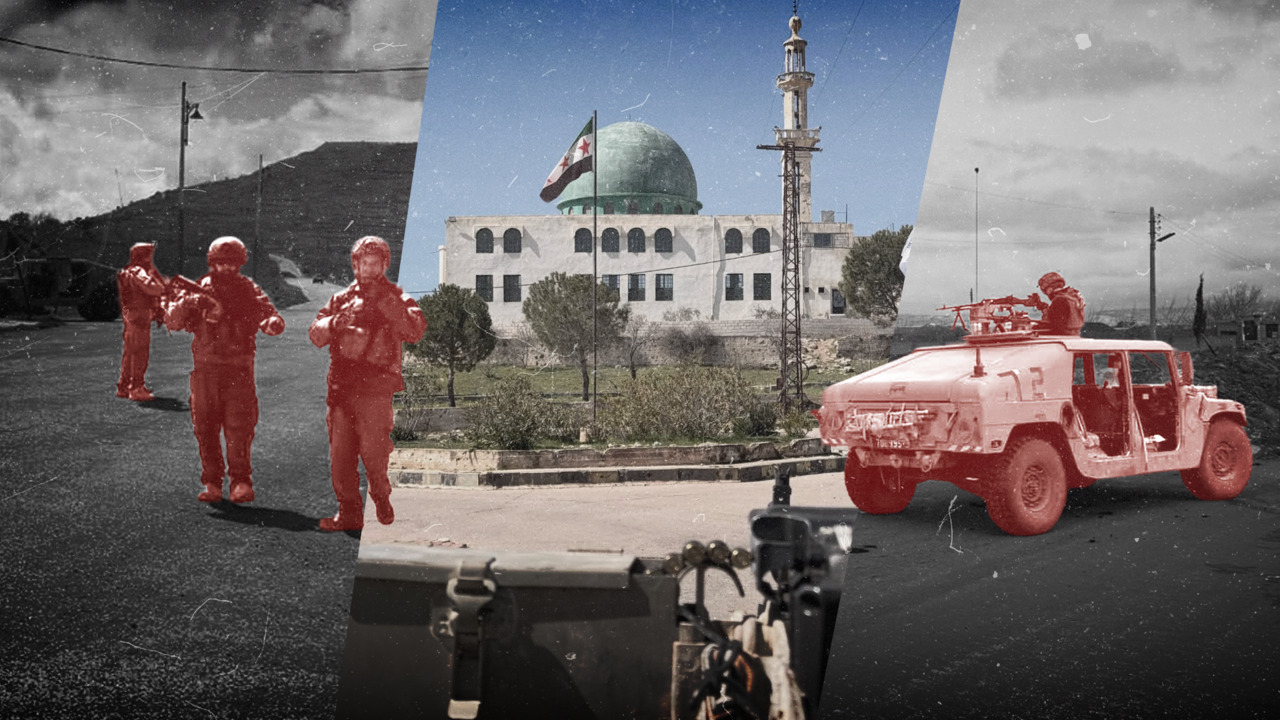
The Israeli army has arrested at least 197 men in southern Syria since late 2024, a surge in detentions that has drawn sharp criticism from legal representatives and witnesses who describe the operations as arbitrary. According to the Sijil Centre, which monitors military activities in the region, 43 of those arrested remain held in Israeli prisons, including facilities at Sde Teiman, Nafha, and Ofer. The arrests have intensified following the collapse of the 1974 disengagement agreement after the fall of Bashar al-Assad’s regime in December 2024, which previously maintained a buffer zone between the Israeli-occupied Golan Heights and Syria.
Witnesses and families have reported a pattern of nighttime raids involving home invasions, property destruction, and alleged physical abuse. In Beit Jinn, FRANCE 24 observers identified three distinct arrest operations in 2025 that resulted in 13 villager deaths and over 25 injuries, alongside six wounded Israeli soldiers. Accounts from detainees describe severe mistreatment, including solitary confinement, forced sleep positions, and the use of police dogs and stun grenades. Abu Kinan al-Sayed, a former detainee, detailed conditions at Sde Teiman prison where he was held for 65 days, alleging that detainees were forced to remain on their knees with lasers pointed at them and were subjected to humiliation during interrogations.
The Israeli military maintains that the detentions are lawful security measures targeting individuals with reasonable suspicion of involvement in terrorist activities. In a statement, the Israel Defence Forces (IDF) said it had apprehended persons linked to armed groups such as Hezbollah and Hamas, as well as Iranian interests operating in Syria. The army stated that continued detention is carried out for preventive security purposes in accordance with Israeli law and international law, denying any allegations of torture or mistreatment.
Human rights concerns have been raised by the United Nations Disengagement Observer Force (FNUOD), which has received regular reports from locals regarding these nighttime operations. While the UN has not directly witnessed an arrest, its spokesperson confirmed providing first aid to residents injured during raids. Lawyer Ahmad al-Moussa noted a dramatic increase in Syrian detainees, rising from four before December 2024 to 39 by early May 2026, including four minors. Al-Moussa has contacted the UN Human Rights Council and the UN Committee on Enforced Disappearances to denounce the conditions of detention, though he reports no response to date.
Specific cases highlight the human cost of the operations. Saddam Ahmad, who was 17 when arrested in April 2024, has had only one visit from the International Committee of the Red Cross in nearly two years. Similarly, Mohammed Hamada, a farmer with partial paralysis following back surgery, is reportedly held in Nafha Prison. The Sijil Centre reports that while most detainees are released after a few days, the prolonged detention of these individuals has sparked diplomatic and legal challenges, with families describing the raids as efforts to displace civilians from their land near the ceasefire line.