Israel Defence Minister Vows Continued Military Operations in Lebanon Despite Ceasefire
The Israeli government has signalled that hostilities will persist in Lebanon for the immediate future, undermining the diplomatic breakthrough achieved just 24 hours prior.
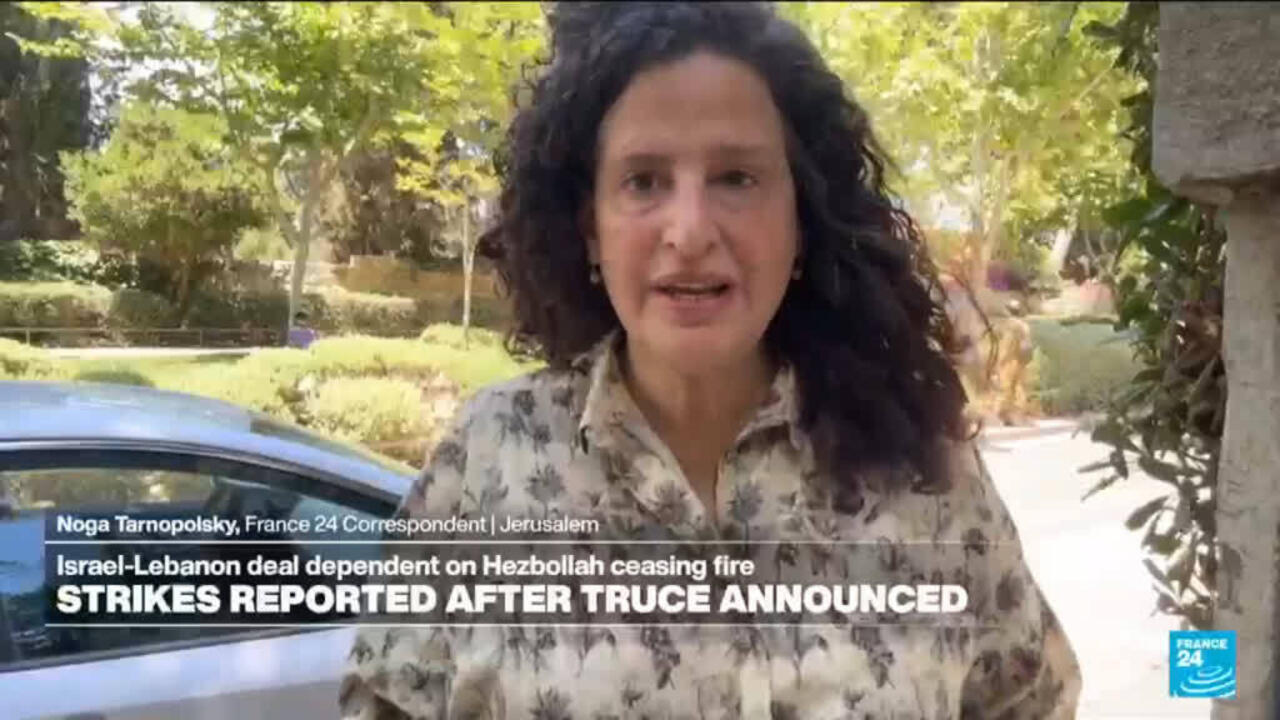
Israeli Defence Minister Israel Katz declared on Thursday that the Israel Defence Forces would maintain active operations in Lebanon and would not execute a withdrawal from the country. The statement was issued despite the announcement of a new ceasefire agreement between Israel and Lebanon, which was finalised on Wednesday following diplomatic talks mediated by the United States.
Katz specified that military activities would continue "for the time being," a phrasing that introduces ambiguity regarding the duration of the continued presence. This directive directly challenges the conventional understanding of a ceasefire, which typically implies a cessation of hostilities and a subsequent redeployment of forces. The minister’s comments suggest that the Israeli government intends to retain a military footprint in Lebanon even as the formal agreement to halt fighting takes effect.
The ceasefire agreement was reached on Wednesday, marking a significant diplomatic development in the ongoing conflict. The negotiations were facilitated by the United States, which has been actively engaged in efforts to de-escalate tensions between the two nations. However, Katz’s assertion that there would be no withdrawal indicates a potential divergence between the terms of the diplomatic agreement and the operational stance of the Israeli defence establishment.
It remains unclear whether the ceasefire agreement includes specific provisions for Israeli withdrawal that are being disregarded, or if the terms themselves allow for a continued military presence in certain zones. The source material does not detail the exact parameters of the ceasefire, nor does it clarify whether the "operations" referred to by Katz involve active combat, targeted strikes, or routine patrols.
The announcement has created uncertainty regarding the implementation of the ceasefire. While the agreement was formally accepted by both Israel and Lebanon, the Defence Minister’s statement suggests that the practical reality on the ground may not align with the diplomatic expectations set by the US-mediated talks. Corroboration from Lebanese or US officials regarding the status of the ceasefire implementation is not yet available in the current reports.
The situation highlights the complex interplay between diplomatic agreements and military policy in the region. Previous ceasefire attempts in the area have often faced challenges regarding compliance and interpretation, and Katz’s comments may signal that Israel is adopting a cautious approach to the new arrangement. The definition of "continued operations" remains vague, leaving observers to question the immediate security implications for Lebanon.
As the diplomatic process moves forward, the distinction between the political agreement and the military reality will likely become a central point of contention. The lack of clarity on the duration of the continued operations and the specific nature of the military activities leaves the long-term stability of the ceasefire in question.