Israel deepens military hold in southern Lebanon as displacement crisis intensifies
While Israeli officials cite security buffers against Hezbollah, reports indicate troops have operated beyond established lines, raising fears of permanent occupation despite a fragile regional ceasefire.
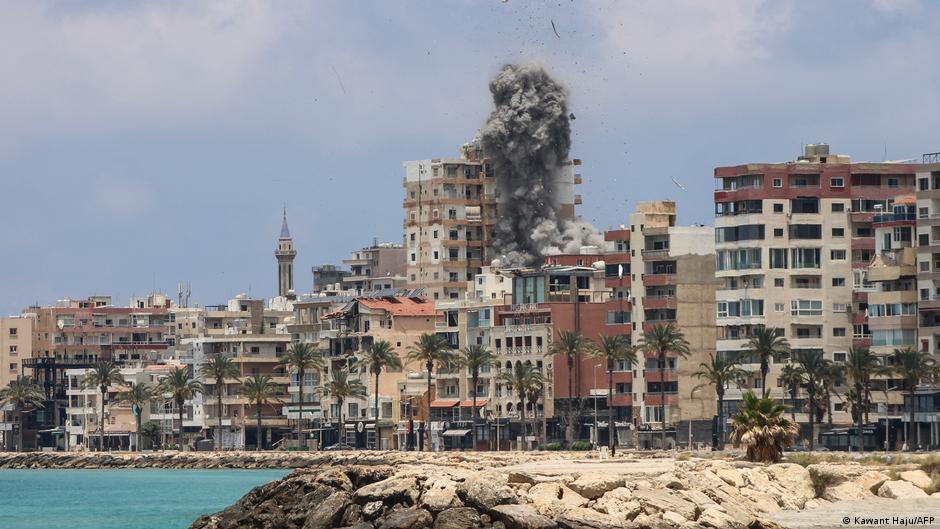
Israeli forces have issued repeated evacuation orders for the southern Lebanese cities of Tyre and Nabatieh, citing security concerns and the establishment of a buffer zone. The ongoing aerial and artillery attacks have turned Tyre into a "ghost town," with residents fearing permanent occupation or further territorial expansion. While Israeli officials state the goal is to secure northern Israel from Hezbollah attacks, experts suggest the strategy signals a shift toward territorial control. Despite a recent ceasefire between Iran and Israel, hostilities continue, causing significant displacement and destruction of civilian infrastructure.
Locals displaced from southern Lebanese towns on evacuation orders now fear Israel will occupy their homes permanently or continue to expand its invasion. The Israeli army has told locals in Tyre, previously home to over 100,000 people, to evacuate several times. Since early March, successive waves of displacement have left the city with minimal services, as residents describe a landscape where pharmacies and grocery shops have closed due to security risks. Community workers report that drone and artillery attacks continue despite the new ceasefire between Iran and Israel.
Israeli Defence Minister Israel Katz stated that locals will not be permitted to return to southern Lebanon until the safety of northern Israeli residents is guaranteed. Israel has marked a "yellow line" approximately 10 kilometres from the border as a security buffer zone. However, there have been reports of Israeli soldiers operating beyond this line and Lebanon's Litani River for the first time since 2006. Prime Minister Benjamin Netanyahu has expressed intent to "deepen and expand" Israel's hold on Lebanese terrain, a move that has alarmed civilians and analysts alike.
Experts from the Institute for Applied Geopolitics argue the operation signals a strategic shift from limited border defence to territorial control and deterrence. H.A. Hellyer of the Royal United Services Institute suggests Israel is using its current "freedom of action" to draw new security lines before potential political changes in the US administration. This perspective contrasts with views from former Israeli military officials who maintain that the depth of the operation is limited to ensuring immunity from direct fire, though they acknowledge that increased pressure may influence future policy decisions.
The humanitarian impact has been severe, with civilian infrastructure destroyed without warning. A historic family home near a UNESCO world heritage site in Tyre was destroyed, causing distress to the owner who was relocating to France. Despite the destruction, displaced residents express a determination to rebuild, citing the resilience of the people in the south. International analysts suggest that reinning in Israeli forces would require diplomatic pressure from key allies, including the US and Germany, to enforce a genuine ceasefire and allow the Lebanese army to assert control.