Israel deepens incursion into Lebanon with capture of Beaufort Castle amid stalled peace talks
The IDF’s advance marks the deepest penetration into Lebanese territory in over 25 years, coinciding with a revised US peace proposal and condemnation from Beirut.
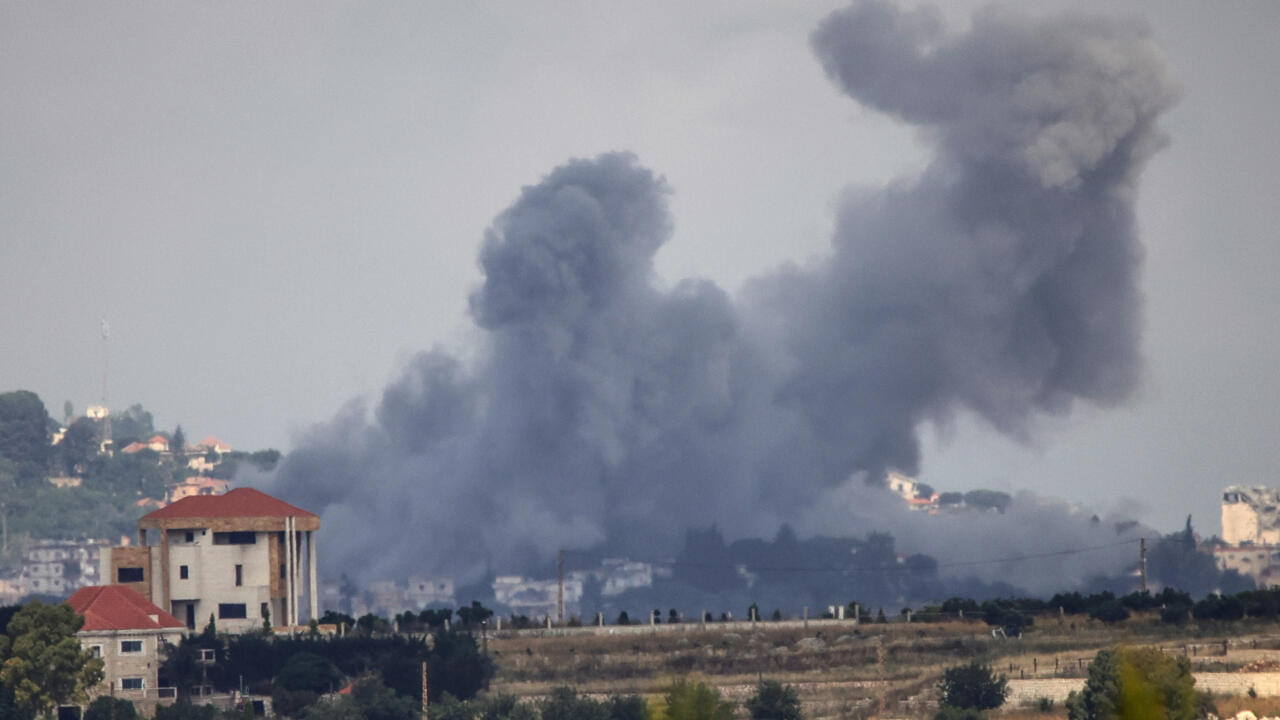
The Israel Defence Forces (IDF) announced on 31 May 2026 that its ground forces were expanding operations in southern Lebanon, stating that troops had crossed the Litani River to strengthen their military position. In a significant tactical development, Israeli forces captured Beaufort Castle, a strategic site near Nabatiyeh, marking the deepest incursion into Lebanon in more than 25 years.
The capture of the Crusader-built fortress follows days of intense fighting and airstrikes in nearby villages where Israeli troops engaged members of the Iran-backed Hezbollah. The Israeli army’s Arabic spokesman, Avichay Adraee, posted a photograph on X showing troops outside the castle, which Israeli forces had previously held for 18 years before withdrawing from Lebanon in 2000.
This military escalation occurs against a backdrop of diplomatic activity in Washington, where direct talks between Israel and Lebanon are underway. Concurrently, US President Donald Trump has sent a revised, tougher peace proposal to Iran regarding nuclear weapons and the Strait of Hormuz. US media reported that the president sought to change several terms, specifically toughening the deal and reinforcing points regarding the handling of Iran's nuclear material.
Lebanese Prime Minister Nawaf Salam condemned the escalation, calling for an immediate ceasefire and warning that a scorched-earth policy would not ensure Israel's security. Meanwhile, Mojtaba Khamenei, an adviser to Iran's Supreme Leader, accused President Trump of betraying diplomacy due to the ongoing naval blockade and what he described as excessive demands in the negotiations.
The conflict, which began in early March 2026, has had broader economic repercussions. Pentagon chief Pete Hegseth stated in Singapore that the US has sufficient weapons stockpiles and is more than capable of resuming war with Iran. The resulting strain on global energy supplies and prices is particularly impacting tourism-dependent economies in Southeast Asia, including Thailand and Vietnam, as travel costs soar.