Israel crosses Litani River in Lebanon, seizing Beaufort Castle amid displacement orders
Lebanese Prime Minister condemns ‘scorched-earth’ policy while Israeli forces consolidate control over strategic hilltop fortress near Nabatieh.
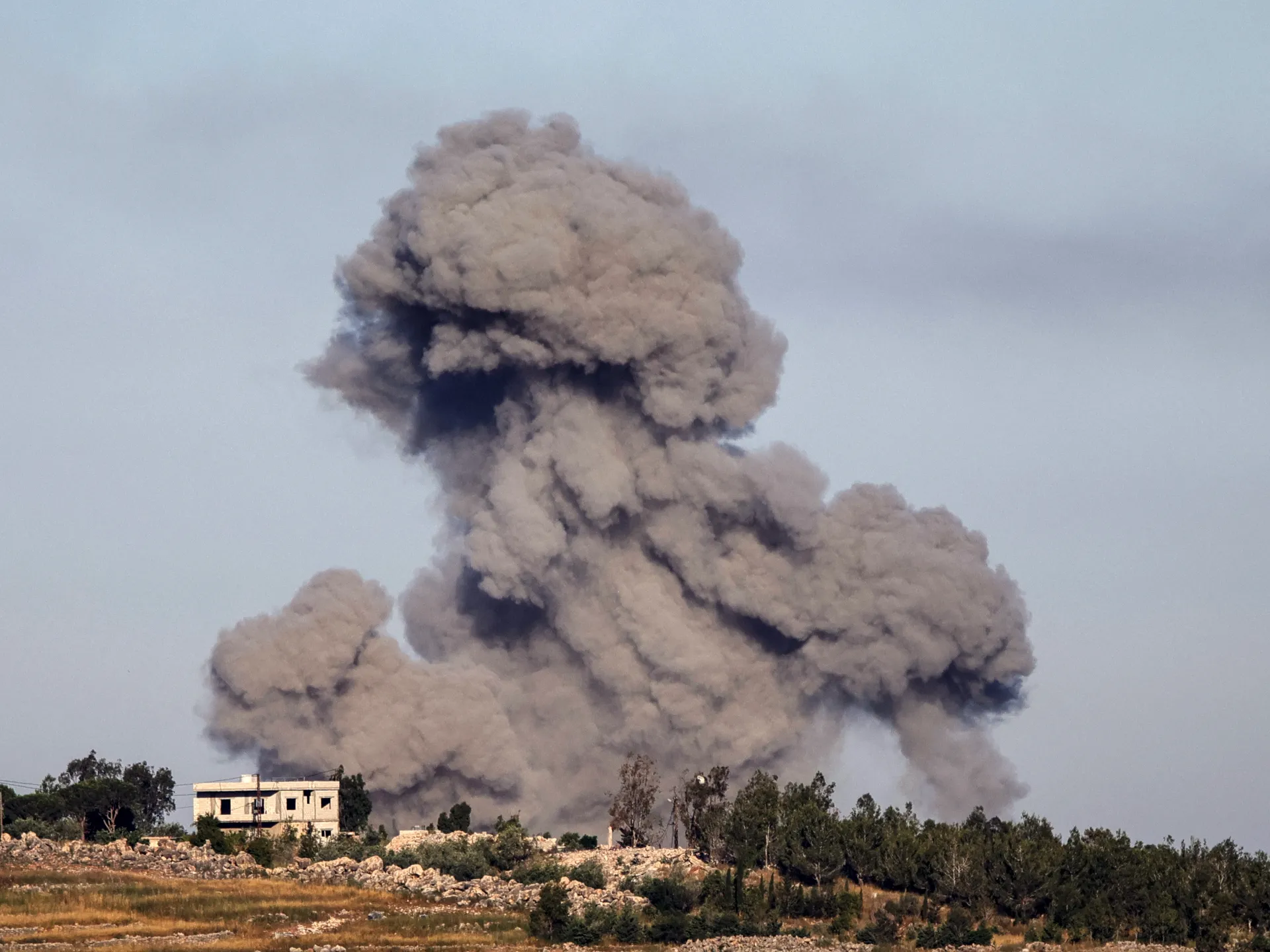
The Israel Defence Forces have executed a significant escalation in southern Lebanon, crossing the Litani River for the first time since 2006 and seizing Beaufort Castle, a strategic hilltop fortress near Nabatieh. The advance, confirmed by the Israeli military on 31 May 2026, represents the deepest incursion into Lebanese territory in over 25 years and has triggered a fresh wave of displacement orders for civilians in the region.
Israeli Defence Minister Israel Katz described the capture of the 12th-century fortress, previously held by Israeli forces until 2000, as a significant tactical victory. In a statement, Katz affirmed that the operation was conducted under the direction of Prime Minister Benjamin Netanyahu to secure the Galilee border and protect military positions. The seizure of the Beaufort Ridge comes as Israeli troops continue to encircle Nabatieh, Lebanon’s fifth-largest city, which is viewed by many locals as a symbol of resistance.
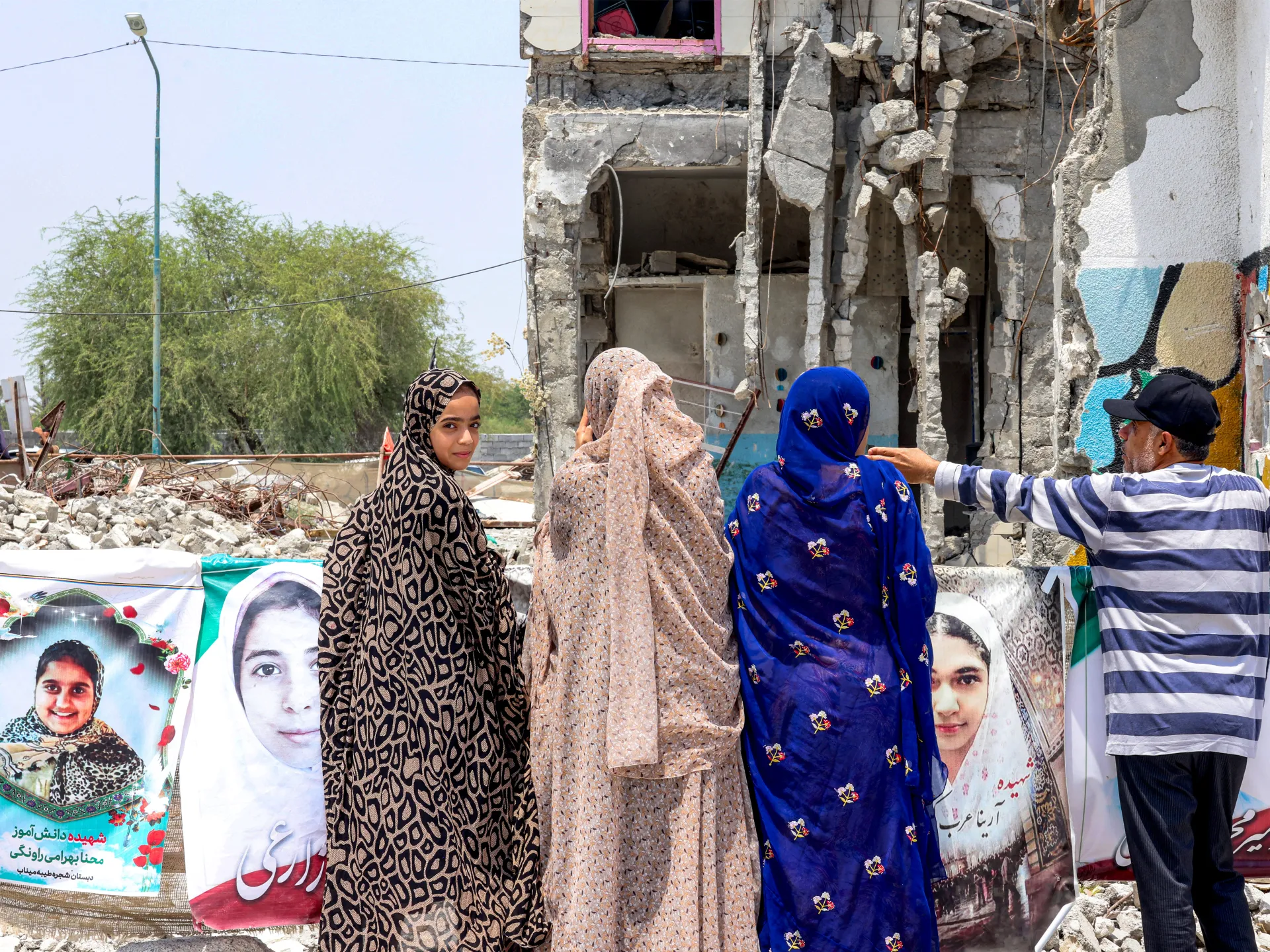
In the 24 hours preceding the announcement, Israeli authorities issued more than 10 displacement orders for residents living south of the Zahrani River. Avichay Adraee, the Israeli military’s Arabic spokesperson, posted instructions on X urging immediate evacuation north of the river, warning that those who remained risked being killed. The orders have contributed to a severe humanitarian crisis, with Al Jazeera correspondent Obaida Hitto reporting from Tyre that ongoing demolitions of homes and businesses have restricted movement across a zone covering approximately one-fifth of Lebanon’s territory.
Despite the ground offensive, Hezbollah continues to target Israeli forces using advanced technology. On Saturday, an Israeli soldier was killed in an attack involving fibre-optic drones, bringing the total number of Israeli military casualties since the escalation began on 2 March to 25. These low-cost aircraft, resistant to electronic jamming and radar detection, have successfully penetrated Israel’s multi-layered air defence systems, prompting Israeli officials to acknowledge that the militant group has strengthened and shown greater defiance in recent months.
Diplomatic efforts to stabilise the region have faltered, with Israeli and Lebanese officials meeting at the Pentagon in Washington DC on Friday to discuss the implementation of a nominal ceasefire that began in mid-April. Lebanese Prime Minister Nawaf Salam has condemned the military actions as a scorched-earth policy and collective punishment. Filippo Dionigi, a Senior Lecturer in International Relations at the University of Bristol, noted that the Lebanese government faces intense pressure from both Israel’s military strategy and domestic demands for Hezbollah’s disarmament, complicating any path to a political resolution.