Israel confirms killing of Hamas military chief Mohammed Odeh in Gaza City strike
The airstrike in the Remal neighbourhood has drawn sharp contrasts between Israeli claims of dismantling Hamas command structures and local reports of civilian casualties amid a fragile ceasefire.
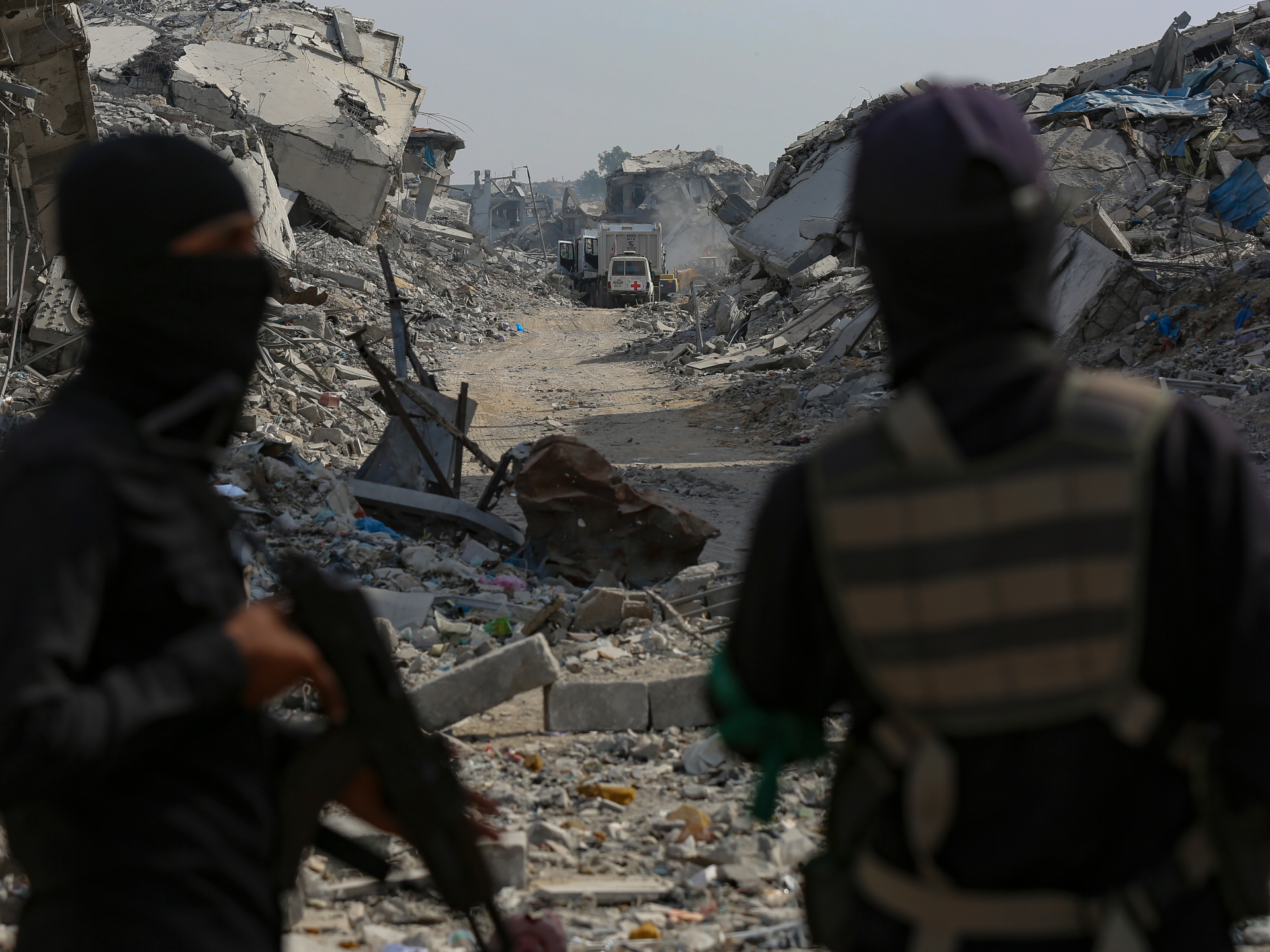
Israeli authorities have confirmed the killing of Mohammed Odeh, the newly appointed head of Hamas’s military wing in Gaza, following an airstrike on Gaza City on Tuesday. Israeli Defence Minister Israel Katz and Prime Minister Benjamin Netanyahu verified the targeting of Odeh, who reportedly succeeded Izz al-Din al-Haddad as leader of the Qassam Brigades after al-Haddad was killed in an earlier Israeli strike.
The Israeli army stated that the operation, which targeted the al-Kayali building in the Remal neighbourhood, followed months of intelligence monitoring. Officials accused Odeh of being one of the last senior commanders involved in the planning and execution of the October 7 attacks, as well as the management of combat operations against Israeli Defence Force troops. Katz described Odeh on social media platform X as the commander of Hamas’s military arm number 4 in Gaza, stating he had been eliminated.
Al-Shifa Hospital reported that the strike resulted in six deaths and 20 injuries in the Remal area, a busy market district in western Gaza City. Al Jazeera correspondent Hind Khoudary reported significant destruction in the neighbourhood, noting that three large explosions occurred at approximately 9:30 pm local time while residents were shopping ahead of the Eid holiday. There was no immediate response from Hamas regarding the death of its military leader.
The incident has intensified scrutiny over the security situation during the so-called ceasefire, which took effect on 11 October. According to Gaza’s Ministry of Health, at least 906 Palestinians have been killed in the strip since the truce began, bringing the cumulative death toll since the conflict commenced on 7 October 2023 to 72,803. The Israeli military has previously killed several senior Hamas officials, including former political chief Ismail Haniyeh, Yahya Sinwar, and Mohammed Deif, the longtime commander of the armed wing.
Palestinian health authorities attribute the high casualty figures to the ongoing military campaign launched by Israel in response to the October 7 attacks. While Israeli officials frame the targeted killings as necessary measures to dismantle terrorist infrastructure, the continued violence during the ceasefire period suggests growing strain on the fragile security arrangement in the region.