Israel approves limited foreign security force in Gaza amid diplomatic pressure
Analysts describe the move as a calculated manoeuvre to deflect US pressure ahead of Prime Minister Benjamin Netanyahu’s visit to Washington, while experts warn the deployment entrenches the fragmentation of the Gaza Strip.
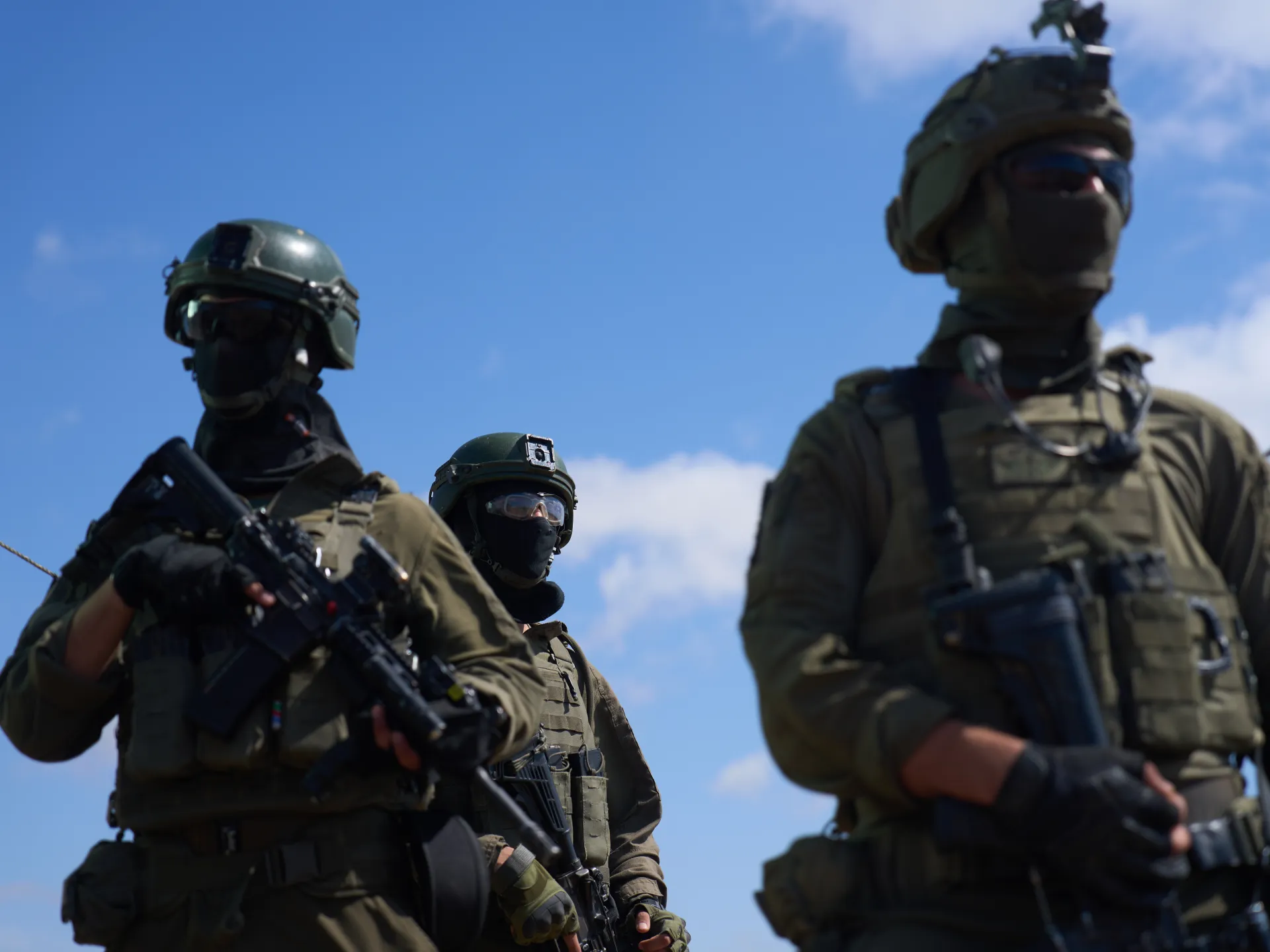
Israel’s security cabinet has approved a pilot project allowing a limited International Stabilization Force (ISF) into a designated zone in Rafah, Gaza. The force will consist of 200 personnel from countries including Morocco and Uganda, operating under full coordination with the Israeli military. Analysts describe the move as a calculated diplomatic gesture intended to deflect US pressure ahead of Prime Minister Benjamin Netanyahu’s visit to Washington, rather than a genuine step towards peace. The deployment is restricted to an area outside the Israeli-imposed “Yellow Line,” which keeps approximately 70 percent of Gaza under tight Israeli control. National Security Minister Itamar Ben-Gvir voted against the measure, while the Palestinian National Committee for the Administration of Gaza (NCAG) has stated it will only assume responsibility following a full Israeli military withdrawal.
The decision, part of US President Donald Trump’s 20-point “peace plan,” was approved via a telephone vote during a Knesset recess to avoid internal coalition fractures. Israeli media reported that the original plan anticipated 500 Moroccan troops; the reduction to 200 members may indicate a decision to divide the deployment into smaller, heavily controlled stages. Israeli media reported that the government maintains the Israeli military will retain control of the “Yellow Line” and that no withdrawal will occur until Hamas has fully disarmed.
Palestinian police accompanying the NCAG will be stripped of firearms and permitted to carry only “rubber batons and tasers.” A military base is under construction near the Karem Abu Salem (Kerem Shalom) crossing to host the incoming multinational forces. The cabinet decision stipulates that ISF contributors must be nations with peace agreements with Israel and that do not pursue legal actions against it in international forums.
Nickolay Mladenov, the high representative for the Board of Peace, welcomed the decision as a “critical part of the agreed framework.” However, experts argue the move subverts the idea of Gaza as a single, contiguous territorial entity. Wissam Afifa, a Gaza-based political analyst, warned that transforming a small pocket of Rafah into an “experimental bubble” leaves two million people hostage to a humanitarian crisis while Israel claims to implement a peace plan.
The NCAG has rejected this paradigm, declaring it will only assume responsibility after UNSC approval of the force’s deployment and a full Israeli military withdrawal. Mamoun Abu Amer, an expert on Israeli affairs, suggested the restrictions reflect a premeditated strategy to strip the Palestinian administration of genuine law enforcement capabilities, reducing them to subcontractors managing municipal decay under strict military occupation.