Israel and Iran resume hostilities, shattering two-month ceasefire
The escalation marks the first direct engagement between the two nations since the truce began, challenging Washington’s efforts to manage regional stability and forge a wider peace deal.
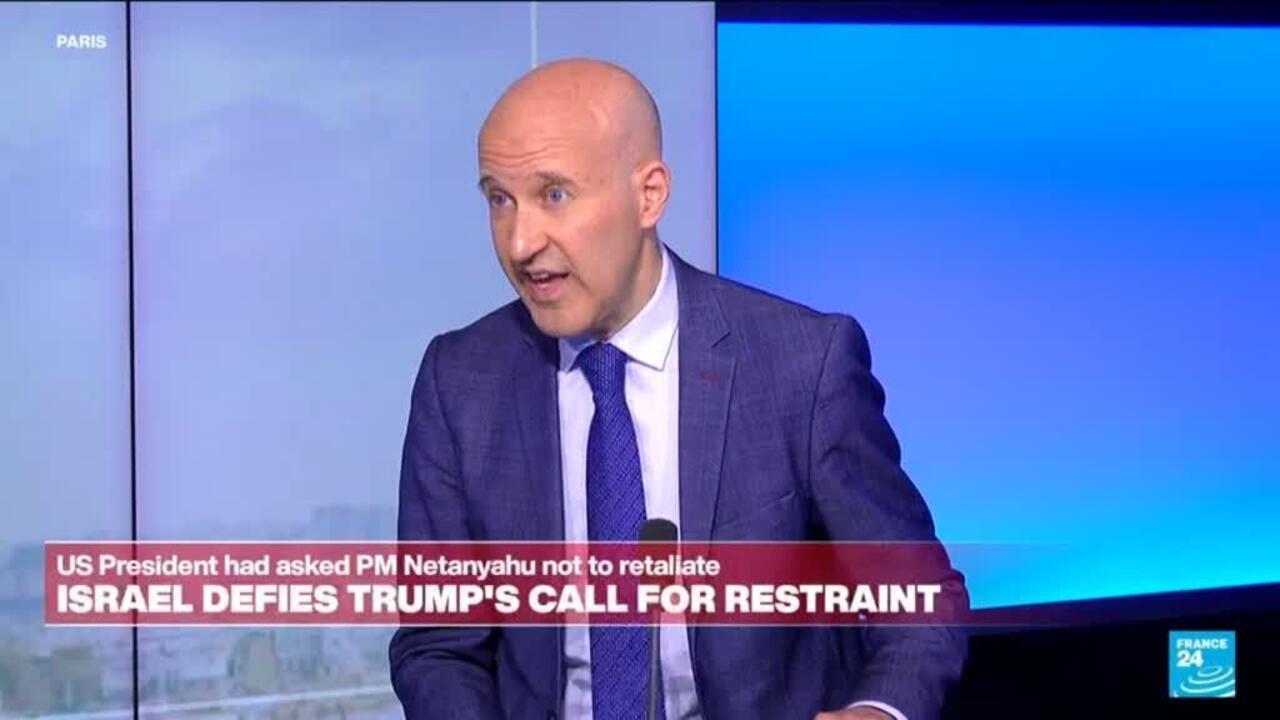
Israel and Iran engaged in direct military strikes on June 8, marking the first exchange of fire between the two nations since a ceasefire was established two months ago. The escalation occurred despite explicit calls for restraint from US President Donald Trump and coincides with stalled negotiations between the parties and the United States.
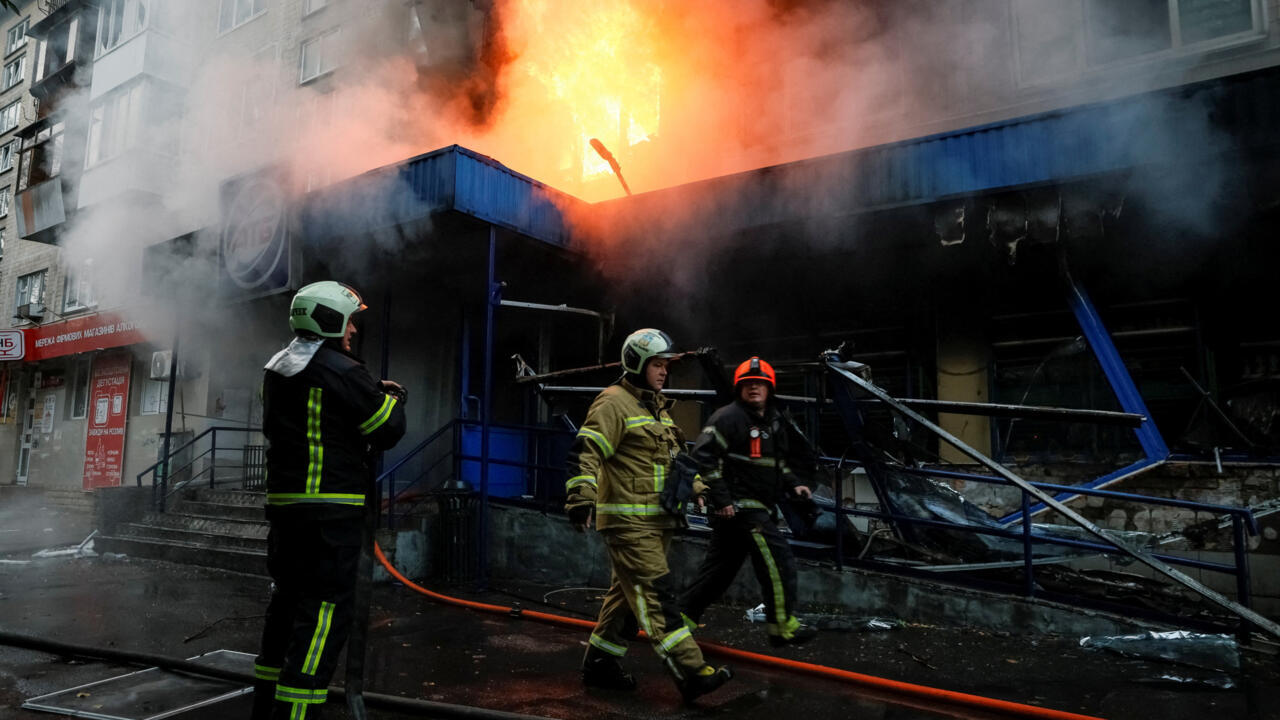
The hostilities began after Iran fired a salvo of missiles at Israeli targets in retaliation for previous strikes on Beirut’s southern suburbs. In response, Israel conducted air strikes on military targets in western and central Iran, resulting in explosions reported in the capital, Tehran, as well as in the cities of Tabriz and Isfahan.
Following the Israeli attacks, Iran’s Revolutionary Guards targeted the headquarters of groups it described as "terrorist groups" in Sulaymaniyah, located in Iraqi Kurdistan. The sequence of retaliatory barrages underscores the volatility of the security landscape, with both sides continuing military operations despite the recent truce.
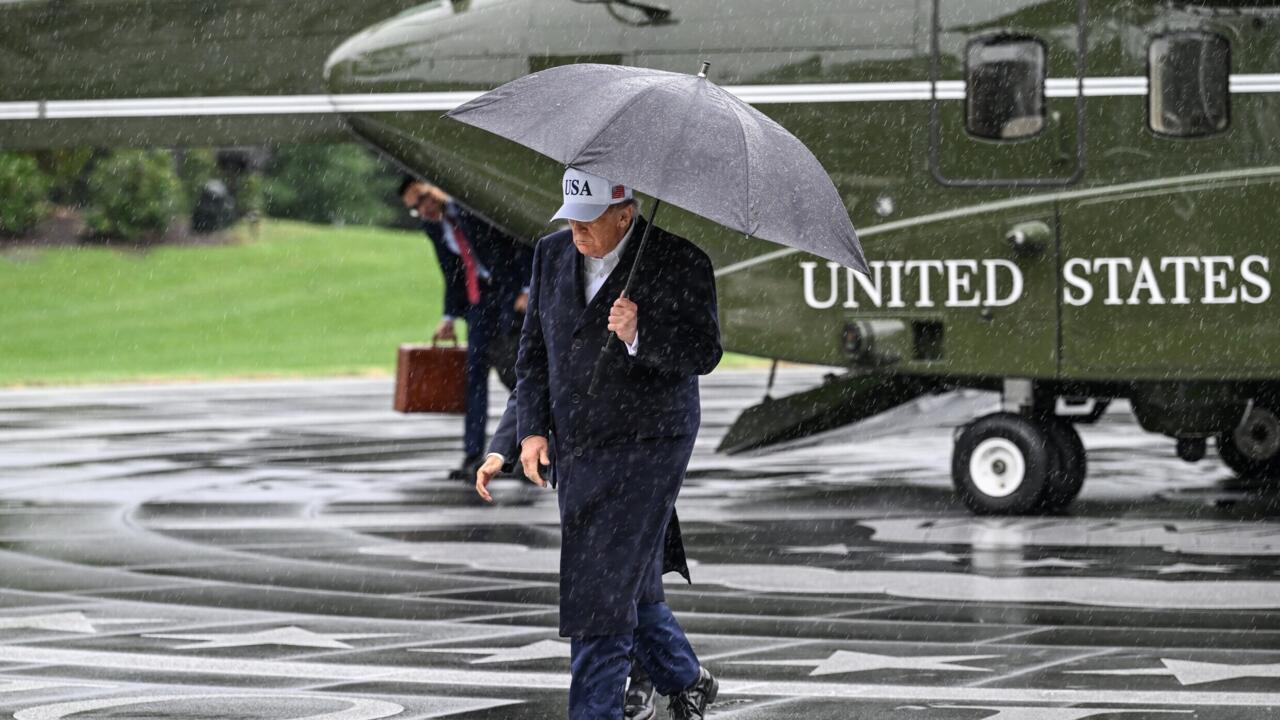
US President Donald Trump reportedly spoke with Israeli Prime Minister Benjamin Netanyahu on Sunday night to urge restraint, instructing him not to retaliate against Iran. In subsequent interviews with the Financial Times and Fox News, Trump asserted that he controls the decision-making process regarding the conflict, framing the escalation as a challenge to his diplomatic efforts.
The military exchanges are unfolding against a backdrop of market volatility and regional instability, challenging President Trump’s ongoing efforts to forge a wider peace deal in the Middle East. Far-right Israeli National Security Minister Itamar Ben-Gvir has been involved in the political fallout, though specific actions were not detailed in the provided reports.
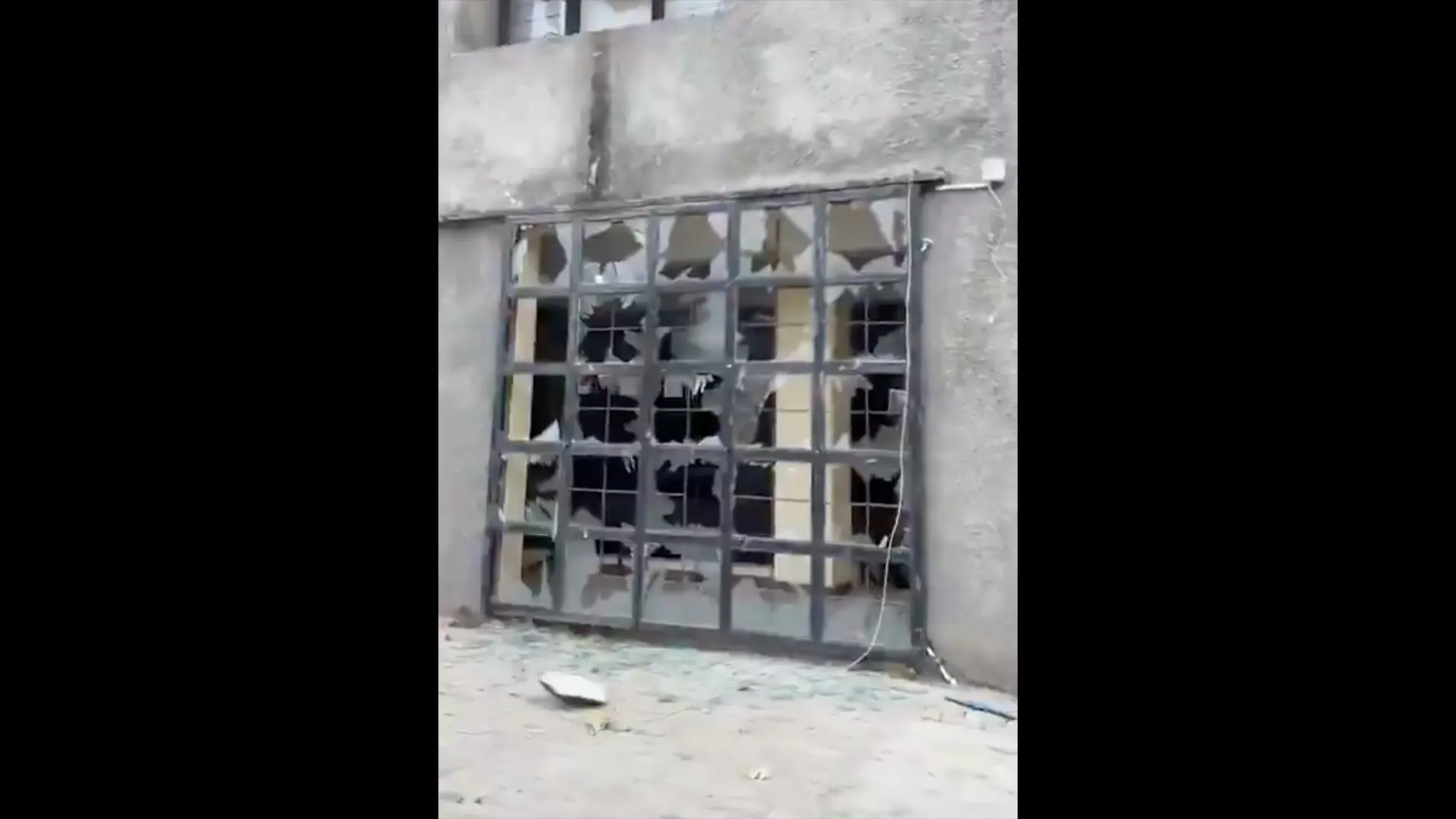
The exact extent of damage caused by the strikes in Tehran, Tabriz, and Isfahan remains unspecified. Similarly, the precise status of the stalled talks between the parties and the US is not detailed beyond the fact that negotiations have halted. The specific nature of the groups targeted in Sulaymaniyah is also not defined, only described by Iran’s Revolutionary Guards.