Israel and Argentina launch direct flight to strengthen geopolitical ties
The twice-weekly service, supported by government subsidies, aims to bypass European airspace restrictions and deepen security partnerships amid Israel’s international isolation.
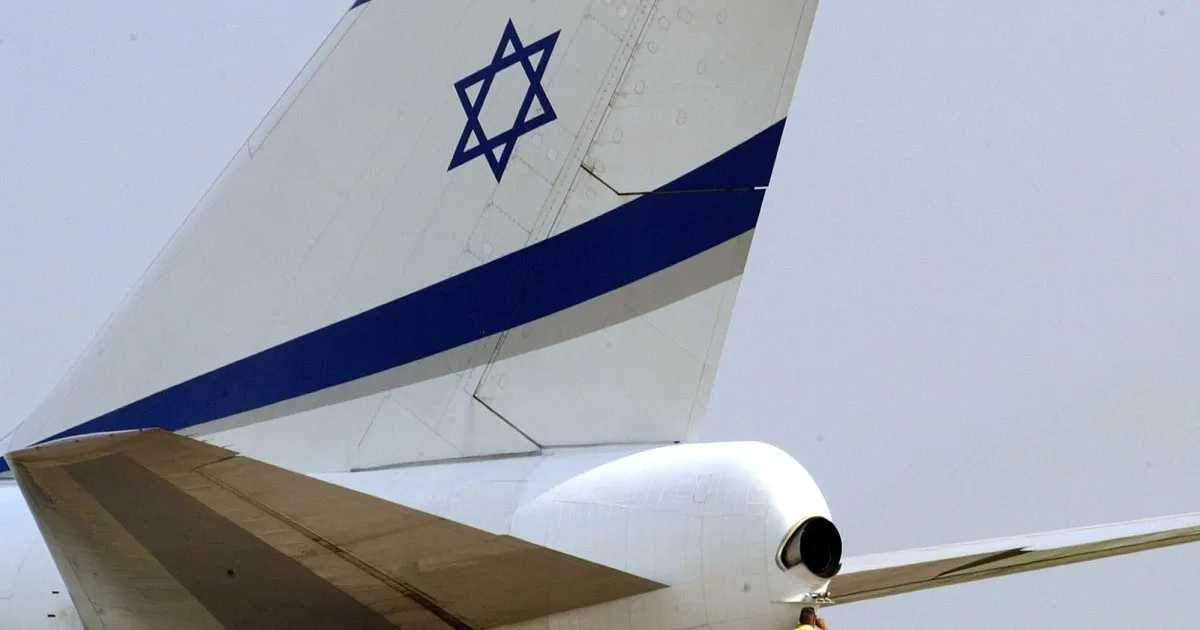
Israel and Argentina have initiated a direct flight service between Tel Aviv and Buenos Aires, commencing in November, to strengthen diplomatic ties under Prime Minister Benjamin Netanyahu and President Javier Milei. The twice-weekly route is operated by Israel’s national carrier, El Al, covering a distance of 12,000 kilometres (7,460 miles). The initiative is driven by political objectives to expand Israel’s influence in Latin America through security, counterterrorism, and artificial intelligence partnerships, leveraging the ideological alignment between the two leaders.
The route is part of a broader framework known as the “Isaac Accords”, aimed at establishing strategic cooperation with Latin American nations including Ecuador, Costa Rica, and Paraguay. The flight was announced following a celebratory event in occupied East Jerusalem, attended by US Ambassador Mike Huckabee, who described Netanyahu and Milei as President Donald Trump’s “biggest friends”. Analysts view the service as a mechanism to cement Israel’s geopolitical footprint in the region, offering expertise in cybersecurity and border management to countries grappling with internal conflicts.
Due to airspace bans in several African nations, including Libya, flights must take a costly detour over the Mediterranean and the Atlantic. To mitigate the economic risks associated with the long-haul route, the Israeli government has granted El Al a 20-million-shekel ($5.4m) subsidy over three years. The success of the project relies heavily on Argentina’s Jewish community, estimated at up to 300,000, and aims to capitalise on a 37 percent increase in travel between the two countries in 2025.
The direct connection also serves a practical security function for Israeli officials and military personnel. With mounting legal challenges and arrest warrants from the International Criminal Court (ICC) targeting figures such as Prime Minister Netanyahu and Finance Minister Bezalel Smotrich, the route offers a bypass to European airspace. Analysts suggest the service provides a more politically flexible space for travel, sparing passengers from potential legal harassment or security interrogations in European hubs like Madrid or Paris.
Domestic criticism has emerged in Argentina, where left-wing congresswoman Myriam Bregman accused the government of constitutional overreach by entering into the agreement without congressional approval. In Israel, the transport ministry warned that pulling Boeing 787 Dreamliners from US routes could increase ticket prices for North American travel. Additionally, friction has occurred in southern Argentina, where local residents blame Israeli tourists, many of whom are recently discharged soldiers, for negligence in causing fires in Patagonia nature reserves, including a blaze in January 2026 that destroyed 77,000 hectares (190,000 acres).
Despite these challenges, the flight carries profound historical symbolism for Israel, recalling the 1960 Mossad operation that used an El Al flight to smuggle former Nazi official Adolf Eichmann from Argentina. The initiative represents a shift in Israeli strategy, utilising infrastructure to create a global network of interests that forces countries to weigh their relationship with Israel against their stance on the Palestinian cause.