Israel advances 627-unit West Bank settlement tender amid broader expansion drive
The Israel Land Authority has published a tender for 627 new housing units in the occupied West Bank, marking a shift from planning to implementation for the Kochav Yaakov settlement.
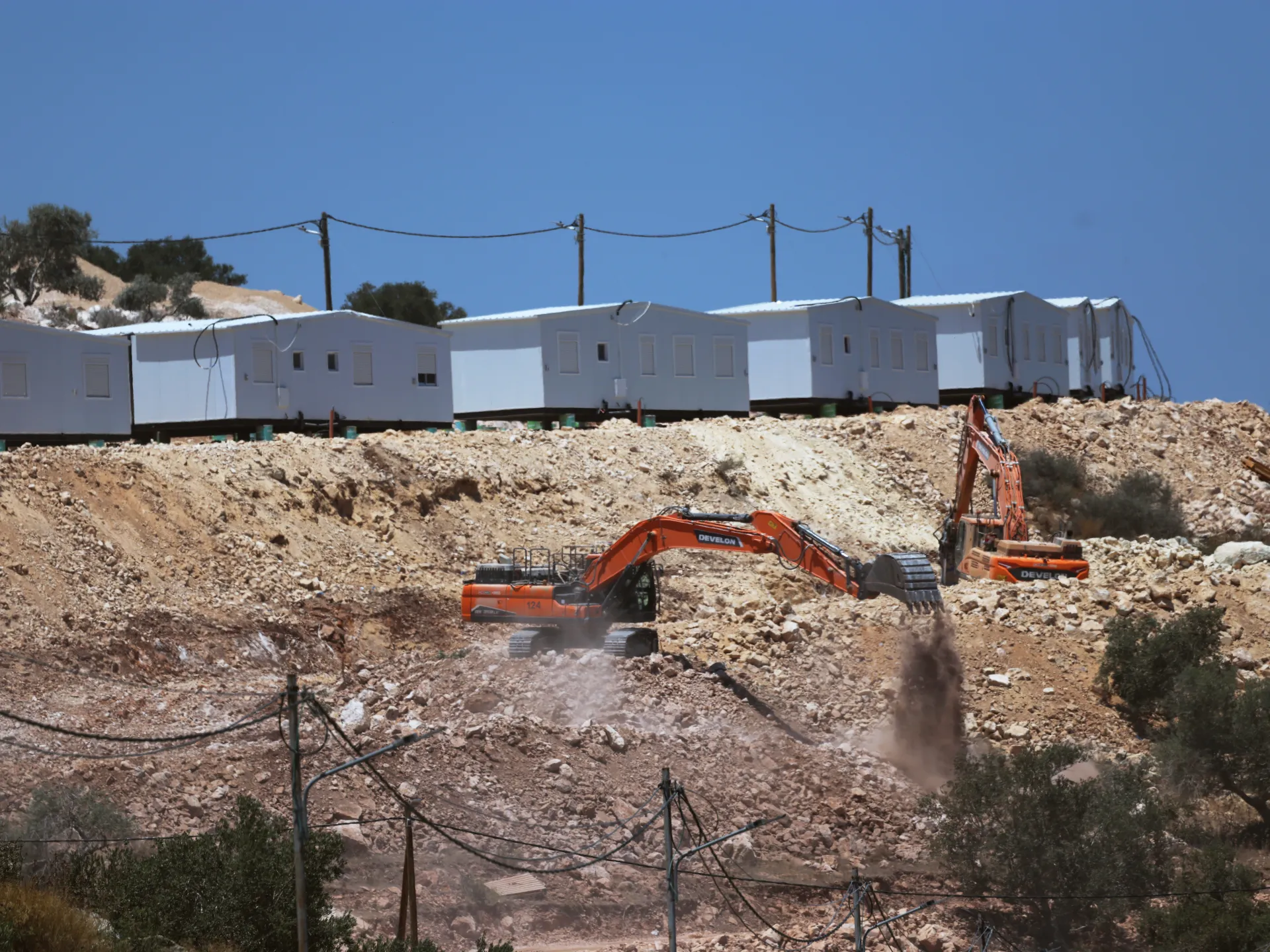
Israeli authorities have issued a tender for 627 new housing units in the Kochav Yaakov settlement, located in the occupied West Bank. The tender, published by the Israel Land Authority on Thursday, sets a submission deadline of 30 November for construction companies. According to the Palestinian Colonization and Wall Resistance Commission (CRRC), the project covers 253.7 dunams and was initially approved by Israeli authorities on 27 April 2025.
The commission reported on Saturday that the publication of the tender marks the transition of the project from the planning stage to marketing and implementation. The development is situated in the Ramallah and al-Bireh governorate, within a cluster of settlements administered by Israel under the name “Binyamin”. The CRRC stated that the expansion aims to deepen the separation between Jerusalem and its Palestinian surroundings, while also strengthening links to nearby settlements and access roads.
This tender is one of 12 illegal settlement tenders issued by Israeli authorities in the first half of 2026. Collectively, these tenders include 1,138 housing units concentrated in five main settlements. The commission noted that the first half of 2026 also saw separate waves of tenders for industrial zones, offices, nursing homes, and tourism facilities, reflecting growing investment in settlements’ economic infrastructure beyond just housing.
The move comes against a backdrop of heightened tension in the region. Palestinian monitors have recorded more than 11,000 attacks by Israeli forces and settlers across the West Bank since January 2026. The CRRC described the Israeli decisions as part of a broader strategy aimed at tightening Israel’s illegal control and exerting pressure on the Palestinian region.
International legal frameworks have consistently challenged the legitimacy of such developments. United Nations Secretary-General Antonio Guterres has stated that Israeli settlements have “no legal validity” and constitute a “flagrant violation” of international law. Furthermore, a 2024 International Court of Justice advisory opinion deemed Israel’s continued occupation of Palestinian territory unlawful.