ISIL Claims Responsibility for Deadly Assault in Adamawa State Amid Wider Security Crisis
The attack occurred alongside a separate abduction of 23 children in an unregistered orphanage, prompting renewed scrutiny of security protocols in the region.
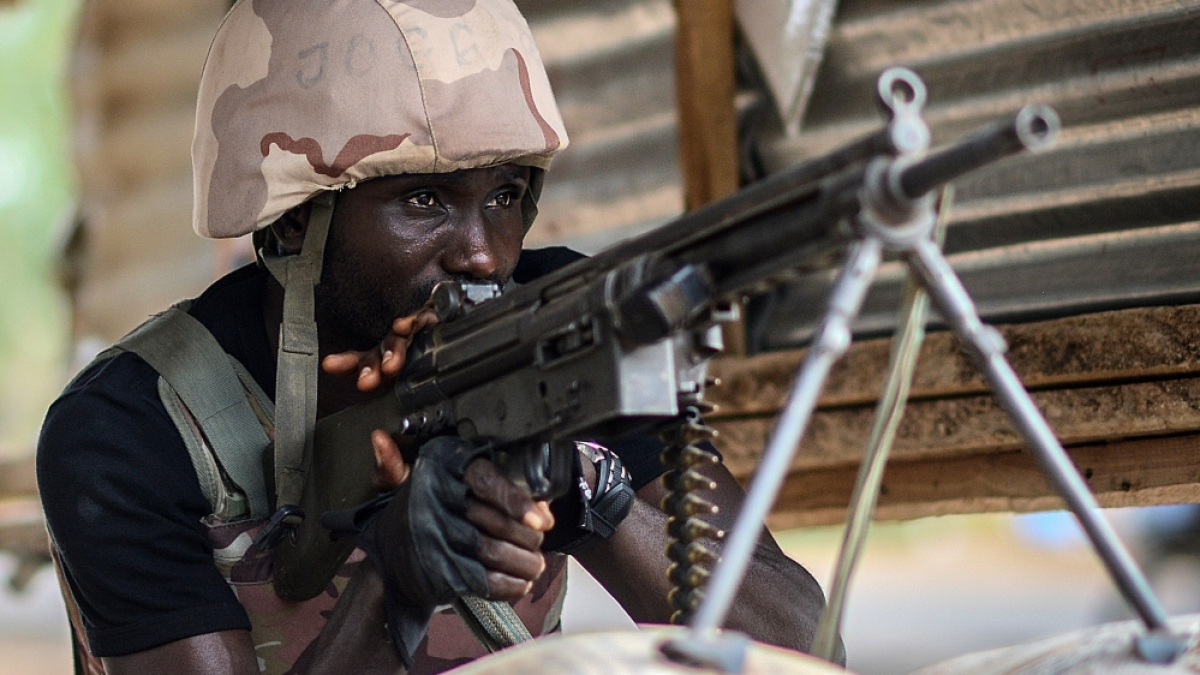
Armed attackers killed at least 29 people and destroyed property in Guyaku village, Adamawa State, in an assault that lasted several hours. The ISIL group claimed responsibility for the violence via a post on the Telegram messaging app, though authorities have not yet confirmed which of the two major ISIL-backed factions in Nigeria carried out the operation.
State Governor Ahmadu Umaru Fintiri visited the bereaved community on Monday to condemn the incident as an act of cowardice. In his statement, the Governor vowed that his administration would intensify security operations by working closely with military units and vigilante groups to prevent further loss of life in the area.
The violence in the northeast coincided with a separate raid on an unregistered orphanage in Lokoja, Kogi State, in north-central Nigeria. Gunmen targeted the Dahallukitab Group of Schools, an illegal facility operating without government knowledge, killing the proprietor's wife and abducting 23 children. Of those taken, 15 have since been rescued while intensive operations continue to secure the safe return of the remaining eight victims.
Tensions regarding the nature of the violence have been exacerbated by political rhetoric from US figures, including President Donald Trump, who have accused Nigerian authorities of failing to protect Christians. However, government data disputes the scale of religiously motivated attacks, noting that only 50 of 1,923 civilian attacks recorded between January and November 2025 were specifically targeting Christians due to their faith.
US military involvement in the region remains active, with forces having launched air strikes on ISIL-affiliated fighters in December and deploying 100 soldiers to northern Nigeria in February to train and advise local security forces. These efforts aim to bolster capacity against armed groups that target civilians across the country regardless of their religious affiliation.