IRIS report identifies state actors using climate crises to destabilise Europe
A May 2026 study by the Institute for International and Strategic Affairs reveals how foreign entities leverage heatwaves and floods to amplify false narratives, targeting the European Green Deal and sowing mistrust in public institutions.
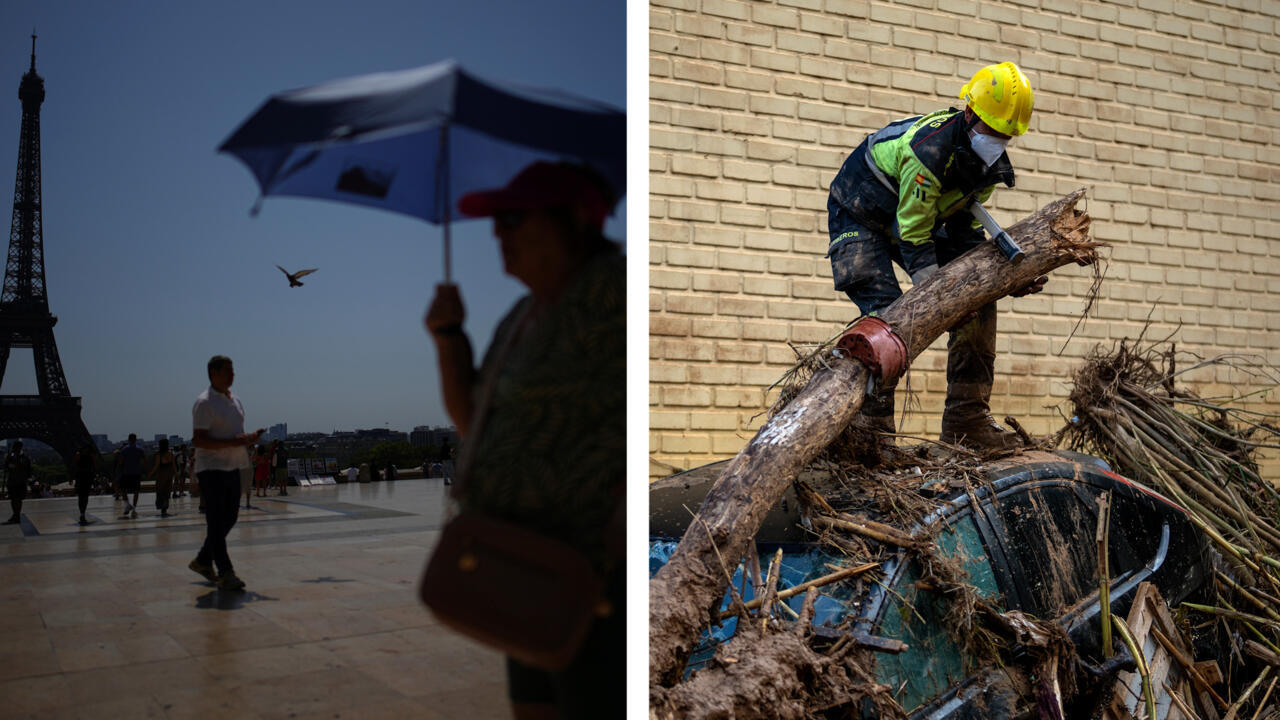
A report released in May 2026 by France’s Institute for International and Strategic Affairs (IRIS) identifies Russia, the United States, and China as state actors actively exploiting extreme weather events to spread climate disinformation and destabilise Europe. The study, titled “Climate Disinformation and Information Warfare: State Interference and Security Implications,” argues that foreign entities are increasingly using heatwaves, floods, and wildfires to amplify false narratives, turning environmental crises into strategic levers for geopolitical influence.
Mathilde Jourde, co-author of the report and head of the Climate, Environment and Security programme at IRIS, stated that information warfare latches onto polarising societal issues. With climate change becoming a central topic in European discourse, Jourde noted that foreign actors are utilising it as a tool for destabilisation. This trend has intensified alongside a rise in extreme weather, including France’s third major heatwave in mid-July 2026, which saw pro-Russian accounts spreading conspiracy theories linking European heatwaves to the HAARP programme, an old theory with no scientific basis.
The report highlights that Russia and the United States, both fossil fuel exporters, specifically target European climate policies such as the European Green Deal. By promoting narratives that question the efficacy of decarbonisation goals, these states aim to benefit from reduced regulatory pressure. For Russia, this disinformation serves broader strategic objectives amid ongoing tensions surrounding the war in Ukraine. During the 2024 Valencia floods, which killed more than 200 people, Russian sources circulated false emergency numbers and fake casualty figures to sow mistrust in authorities and weaken public support for Europe’s geopolitical stance.
US climate disinformation is described as more blatant, particularly since the start of President Donald Trump’s second term. The study cites instances where official government sites have censored terms like “climate change” and where fake data appeared in Department of Energy reports. Furthermore, conservative think tanks with government links, such as the Heartland Institute, have opened offices in London to influence European energy policy. Funded by ExxonMobil and Republican donors, the institute openly sceptises climate change and coordinates campaigns against environmental regulations.
China participates in these influence operations with a different approach, seeking to minimise its responsibility for climate change while highlighting its own response efforts. The report notes that China has engaged in operations during the 2023 Hawaii wildfires and the 2024 Spanish floods, often pointing to Western nations to deflect blame. Jourde warned that extreme weather events are a “precious blessing” for those perpetrating information warfare, as they allow bad actors to exploit public fear with minimal effort, creating rapid and widespread narrative dissemination.