Iraq’s Prime Minister Pledges Militia Disarmament as US Forces Prepare to Depart
Prime Minister Ali al-Zaidi and President Donald Trump agree on September 30 deadline for troop withdrawal and disarmament, amid escalating regional tensions and threats from Kataib Hezbollah.
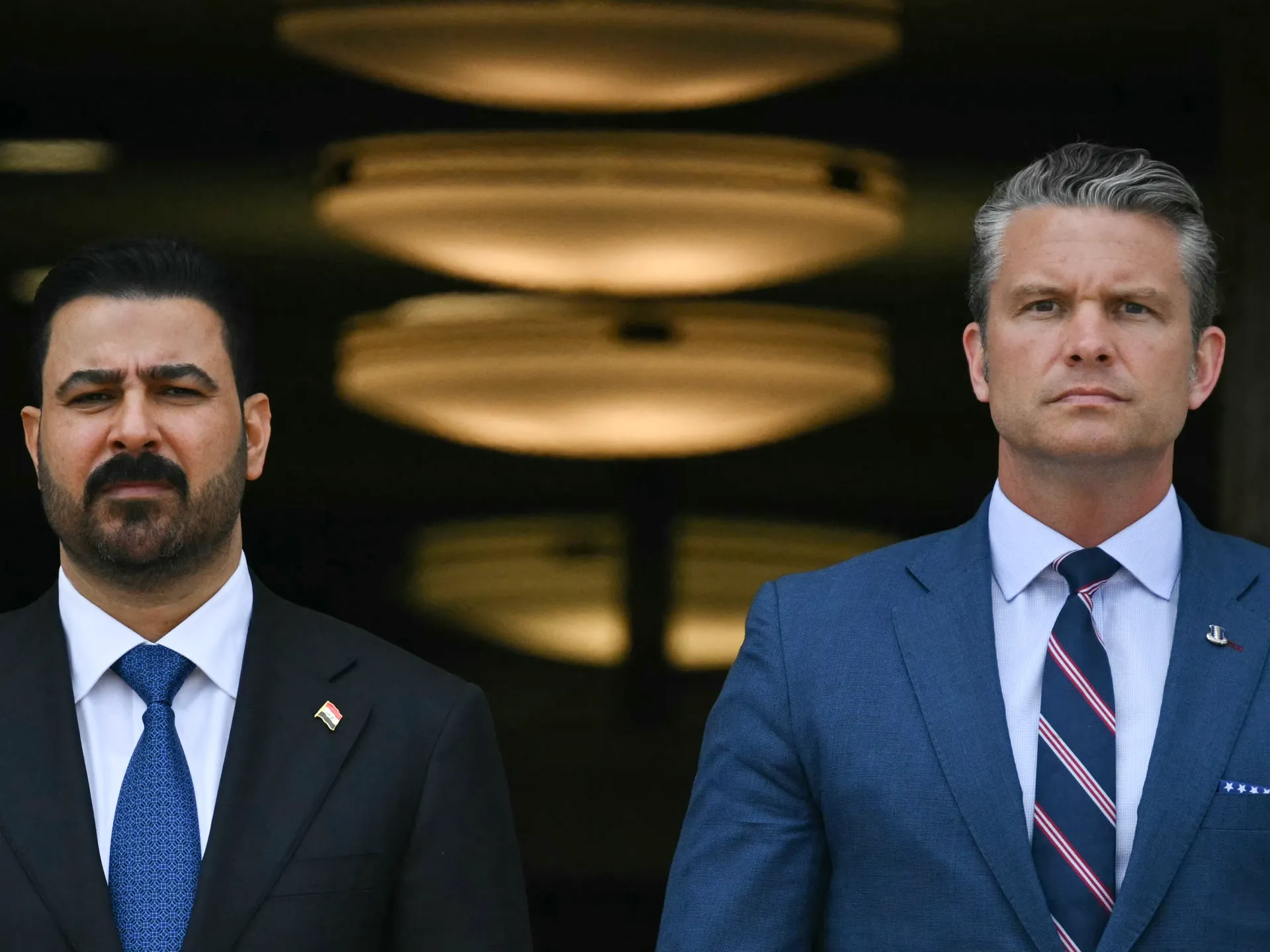
Iraqi Prime Minister Ali al-Zaidi visited the White House on Tuesday to meet US President Donald Trump and Secretary of Defense Pete Hegseth, marking a critical diplomatic mission aimed at securing economic partnerships and an International Monetary Fund loan of up to $8bn. The visit occurred against a backdrop of intensifying conflict between the United States and Iran, with Iraq-based allies of Tehran threatening to join the war. During the meeting, Trump and al-Zaidi pledged to deepen economic ties, boost Iraq’s oil output, and sign new energy agreements, with the US President describing the Iraqi leader as a "fantastic champion" for his country’s potential.
A central outcome of the diplomatic engagement was a joint announcement regarding the future of US military presence in Iraq. Both leaders confirmed that the remaining US forces, numbering fewer than 2,000 troops, would completely withdraw from the country by September 30. Al-Zaidi mirrored this timeline by pledging that armed factions active across Iraq would also disarm by the same date. The announcement comes following intense US pressure that led to the appointment of al-Zaidi, a 40-year-old banker with no prior political experience, after Washington vetoed former Prime Minister Nouri al-Maliki from contention.
Despite the cooperative tone of the Oval Office meeting, security concerns remained paramount. Shortly after the initial discussions, Secretary Hegseth met with al-Zaidi and issued a stark warning via social media, stating that Iraq "must assert its sovereignty and disarm the Iran-aligned militias." Hegseth cited frequent attacks on US forces as justification for the demand, highlighting the friction between Baghdad’s desire for economic stability and Washington’s security requirements amid the broader US-Iran conflict.
The pressure on Baghdad is compounded by the stance of groups such as Kataib Hezbollah, a major faction within the Popular Mobilisation Forces and part of Iran’s "axis of resistance." On Tuesday, an official for the group, Abu Mujahid al-Assaf, declared that participation in any war against Iran would be "immediate and certain," rooted in ideology and not open to negotiation. This threat underscores the difficulty for the Iraqi government in balancing its historical and religious ties with Iran against the demands of its powerful northern neighbour.
Analysts warn that Iraq faces significant risks in managing this dual-track relationship. Inna Rudolf, a senior fellow at the Centre for Statecraft & National Security at King’s College London, described the situation as a "managed interdependence" where formal state diplomacy coexists with autonomous channels of influence held by Iran-aligned networks. Rudolf cautioned that failure to balance these relationships could lead to security spillovers, political fragmentation, and economic fallout, potentially reducing Iraq’s diplomatic space and inviting proxy contestation on its soil.