Kenya High Court Rejects Rastafari Exemption for Religious Cannabis Use
The Kenyan High Court has dismissed a petition by the Rastafarian community to exempt them from strict narcotics laws, citing a lack of consensus on whether cannabis is essential to their worship.
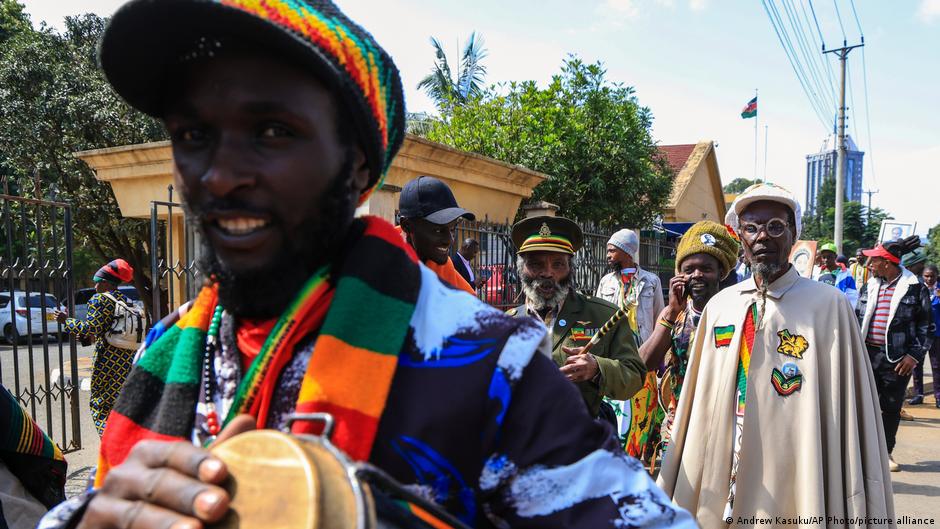
The Kenyan High Court in Nairobi has refused a request by the Rastafarian community to exempt them from the country’s strict narcotics laws, denying their bid to use marijuana for religious purposes. Judge Bahati Mwamuye ruled that the applicants failed to demonstrate that cannabis use is an essential component of their worship, noting that while witnesses agreed it is used as a sacrament, there was no consensus on whether its use is necessary or merely preferred.
The community, which has sought legal permission to smoke marijuana under constitutional rights to freedom of religion since 2021, argued that the herb is integral to their religious meditation. However, Judge Mwamuye determined that the evidence presented did not meet the threshold to bypass the nation’s drug laws. The ruling comes despite the community opening its first temple in the Nairobi area last August, following the effective recognition of Rastafarianism as a religion in Kenya in 2019.
During the proceedings, Judge Mwamuye highlighted the ubiquity of cannabis use in the country, stating that the current status quo appears untenable. He called for a broader national debate on Kenya’s drug policy, arguing that the issue cuts across society rather than being confined to a minority group. To illustrate the widespread consumption across various social groups, the judge quoted lyrics from Peter Tosh’s song "Legalize It", remarking that "judges smoke it, even lawyers do".
Kenya’s narcotics laws, rooted in British colonial legislation from the early 20th century, impose severe penalties for possession and trafficking. Possessing or smoking marijuana can result in fines of up to $2,000 or imprisonment of up to 10 years, or both. Trafficking or cultivating the plant carries even more stringent punishments, reflecting the draconian nature of the legal framework that the Rastafarians sought to challenge.
The Rastafarian movement, which originated in Jamaica in the 1930s, has historical ties to East Africa through its veneration of former Ethiopian Emperor Haile Selassie and cultural resonances with Kenyan independence fighters. Despite these connections, Rastafarians remain a minority in Kenya with no official statistics on their population numbers.
Community lawyer Shadrack Wambui stated that the group plans to appeal the High Court’s decision. The case underscores the ongoing tension between constitutional religious rights and colonial-era drug statutes in Kenya, a debate the judge suggested requires a "full and frank conversation" on the direction of national policy.