Iraqi President Nizar Amedi Appoints Ali al-Zaidi as Prime Minister-Designate to End Political Stalemate
The Coordination Framework's new choice is tasked with forming the next government after key rivals withdrew their candidacies
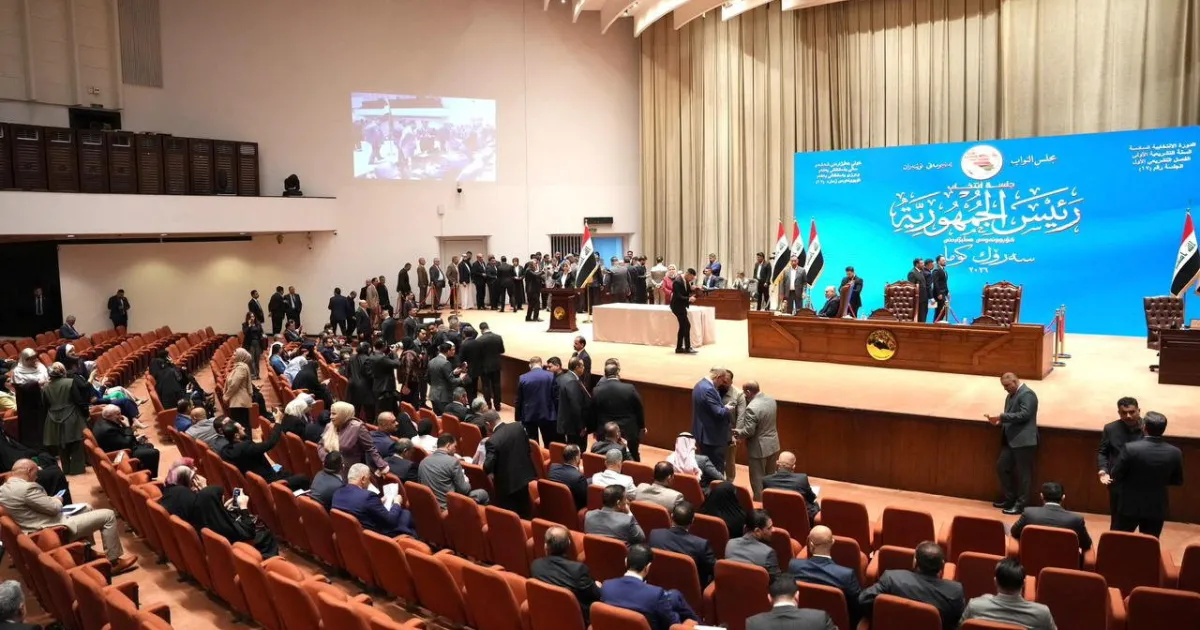
Iraqi President Nizar Amedi has officially named Ali al-Zaidi, a candidate of the Shia Coordination Framework, as prime minister-designate. This appointment marks a decisive shift in Baghdad's political landscape, ending a months-long deadlock that had stalled the formation of the next administration. The decision sees al-Zaidi tasked with the immediate responsibility of assembling a new cabinet to represent the country's largest parliamentary bloc.
The selection of al-Zaidi follows a significant change in the candidate landscape, occurring after both former Prime Minister Nouri al-Maliki and outgoing Prime Minister Mohammed Shia al-Sudani withdrew their candidacies. Al-Zaidi was subsequently chosen by the Coordination Framework following internal deliberations, positioning him as the preferred nominee to occupy the role of prime minister and lead the government formation process.
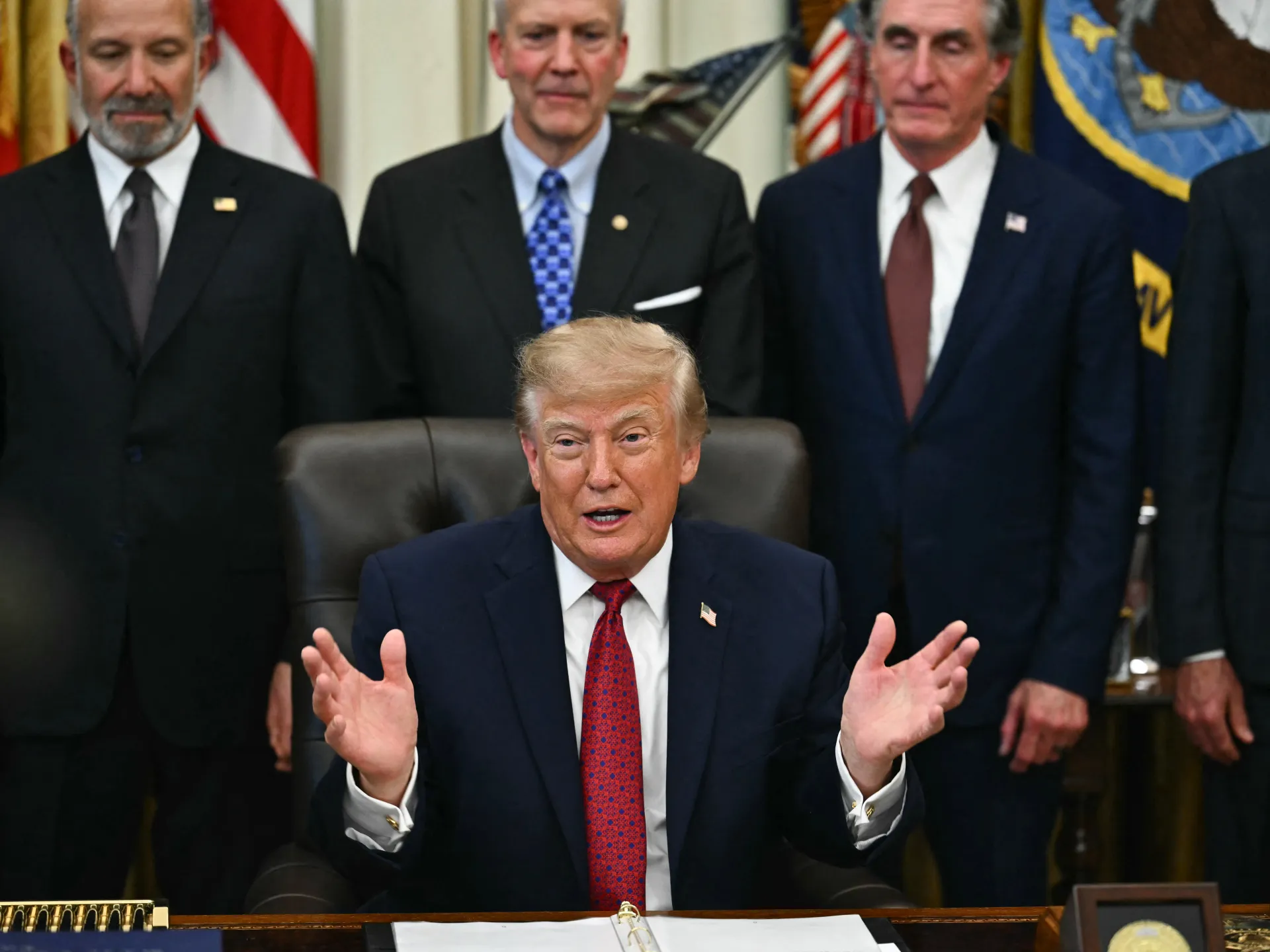
This outcome directly addresses a previous intervention by US President Donald Trump, who had strongly opposed the appointment of Nouri al-Maliki. The former two-time Prime Minister, a close ally of Iran, was the Coordination Framework's initial preferred candidate but faced fierce resistance from the US administration. Trump had explicitly warned that all US support to Iraq would be cut if al-Maliki were appointed, creating a security and diplomatic impasse that threatened to paralyse the nation's governance.
By selecting al-Zaidi instead, the Coordination Framework has sought to navigate the complex intersection of domestic political majorities and external security concerns. The bloc, which holds a majority in the House of Representatives, has now moved to appoint a figure who can advance their agenda without triggering the specific conditions that previously blocked their preferred choice. This strategic pivot aims to secure the necessary political capital to move forward despite the lingering influence of the US stance on regional alliances.
While the appointment clears the immediate hurdle of candidate selection, the specific timeline for when Ali al-Zaidi will officially assume office or complete the formation of the cabinet remains undetailed. The long-term stability of the new government will depend heavily on the Coordination Framework's ability to maintain internal unity and manage relations with other parliamentary factions. Furthermore, the administration must navigate the ongoing implications of the US policy shift regarding its ties to pro-Iranian leadership.
The move underscores the delicate balance required in Iraq's power-sharing arrangements, where parliamentary majorities must align with international security priorities to function effectively. As al-Zaidi prepares to take on the role, the focus now shifts to the practicalities of governance and the potential for sustained cooperation between Baghdad and Washington. The resolution of this specific deadlock provides a pathway forward, though the broader challenges of regional security and political cohesion remain significant hurdles for the incoming administration.