US reinstates naval blockade on Iran as Strait of Hormuz conflict deepens
Washington rescinds oil and banking waivers, removing 1.5 million barrels per day from global supply while Iranian rial hits record low amid escalating military strikes.
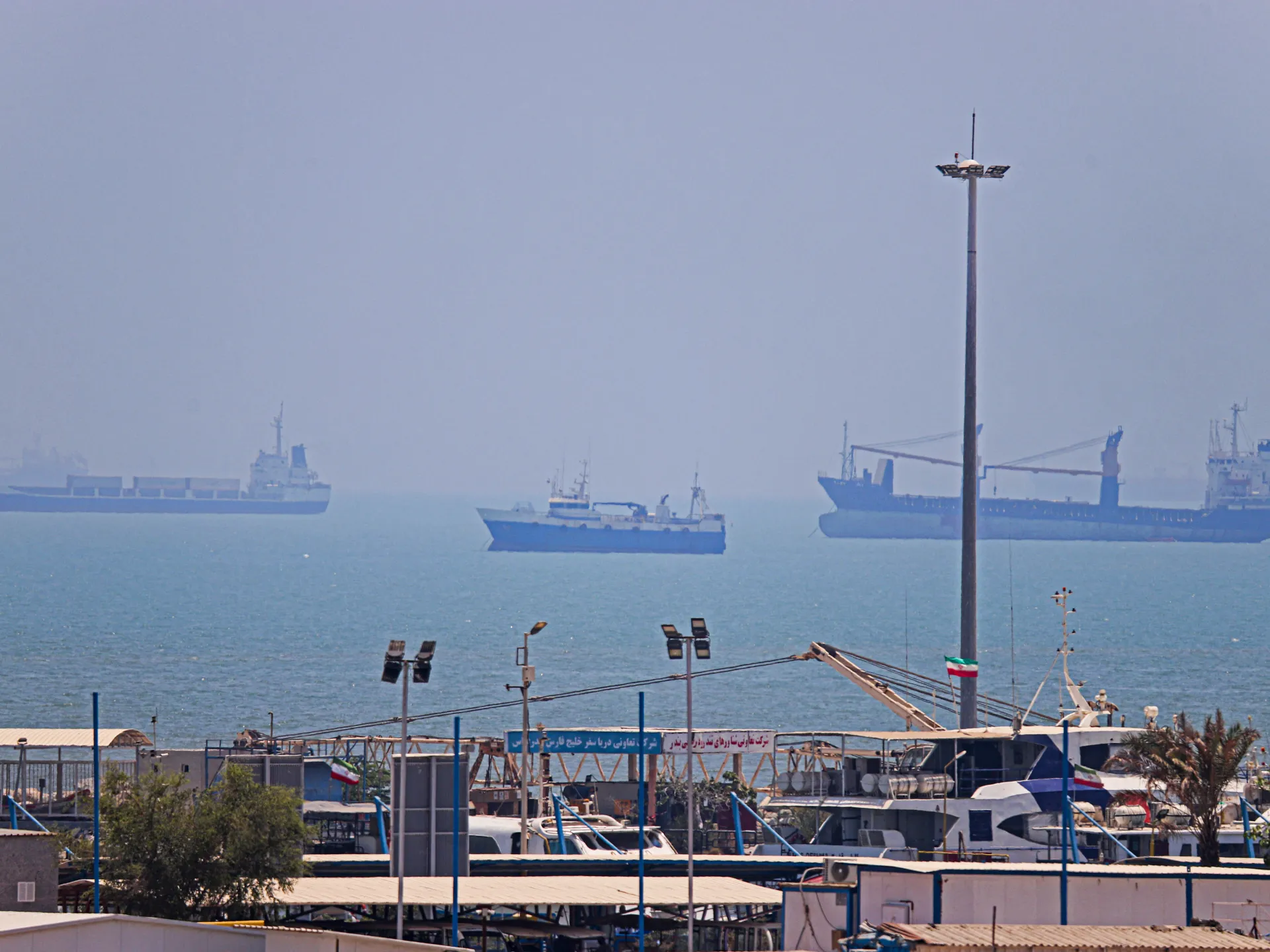
The United States has reinforced its naval blockade on Iran’s southern ports, reversing a June agreement that had temporarily lifted restrictions under a Memorandum of Understanding. The decision follows a week of intensified military strikes over control of the Strait of Hormuz, during which US Central Command redirected ships and launched operations to disable the Curacao-flagged supertanker Belma, allegedly transporting Iranian crude. The reinstatement of the blockade effectively nullifies the waivers that had allowed Iranian oil exports to resume, marking a significant escalation in the geopolitical standoff.
Energy analysts estimate the renewed siege will remove at least 1.5 million barrels per day of Iranian oil exports from the global market. This reduction in supply has pushed prices to approximately $90 per barrel, placing unprecedented pressure on global strategic reserves that were already strained by the conflict. The move signals a return to the restrictive measures first imposed in mid-April, which had previously halted Iranian exports entirely, as Washington seeks to leverage economic pressure against Tehran’s military capabilities.
The military escalation has resulted in significant damage to Iranian civilian infrastructure, including bridges, ports, and energy facilities. US forces struck the Aq Tekeh railway bridge in Golestan province, a critical route for imports from Central Asia and exports to China and Russia, although Iranian authorities claim the damage was quickly repaired. Iranian authorities have warned of retaliation against regional countries hosting US military bases if civilian infrastructure continues to be targeted, with analysts suggesting Iran may utilise Houthi groups in Yemen to disrupt shipping in the Bab al-Mandab strait.
Concurrently, the Iranian economy is facing severe instability, with the rial hitting a record low against the US dollar, trading at over 1.93 million rials to the dollar in Tehran’s open market. The Tehran Stock Exchange’s main index lost 120,000 points on Saturday, reflecting broader market uncertainty. Inflation has surged, with prices for basic foodstuffs such as eggs, chicken, and cooking oil more than tripling compared to a year ago, exacerbating the cost of living for over 90 million Iranians.
The breakdown of the June Memorandum of Understanding has led to a tit-for-tat escalation, with Kuwait and Bahrain heavily targeted by Iranian missiles and drones, while US forces continue to target provinces in southern Iran. The conflict has broadened the scope of the confrontation, with analysts noting that the current trajectory makes the situation increasingly intractable. As both sides maintain their military postures, the region faces prolonged uncertainty regarding energy security and diplomatic resolution.