Iraq and US formalise troop withdrawal and energy pivot by September deadline
The White House meeting confirmed that fewer than 2,000 US forces will depart Iraq by 30 September, contingent on the disarmament of Iran-backed militias, while signalling a strategic shift toward a comprehensive economic partnership focused on oil and gas development.
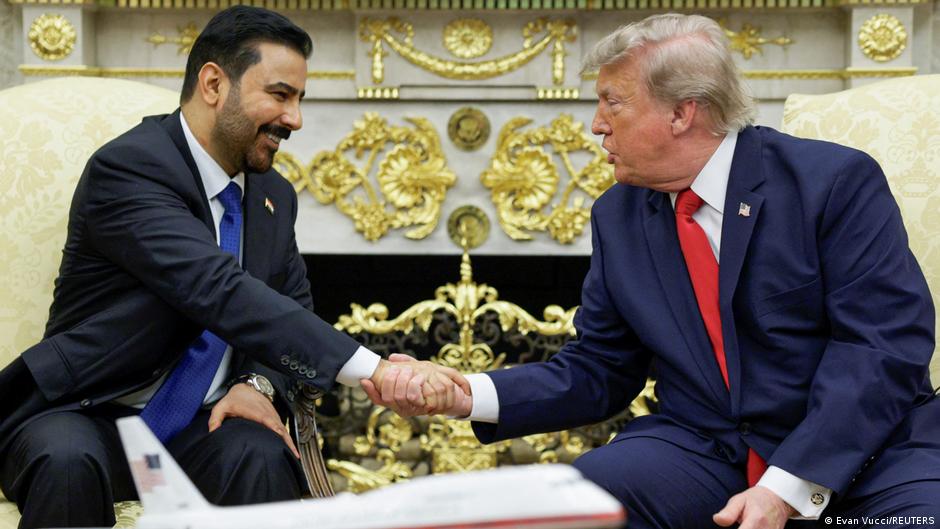
US troops are scheduled to complete their full withdrawal from Iraq by 30 September, following a strategic agreement reached between Iraqi Prime Minister Ali al-Zaidi and President Donald Trump during a meeting at the White House in Washington. The departure of the remaining forces, estimated at fewer than 2,000 personnel, marks a significant reduction from the approximately 2,500 troops previously deployed for counter-Islamic State operations.
Prime Minister al-Zaidi explicitly linked the military exit to domestic security reforms, stating that no entity would be permitted to bear arms outside the state after the deadline. This condition targets the disarmament of influential Iran-backed militias, a key prerequisite for the Iraqi government to consolidate state authority. "On September 30th, American forces will leave, and American companies will enter," al-Zaidi said, outlining the dual nature of the transition from military engagement to economic cooperation.
President Trump endorsed the timeline, noting that the US no longer viewed a military presence as necessary. "Well, we don't think we need the military there anymore," Trump said during the Oval Office meeting. He described Iraq as having "tremendous potential because of their oil" and committed to facilitating a series of agreements aimed at boosting production and creating jobs in both nations, although he provided no specific details on the scope of these future arrangements.
The diplomatic visit was primarily focused on securing substantial US investment in Iraq’s energy and power sectors. Al-Zaidi previewed the announcement of a formal "economic partnership" between the two countries, aligning with the Iraqi government's prior expectations for multiple oil and gas agreements. Trump referred to al-Zaidi as a "fantastic champion" and emphasised the mutual benefits of increased energy extraction and job creation.
Commercial interests are already being structured to support this pivot. Two Iraqi officials indicated that Iraq, alongside US firm Chevron, TI Capital, and Qatar’s UCC, are preparing to sign a deal on Friday. The agreement involves the construction of a 2 million-barrel-per-day oil pipeline linking Basra to Haditha, with extensions to ports in Turkey and Syria, representing a major infrastructure undertaking tied to the broader economic partnership.