Iraq accelerates solar adoption as energy crisis deepens amid Iranian gas cuts
With summer demand projected to outstrip supply by more than 10 gigawatts, Baghdad is relying on renewable incentives and private investment to mitigate blackouts, while industrial plants come online in Karbala and Basra.
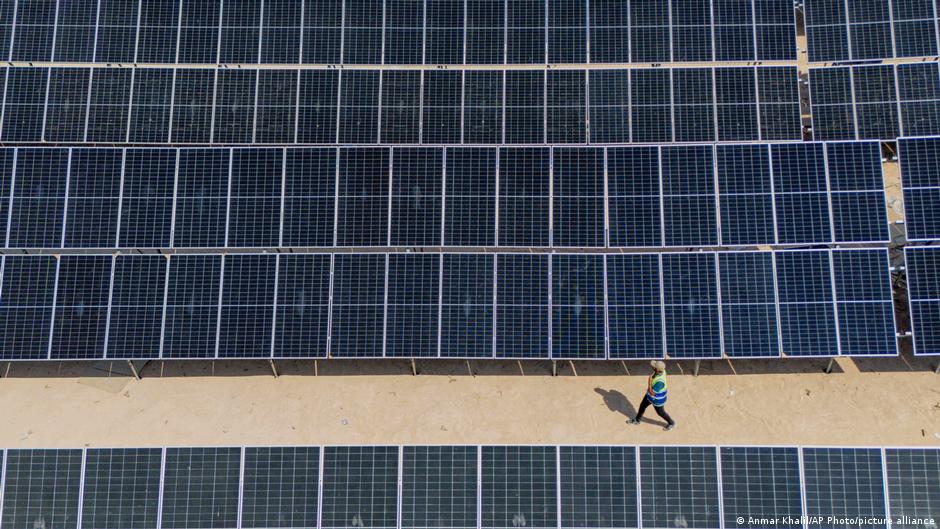
Iraq is rapidly expanding its solar energy capacity to address severe summer electricity shortages, a shift accelerated by a critical reduction in Iranian gas supplies and soaring costs for private generator subscriptions. Following attacks on Iranian gas fields in March that cut off a supply chain providing up to 40% of Iraq’s power station fuel, the government has implemented policy measures to facilitate a transition to renewables. These include reducing import duties on solar components from 33% to 5% and establishing a central bank loan scheme for citizens and small businesses to install solar systems.
The urgency of the situation is underscored by the widening gap between supply and demand. While the national grid currently produces approximately 29 gigawatts, regular demand sits at around 40 gigawatts, with summer peaks expected to reach between 54 and 62 gigawatts. With state-subsidised diesel insufficient and generator fees rising to between $100 and $300 a month for households in cities like Baghdad, private adoption is accelerating. Experts note that installing solar panels costs between 5 and 10 million Iraqi dinars, with users expecting a one-year payback period through the elimination of generator costs.
Industrial projects are also moving forward, with two major plants recently coming online. A 300-megawatt facility in Karbala has been operational since September 2024, while a 1-gigawatt plant in Basra became partially operational in March 2025, aiming for full capacity by 2028. This industrial push coincides with a surge in private imports, with Iraq’s imports of Chinese solar panels more than quadrupling between 2024 and 2025, making it the fifth-largest importer among Arab nations.
Despite these developments, energy strategists caution that solar power alone cannot resolve Iraq’s structural electricity deficit. Harry Istepanian, founder of the Iraq Climate Change Center, and Umud Shokri, a senior visiting fellow at George Mason University, emphasise that the crisis requires broader grid reforms, transmission upgrades, and institutional investment. They argue that while industrial parks are important, the state must also establish rooftop solar standards, certified installer frameworks, and clear rules for connecting private systems to the grid to effectively relieve pressure on the national network.
The transition is further complicated by broader economic and geopolitical pressures, including blocked oil exports via the Strait of Hormuz and delays in planned power imports from Gulf states. While the government has outlined plans to install solar panels on public buildings and reach 12 gigawatts of renewable capacity by the end of the decade, experts maintain that solar must be treated as one component of a multi-faceted solution rather than a standalone fix for a system strained by years of conflict and underinvestment.