Iran’s Water Infrastructure Under Strain as Drought and Conflict Deepen Crisis
Satellite data and official statements reveal a systemic collapse in water governance, with 31,000 villages abandoned and major urban centres facing severe supply deficits.
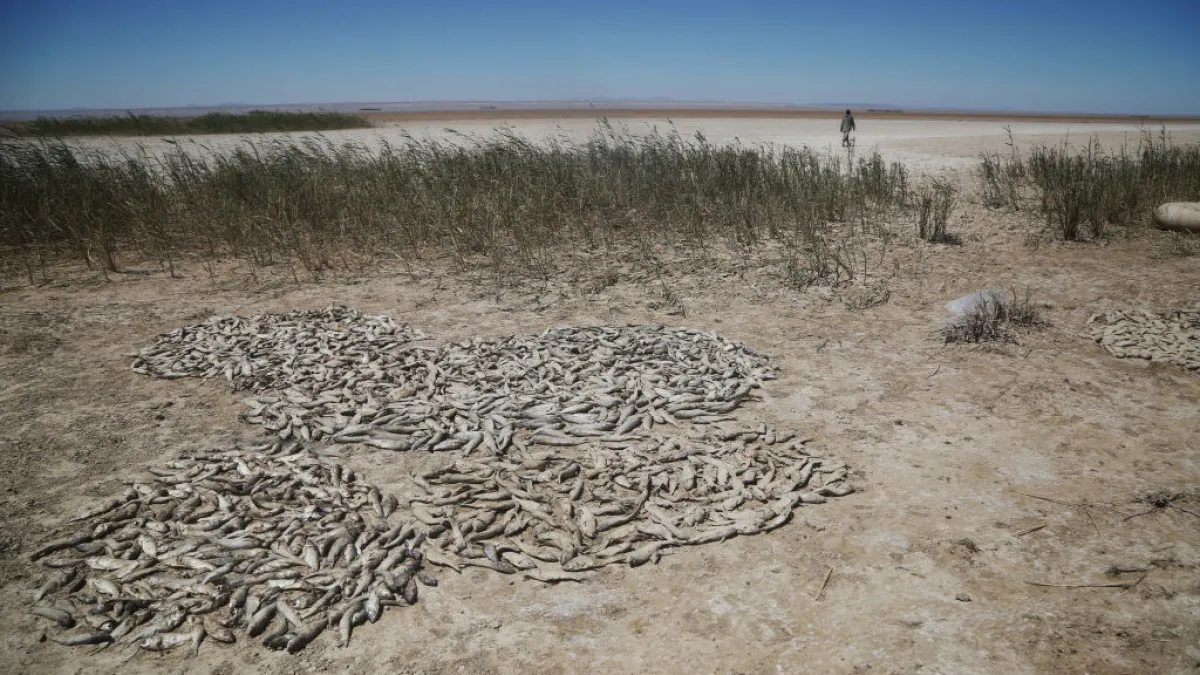
Iran is confronting a compounding water emergency driven by long-term environmental mismanagement and acute conflict-related disruptions. Satellite imagery confirms that Lake Urmia, the nation’s largest saltwater lake, has contracted to 581 square kilometres, representing less than 10 per cent of its 1990s coverage. This dramatic reduction is attributed to consecutive droughts, extensive dam construction, and unsustainable agricultural diversion, which have collectively depleted the lake’s inflows and surrounding aquifers.
The structural deficit in water supply is quantified by official data indicating that Iran’s population of 92 million consumed approximately 100 billion cubic metres of water in 2025. This figure exceeds the country’s renewable resources by 13 billion cubic metres annually. Agriculture accounts for 91 per cent of these withdrawals, a disproportionate share that highlights systemic inefficiencies in irrigation infrastructure and resource allocation.
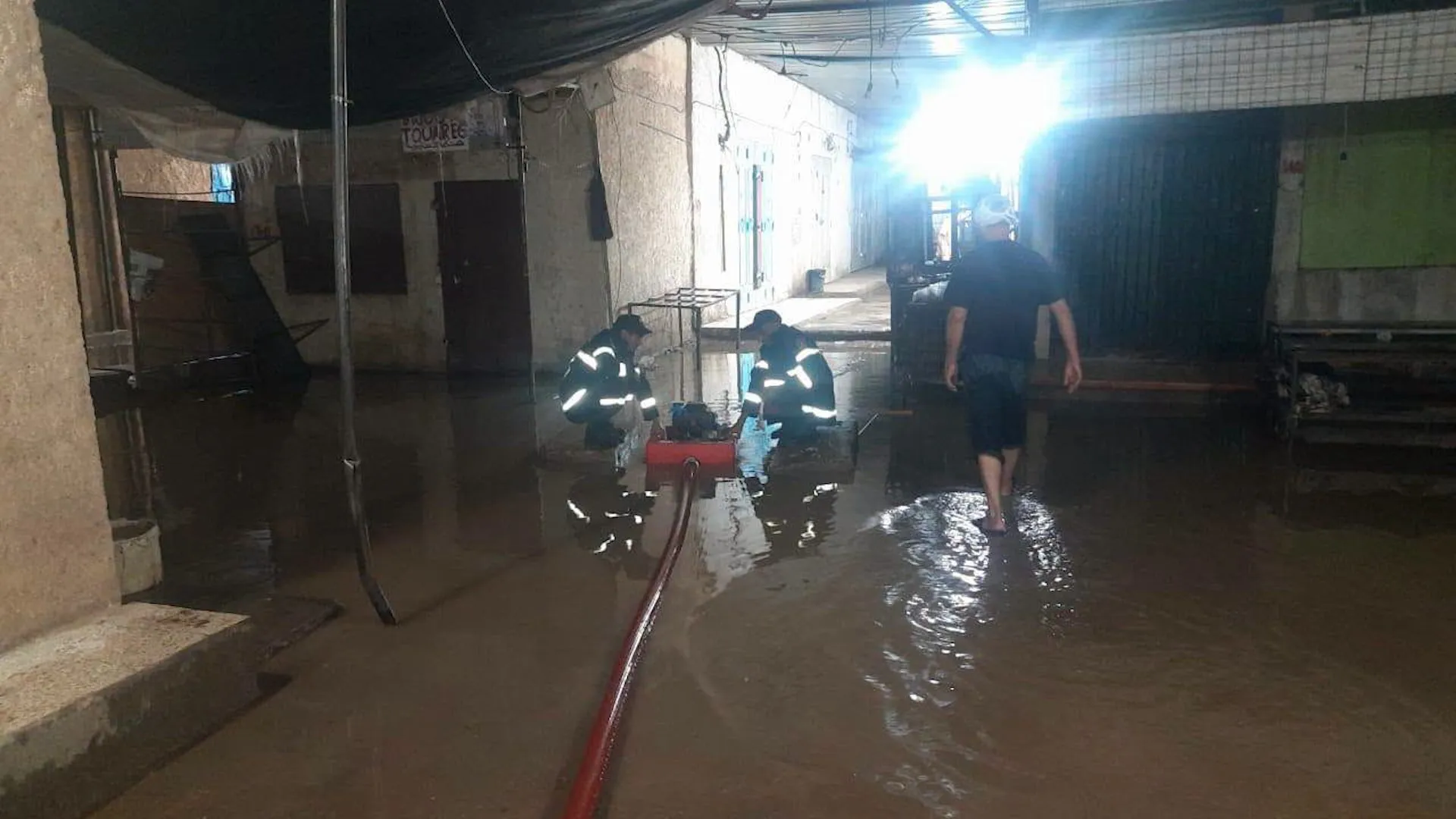
The ongoing US-Israel war has intensified this baseline stress through reported damage to critical civilian infrastructure. Early in the conflict, desalination plants, pipelines, and other water facilities sustained damage, further constraining supply. While desalination currently meets only 3 per cent of national demand—concentrated primarily in coastal regions—the disruption to these facilities removes a vital, albeit limited, buffer against scarcity.
Demographic shifts are now evident as water scarcity forces population movement. Vice President Abdolkarim Hosseinzadeh confirmed that 31,000 of the country’s 69,000 villages have been abandoned. Additionally, 27,000 villages, housing over 10 million people, are experiencing active water shortages. This exodus is driving significant migration toward major urban centres, including Tehran, Isfahan, and Mashhad.
These urban hubs are themselves under severe strain. Tehran, home to more than nine million people, relies on reservoirs such as Lar, Latyan, and Mamloo dams, which have reached critically low levels. Similarly, the Zayandehrud River in Isfahan has repeatedly run dry, exposing historic infrastructure like the Allahverdi Khan Bridge. The concentration of 75 per cent of the population on less than 40 per cent of the land area has created a governance challenge where demand vastly outstrips replenishment capacity.