Iran's supreme leader vows to safeguard nuclear and missile programmes amid US ceasefire claims
The Trump administration asserts hostilities have ended to bypass congressional approval, while Tehran maintains its strategic assets and tightens control over the Strait of Hormuz
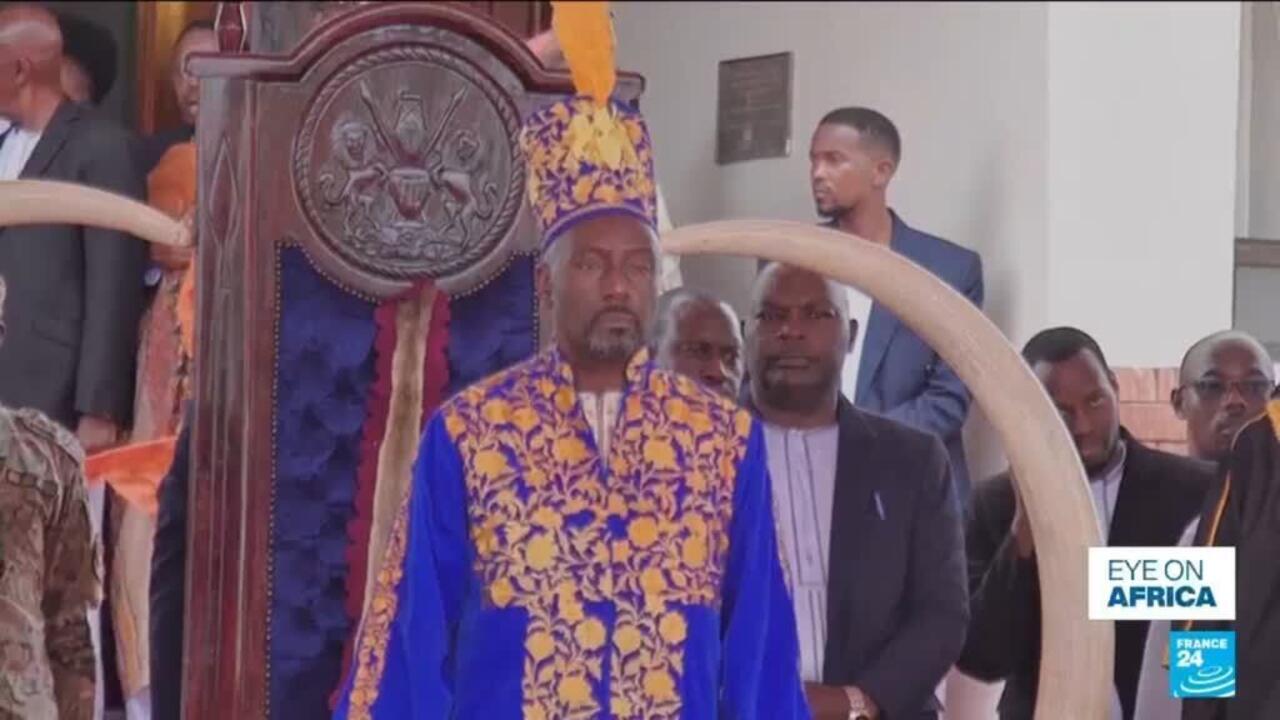
Ayatollah Mojtaba Khamenei, Iran's supreme leader, has issued a defiant statement vowing to protect the Islamic Republic's nuclear and missile capabilities. This declaration arrives as a direct counter to the US administration's efforts to curtail these strategic assets through airstrikes and diplomatic negotiations. The statement was read by a state television anchor, noting that Khamenei has not been seen in public since his father was killed in the opening airstrikes of the conflict.
The Trump administration argues that hostilities have terminated following a ceasefire that began in early April. This stance is intended to allow the White House to avoid seeking congressional approval for military action under a 1973 law. Defense Secretary Pete Hegseth testified in the Senate that the ceasefire effectively paused the war, supporting the claim that hostilities ended on Saturday, 28 February. A senior administration official confirmed that no fire has been exchanged between the US military and Iran since the two-week ceasefire began on 7 April.
Khamenei's statement included a severe threat that the only place Americans belong in the Persian Gulf is at the bottom of its waters. He described a new chapter being written in the region's history, reinforcing Tehran's resolve despite the pressure on its economy. Iran's economy is currently reeling from a US Navy blockade that prevents tankers from accessing international waters, squeezing the nation's oil industry.
Global oil prices have surged in response to the heightened tensions surrounding the Strait of Hormuz. Brent crude traded as high as $126 a barrel, driven by fears of disruption to the critical chokepoint through which a fifth of all global crude oil is transported. The Strait of Hormuz remains a vital artery for the world economy, and Iran's continued control over the passage adds significant volatility to global markets.
The conflict involves a wider deal aimed at cementing a shaky ceasefire while the US seeks to limit Iran's strategic assets. However, the specific nature of this wider deal remains unelaborated in current reporting. The divergence between Washington's legal interpretation of the ceasefire and Tehran's public rhetoric suggests the geopolitical landscape in the Middle East remains far from stable, with both sides maintaining firm positions on their respective objectives.