Iran’s post-war stability masks deepening institutional and economic crises
As a fragile ceasefire continues to be violated, Tehran grapples with hyperinflation, widespread repression, and the consolidation of power under Mojtaba Khamenei.
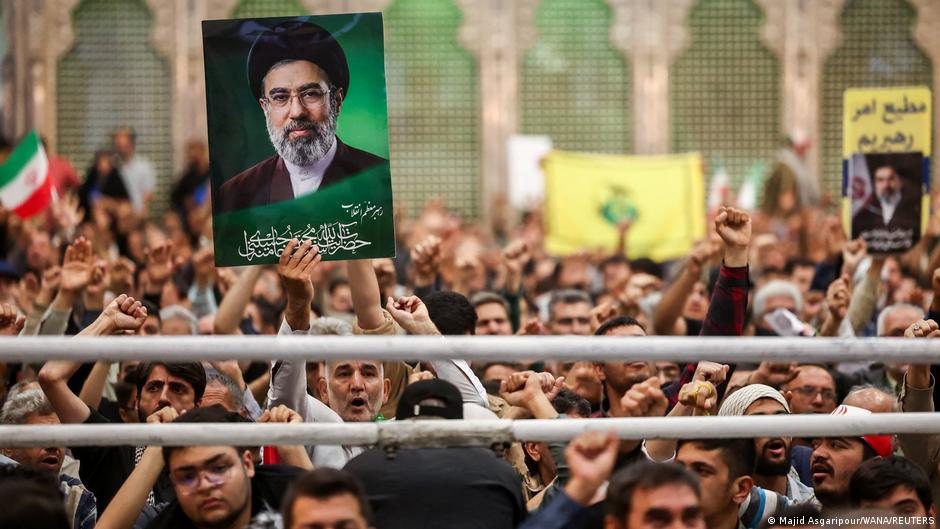
One hundred days after the United States and Israel launched joint airstrikes against Iran on 28 February, the Islamic Republic presents an outward appearance of stability, though underlying economic and social fractures are widening. The conflict resulted in the death of Supreme Leader Ayatollah Ali Khamenei and several senior political and military figures. In the aftermath, Iran’s Assembly of Experts appointed Khamenei’s son, Mojtaba Khamenei, as his successor, a move that has coincided with a notable, albeit temporary, cohesion among the country’s political elites.
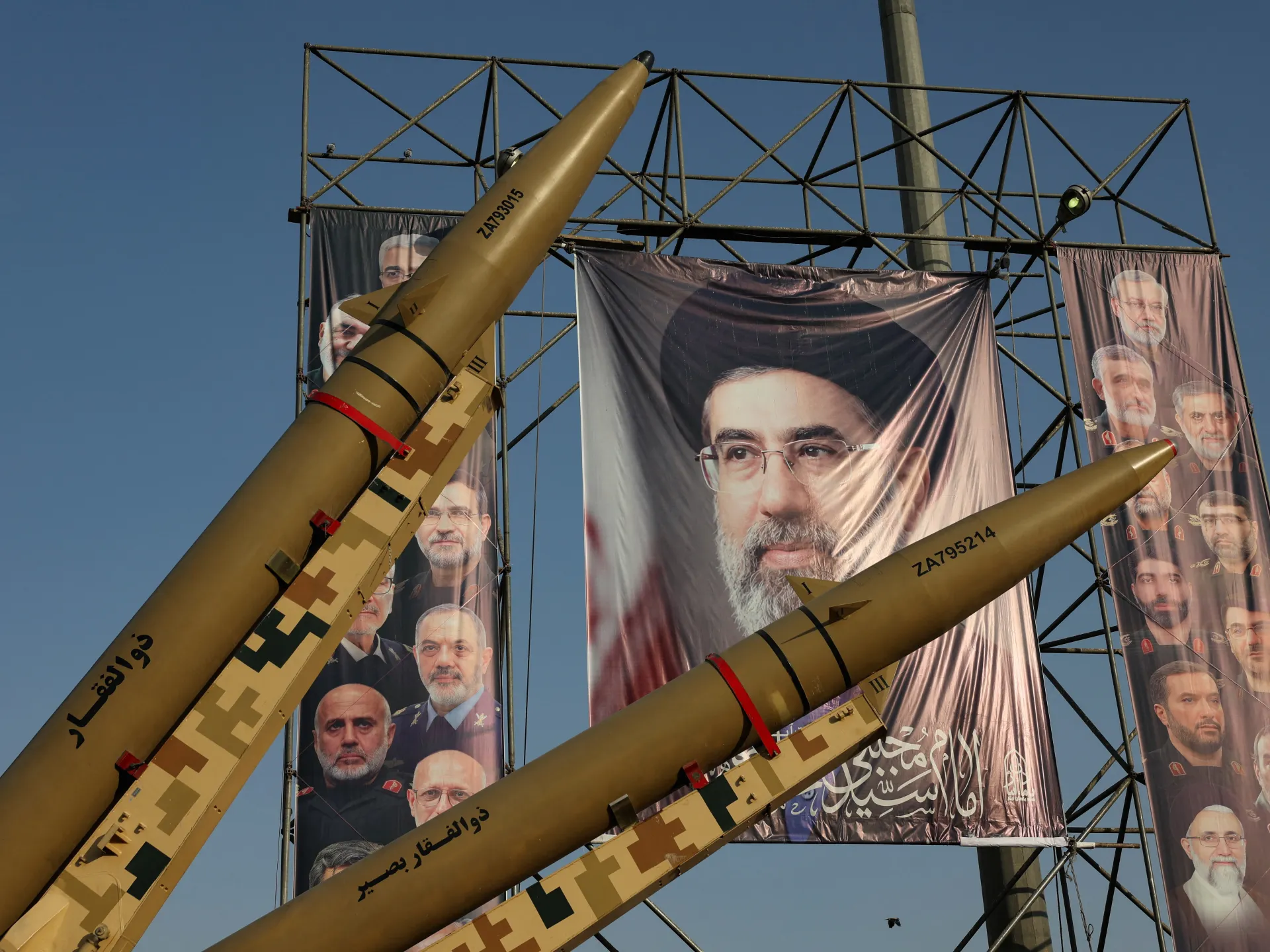
Tehran responded to the initial attacks with massive retaliatory strikes, deploying missiles and drones against Israel, US military bases, and other targets across the Gulf region. A significant geopolitical lever was also employed when Iran closed the Strait of Hormuz, a critical waterway through which approximately 20 per cent of global oil and gas exports previously passed. A fragile ceasefire came into effect on 8 April, but hostilities persist, with violations reported almost daily, indicating that the cessation of major combat operations has not translated into lasting security.
The domestic situation is characterised by severe economic strain. Inflation has surged to exceed 50 per cent, significantly eroding purchasing power. The conflict has devastated industrial sectors, with attacks on steel and petrochemical plants triggering chain reactions that have forced dozens of dependent businesses to suspend operations. Tens of thousands of jobs have been lost, and the legal minimum wage remains equivalent to under €75 ($87) per month, leaving many citizens unable to afford basic services.
Repression has intensified considerably during this period. According to Amnesty International, Iranian authorities have arbitrarily arrested more than 6,000 people, including protesters, journalists, lawyers, and human rights defenders. The rights organisation also reported that at least 39 political executions have been carried out since the start of the airstrikes. Human rights activist Shiva Nazar Ahari, who now resides in Slovenia, described the current level of repression as extremely severe, noting that uncertainty regarding decision-making structures within the regime may be its most destabilising feature.
Social unrest remains palpable despite government efforts to project control. Supporters have gathered in cities and villages for more than three months to demonstrate backing for the political system, but residents in Tehran describe these nightly rallies as exhausting and disruptive. A women’s rights activist in the capital noted that the gatherings are intended to show the regime has regained control of the streets following a January clampdown on anti-government demonstrations. Meanwhile, internet access was partially restored in late May following an 88-day nationwide shutdown, though many services remain restricted, complicating communication and access to information.
Iran expert Mohammad Ghaedi, a lecturer at George Washington University, told Deutsche Welle that while the war has eased some divisions among elites, the Islamic Republic still faces major challenges regarding legitimacy, effectiveness, and distribution. He cautioned that as concerns about security and survival recede, these underlying problems are likely to become more visible, making governance increasingly difficult. The initial hope among some disillusioned citizens that war might lead to regime change has largely dissipated, replaced by a sense of enduring instability and fear.