Iran’s National Security Council introduces paid internet access amid 80-day blockade
The introduction of the 'Internet Pro' service marks a significant escalation in digital repression, transforming connectivity into a luxury good for a privileged few as the economy suffers under prolonged isolation.
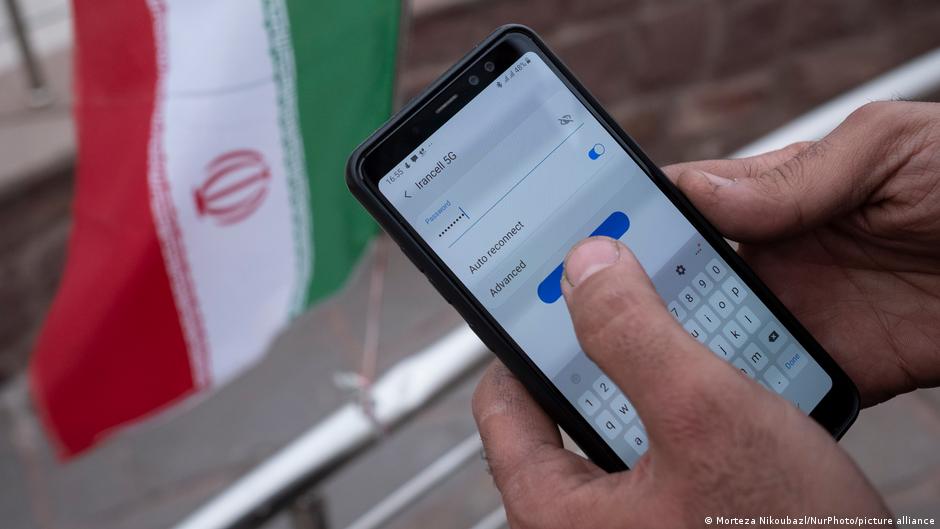
Iran’s National Security Council has approved a controversial plan to grant paid internet access to specific professional groups, including members of the Chamber of Commerce and technology companies, amidst an ongoing internet blockade that has now lasted more than 80 days. The shutdown, initiated following US and Israeli attacks on 28 February, has severely disrupted economic activity and communication across the country.
The new service, termed "Internet Pro," provides an initial package of 50 gigabytes of data for approximately $11, subject to daily limits on foreign websites and international data traffic. Government spokesperson Fatemeh Mohadscherani stated the measure is intended to "prevent disruptions to economic activity and ensure business communication in times of crisis." However, critics argue the policy transforms internet access from a public right into a privilege, excluding students and many women who rely on online sales for income.
Major platforms such as Instagram, X, and YouTube remain inaccessible to "Internet Pro" users without the use of a Virtual Private Network (VPN). According to journalist and internet researcher Solmaz Eikder, who works for the research initiative Filterban, the service does not represent a technical upgrade but rather a selective bypass of the block. She noted that the cost is significant given the economic pressure, with inflation exceeding 50% and the rial losing value against the dollar.
The economic impact of the shutdown extends beyond large enterprises. Millions of people, particularly women in small towns and villages selling products such as dried fruit and handmade clothing online, have been cut off from the digital economy. Tens of thousands of jobs have been lost due to destroyed industrial facilities and production losses, while small-scale online entrepreneurs face income opportunities wiped out by the block.
To address the "multiplicity of voices" and overlapping jurisdictions among agencies like the National Security Council and the Supreme Council for Cyberspace, a new crisis management team led by Vice President Mohammad Reza Aref has been established. However, its specific details and responsibilities remain undisclosed, with government officials expressly prohibited from publicly explaining the body's functions. President Masoud Pezeshkian has recently promised that internet service will soon be restored, though no specific timeline has been provided.