Iran’s January 2026 crackdown leaves thousands with permanent disabilities
Seven months after the peak of the uprising, victims report lasting injuries and economic hardship, while executions linked to the unrest continue.
The aftermath of Iran’s largest public uprising, which peaked in January 2026, has resulted in lasting physical and economic consequences for thousands of citizens. Security forces, including the Islamic Revolutionary Guard Corps, the Basij militia, and the Ministry of Intelligence, deployed live ammunition and beatings during the unrest. While Iranian authorities have officially claimed a death toll of over 3,100, the US-based Human Rights Activists in Iran has confirmed over 7,000 deaths, with Amnesty International suggesting the actual figure is likely higher due to internet shutdowns and pressure on families.
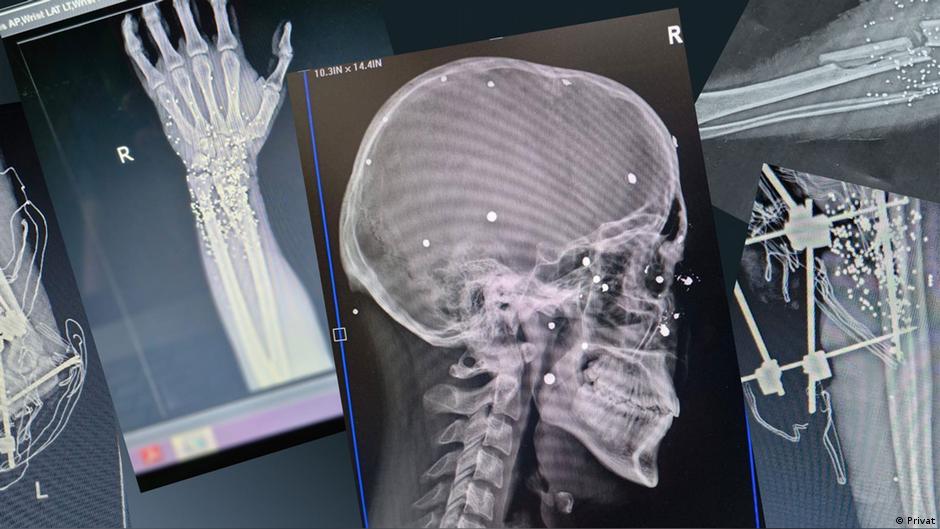
Medical professionals indicate that the severity of the injuries points to a deliberate use of force. Hamid Hemmatpour, a physician and board member of the Austrian Association of Health Professionals for Human Rights, estimates that several thousand people were injured, with the most common trauma occurring to the head, neck, and chest. He noted that the targeting of these areas by live ammunition and automatic weapons may indicate shooting with the intention to kill. In some instances, security forces resorted to knives and machetes in southern Tehran after their ammunition ran out.
Delayed or inadequate medical treatment has exacerbated the long-term impact on survivors. Fear of arrest and the insecurity of medical facilities forced many wounded individuals to seek treatment at home, leading to severe infections and complications. One protester, Massoud, died recently after months of untreated wounds from pellet injuries, while a 32-year-old woman, Mahla, remains unable to work following a shooting by Basij forces. Mahla, who is the sole provider for three children, has also been forced to leave her home due to financial pressure and rent increases.
The economic and psychological toll has disrupted the lives of many, including a 17-year-old named Ashkan, who lost a leg and an eye during the protests. Ashkan continues to suffer from complications due to fragments remaining in his head, while other victims, such as a teenage student who lost an eye and a pianist who lost the use of her fingers, have been unable to continue their education or professional careers. Human rights groups have documented cases where individuals were injured while shopping or returning from social events, rather than actively participating in the demonstrations.
Governance challenges persist as the regime continues to pursue legal action against those linked to the unrest. In the "Alikhani Square" case in Isfahan, 12 people were sentenced to death in July and August 2026, with five already executed. According to a UN report, at least 56 people have been executed on charges related to national security since March 2026, 27 of whom were protesters from the January uprising. The ongoing executions and the lack of precise figures for the injured highlight the continuing institutional pressure on the Iranian public.