Iran’s Hormuz tolls dismissed as illegal extortion under maritime law
Legal experts and international bodies distinguish between Iran’s natural strait and man-made canals, warning that the levy violates the UN Convention on the Law of the Sea.
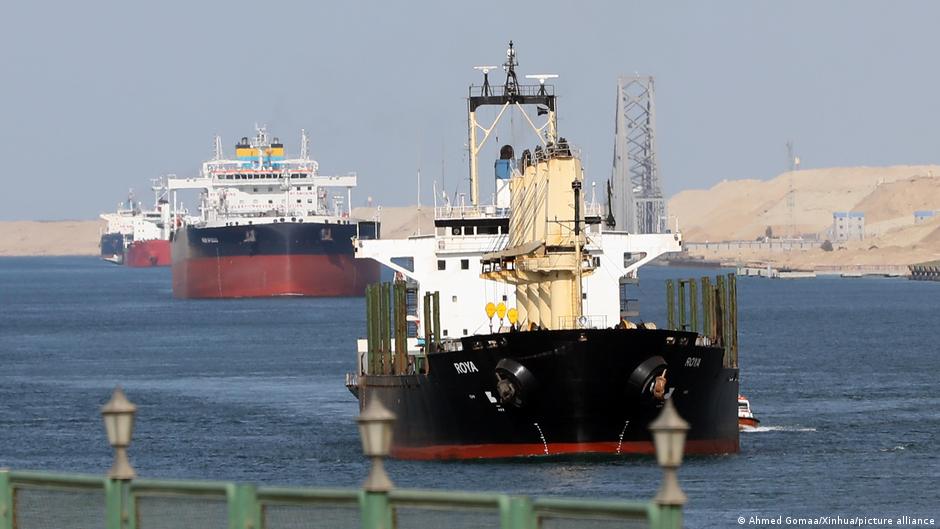
The Iranian regime has initiated a levy of up to US$2 million per vessel for transit through the Strait of Hormuz, a move that has triggered immediate and unified condemnation from the United States, China, Gulf states and major global shipping operators. Tehran has characterised the payments as war reparations for damage sustained during US-Israeli attacks, alongside fees for navigational services, environmental protection and enhanced security. Despite these justifications, the Institute for the Study of War has labelled the tolls a maritime protection racket, while the US State Department confirmed joint opposition with China to the scheme.
Under the United Nations Convention on the Law of the Sea, natural straits connecting two parts of the high seas are subject to transit passage rights, which permit vessels to move without delay or interference from coastal states. While coastal nations may impose limited service charges for pilotage or towing, they cannot levy full transit tolls. This legal framework stands in stark contrast to the governance of man-made waterways such as the Suez and Panama Canals, which are governed by specific treaties allowing tolls to cover maintenance and operational costs.
Egypt generates approximately US$4 billion annually from the Suez Canal under the 1888 Constantinople Convention, which explicitly permits tolls for upkeep and upgrades. Similarly, the Panama Canal Authority operates under separate treaties that allow fee collection for constant dredging and maintenance. Both operators typically charge less than half of the fees Iran is demanding, underscoring the disparity between legitimate infrastructure recovery costs and the punitive nature of Tehran’s proposed levy.
Other maritime chokepoints present complex legal landscapes, yet none support Iran’s position. Russia charges service tariffs on the Northern Sea Route under UNCLOS Article 234 regarding ice-covered areas, while Turkey is restricted to limited service fees under the 1936 Montreux Convention. Canada has considered fees for the Northwest Passage but faces consistent opposition from the United States. These precedents highlight that Iran lacks the legal standing to impose the comprehensive transit tolls it is currently demanding.
US President Donald Trump has insisted the strait must remain open as international waters, warning that shipping companies paying the tolls may face secondary sanctions. He also directed sharp rhetoric at Oman, stating it must behave like other nations or face severe consequences. As the US and United Nations develop post-war protection plans involving multinational naval patrols and demining operations, the Hormuz charging row remains a significant obstacle to reopening the corridor for global energy trade.