Iran’s healthcare crisis deepens as patients pay 70% of costs out of pocket
A combination of currency depreciation, US sanctions, and war-related supply chain disruptions has driven pharmaceutical prices up by over 100% in some cases, forcing Iranians to delay or abandon essential medical treatments.
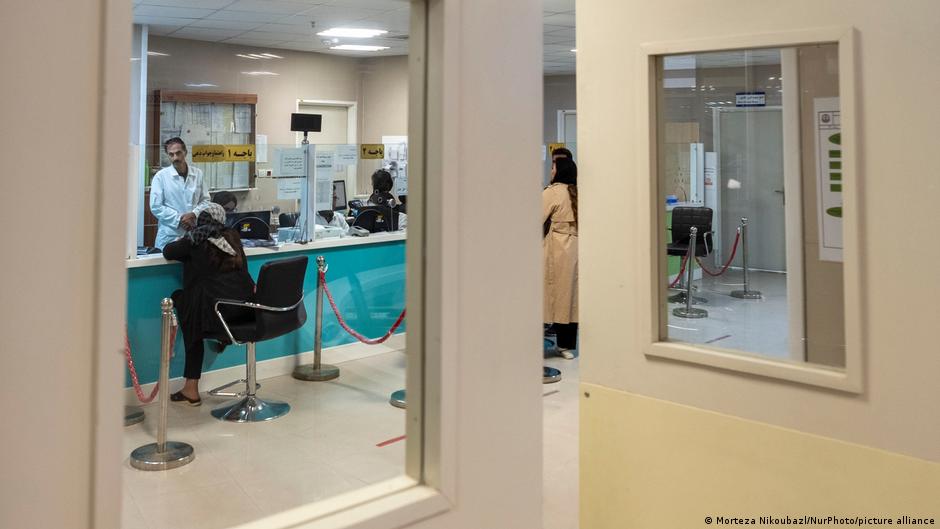
Iran’s healthcare system is facing a structural crisis as spiralling costs and persistent drug shortages force patients to defer or abandon critical care. A single chemotherapy session now costs approximately 100 million Iranian tomans, roughly six times the country’s monthly minimum wage of 16.6 million tomans. This financial burden has shifted the majority of healthcare expenditure onto individuals, with patients now covering more than 70% of costs out of pocket, a significant increase from the previous 30% share.
The scale of the price surge is evident in recent adjustments by domestic manufacturers. According to figures published by Tasnim News Agency, an Iranian pharmaceutical company recently announced price increases for 82 products, with the average price rising from 180,000 to 390,000 tomans. Specific medications have seen even steeper hikes, with donepezil increasing by approximately 543%, clarithromycin by 308%, and amoxicillin by 115%. For chronic conditions, the impact is severe; the cost of a monthly prescription of four NovoRapid insulin pens has risen from about 280,000 tomans to 1.1 million tomans after insurance reimbursement.
Shortages are compounding the financial strain. Salman Eshaghi, spokesman for the Health and Treatment Committee of Iran’s parliament, stated that around 43 medicines are in "critical shortage," while nearly 1,000 pharmaceutical products face some degree of scarcity. Eshaghi noted that rising prices for treatments for cancer, haemophilia, and thalassemia have already caused some patients to reduce or stop therapy altogether. The crisis is driven by a convergence of factors, including a weakening currency, US sanctions that complicate banking transactions, and disrupted supply chains exacerbated by ongoing conflict.
Mehdi Pirsalehi, head of Iran’s Food and Drug Administration, indicated that foreign currency transfers slowed dramatically after the war began, nearly coming to a standstill for one to two months. However, Abdolnaser Hemmati, governor of the Central Bank of Iran, countered that the amount of foreign currency allocated for medicines and medical equipment during the first five months of the current Iranian year was 30% higher than in the same period a year earlier. This discrepancy suggests that the issue extends beyond allocation, pointing to delays in payments, imports, and distribution within a system already under pressure.
As official channels struggle, patients are increasingly relying on unofficial cross-border sources for medication. Hamid Hemmatpour, an Iranian physician based in Austria and a member of the executive board of the Association of Healthcare Professionals for Human Rights-Austria, warned that these channels pose significant risks. He noted that patients often cannot verify whether drugs requiring refrigerated transport were stored correctly, or whether they are counterfeit or expired. For cancer patients, delays in accessing drugs like Keytruda (pembrolizumab), which can cost up to 300 million tomans for imported versions, can reduce the effectiveness of tightly structured treatment schedules.
The situation highlights the fragility of Iran’s healthcare infrastructure, which was already struggling with rising production costs and delayed insurer payments before the current geopolitical tensions. While similar shortages have affected countries such as Germany and the United States, Iran faces the brunt of multiple simultaneous pressures. For many patients, the result is a difficult choice between financial survival and medical necessity, with treatment increasingly postponed while families seek loans or alternative funding.