Iran’s fractured leadership debates US deal terms amid ongoing conflict
As the conflict with the United States enters its fourth month, Iran’s political and military establishment remains divided on how to proceed with negotiations, with the new Supreme Leader and IRGC commanders demanding maximalist concessions while the executive branch seeks a pragmatic ceasefire.
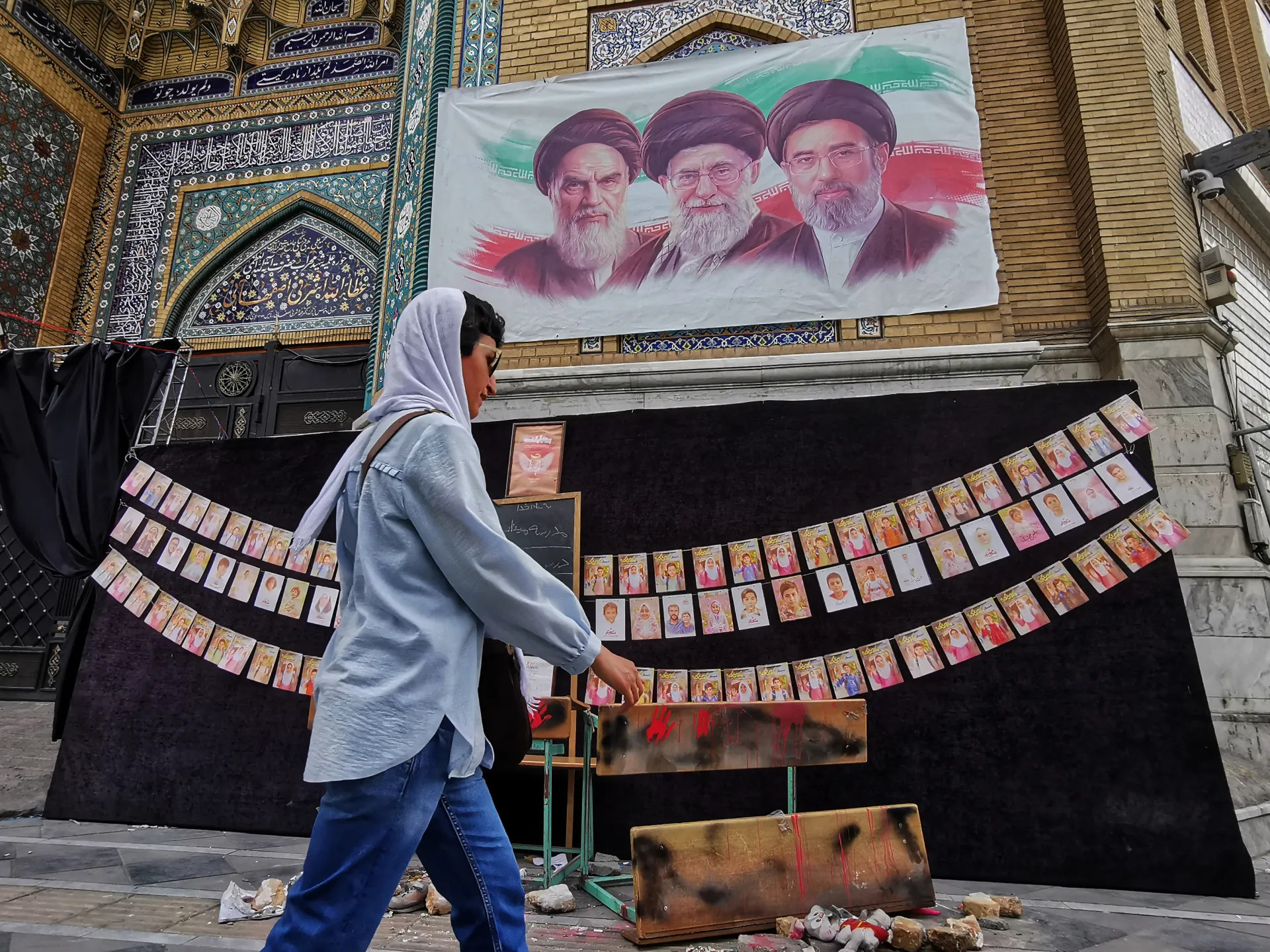
Iran’s leadership remains deeply divided over the terms of a potential agreement with the United States, rejecting the notion of capitulation while displaying stark differences in their strategic postures. More than three months into the conflict, Washington and Tehran have yet to resolve critical disputes regarding international transit through the Strait of Hormuz, the status of Iran’s nuclear programme, and the lifting of sanctions. Tensions remain volatile, with the US military and the Islamic Revolutionary Guard Corps (IRGC) continuing to exchange fire, and Tehran accusing Washington of violating the ceasefire reached in early April.
The theocratic and military establishment is now led by the son of the slain Supreme Leader Ayatollah Ali Khamenei, who was reportedly wounded in the same strikes that killed his father and other family members. Although he has not been seen publicly, attributed written messages indicate he does not oppose talks outright but insists the Persian Gulf’s future must be free of US influence. He has characterised Iran’s nuclear and missile programmes as national assets equivalent to territorial borders and has called for a “resistance economy” in anticipation of prolonged sanctions.
Military and security factions, particularly within the IRGC, maintain a hardline stance against major concessions. Commander-in-chief Ahmad Vahidi has emphasised deterrence and dominance, warning of a “destructive and hellish response” if hostilities resume. Meanwhile, former IRGC chief Mohammad Ali Jafari has outlined five specific conditions for any negotiations to proceed: an end to the war on all fronts, the lifting of sanctions, the release of frozen assets, war reparations, and recognition of Iranian sovereignty over the Strait of Hormuz.
On the political front, hardline figures such as Saeed Jalili of the Paydari Front oppose engagement unless Iranian power is formally recognised and guarantees are secured, arguing that long-term deals cannot rely on “trusting” the US. Conversely, President Masoud Pezeshkian, Foreign Minister Abbas Araghchi, and Parliamentary Speaker Mohammad Bagher Ghalibaf advocate for a pragmatic deal to end hostilities. Ghalibaf, who led the initial negotiation team in Pakistan, supports a negotiated peace while still railing against capitulation.
State media and IRGC-linked outlets continue to broadcast maximalist demands, including authority over Hormuz transit, vessel classification fees, and access to $12bn in frozen assets. Reports of an explosion in Tehran’s Andisheh district have been attributed by Israeli media to a targeted assassination of an IRGC general, while Iranian state media claims it was a gas leak, further complicating the security landscape as factions debate the path forward.