Iran’s diplomatic mandate structure defined by Supreme National Security Council
Al Jazeera reports that Tehran’s negotiators operate under a strict hierarchical framework, with mandates established by the Supreme National Security Council and requiring final approval from the Supreme Leader.
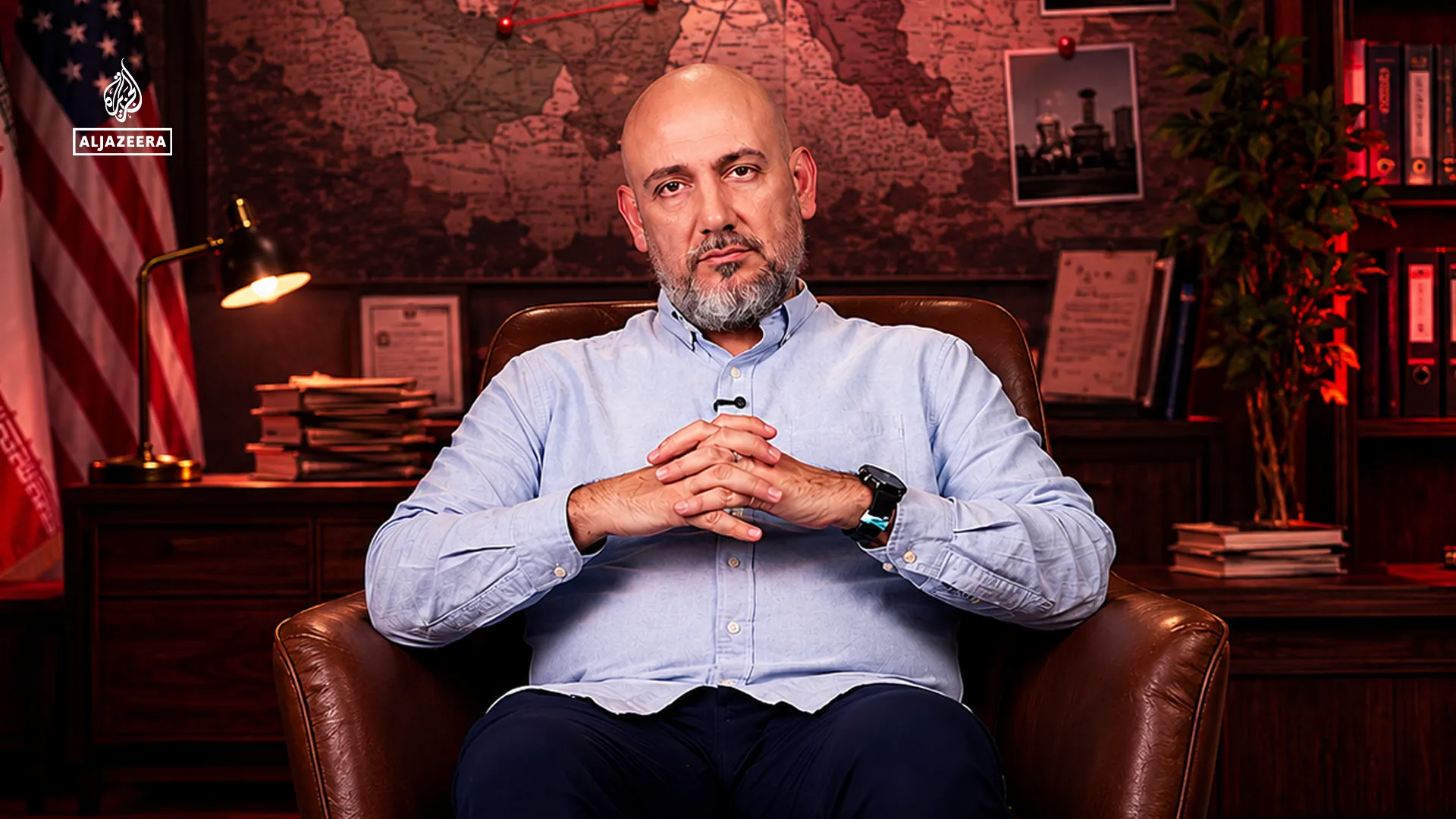
Iran’s approach to international diplomacy is governed by a rigid institutional hierarchy, according to reporting from Al Jazeera. The source material outlines that negotiators do not act on independent authority but rather operate under a mandate established by the Supreme National Security Council (SNSC). This body serves as the primary mechanism for defining the parameters of Iran’s diplomatic engagement.
The process extends beyond the SNSC’s initial formulation. Any mandate set by the council must receive final approval from the Supreme Leader. This dual-layer requirement underscores the centralized nature of Iran’s political and security decision-making, ensuring that all diplomatic outputs align with the highest levels of state authority.
This structure reflects the broader operational framework of the Iranian state, where security and foreign policy are inextricably linked. The SNSC’s role in setting the mandate highlights the institutional prioritisation of national security interests within the country’s diplomatic strategy. The Supreme Leader’s approval authority acts as the ultimate check on these negotiations, maintaining tight control over Tehran’s external engagements.
While the procedural mechanics are clear, the source does not specify the particular diplomatic mission or negotiation table to which this mandate applies. There is no information provided regarding the current status of specific talks, the identity of the individuals acting as negotiators, or the substantive content of the mandates in question.
The reporting, derived from a video summary by Al Jazeera Global News, provides a factual account of the institutional rules governing Iranian diplomacy. It confirms the established protocol without offering new details on personnel changes or specific policy shifts. The emphasis remains on the structural consistency of Iran’s decision-making apparatus rather than on discrete events.
This clarification of the mandate process offers insight into the constraints within which Iranian diplomats operate. The requirement for SNSC establishment and Supreme Leader approval ensures that diplomatic flexibility is limited by the need for high-level consensus. This framework remains a constant feature of Iran’s governance, regardless of the specific international issues at hand.
The source material does not verify the effectiveness of this mandate in practice, nor does it detail how negotiators navigate potential discrepancies between the established mandate and on-the-ground diplomatic realities. The focus remains strictly on the formal institutional requirements that define the scope of Iran’s diplomatic authority.