Iran’s chief negotiator proposes US collaboration to reopen Strait of Hormuz
Tehran’s lead diplomat outlines a joint reopening effort with Washington while warning that the geopolitical landscape of the chokepoint has fundamentally shifted.
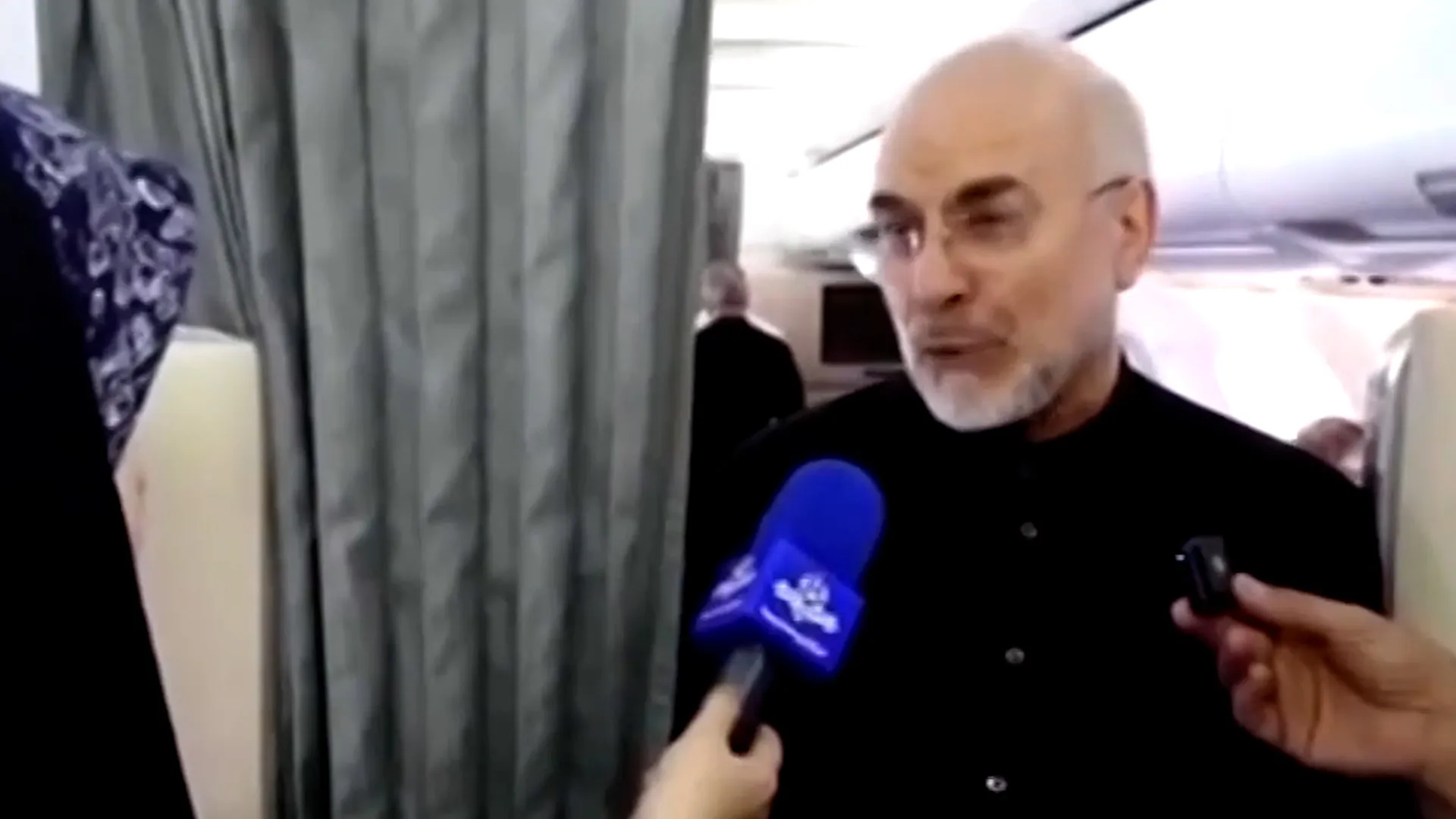
Iran’s chief negotiator, identified as Ghalibaf, has outlined a framework for diplomatic cooperation with the United States to facilitate the reopening of the Strait of Hormuz. Speaking to Al Jazeera Global News, Ghalibaf suggested that bilateral collaboration between the two nations is a viable pathway to restoring navigation through the critical maritime chokepoint.
However, the Iranian official provided a stark caveat regarding the future state of the waterway. Ghalibaf explicitly stated that the Strait of Hormuz will never return to its pre-war conditions, indicating that any restored operations will occur within a significantly altered strategic and security environment.
The reference to a "pre-war" state implies that the strategic waterway has recently been affected by conflict, although specific details regarding the nature, timeline, or extent of this conflict were not provided in the source material. The current operational status of the Strait is understood to be disrupted, necessitating the proposed diplomatic intervention.
Ghalibaf’s remarks position the United States as a necessary partner in the resolution process, despite the historical tensions that typically characterise relations between Tehran and Washington. The proposal for joint efforts to reopen the passage suggests a pragmatic approach to resolving the immediate disruption, even as the underlying geopolitical realities have changed.
By asserting that the pre-war status quo is irretrievable, Ghalibaf signals that the reopening of the Strait will not simply be a return to previous norms but rather the establishment of a new operational baseline. This distinction underscores the permanent shift in the security architecture surrounding one of the world’s most vital energy transit routes.
The comments were delivered in a video newsfeed summary, meaning the full nuance of the negotiator’s position may extend beyond the summary provided. Nevertheless, the core message remains clear: while cooperation is possible, the era of the Strait’s previous stability has ended.