Iranian regime holds firm three months after Khamenei’s death as ceasefire talks advance
As the United States and Iran appear closer to extending a fragile truce, the Iranian government remains structurally intact despite the killing of Supreme Leader Ali Khamenei, which triggered the three-month conflict.
Three months after the United States and Israel killed Supreme Leader Ali Khamenei, an event that the source attributes as the trigger for the war, the Iranian regime remains standing. On Thursday, diplomatic channels indicated that the United States and Iran were closer to a deal extending the ceasefire, which originally began on 8 April. The development marks a significant phase in the conflict, as negotiations continue amid ongoing military posturing and regional tensions.
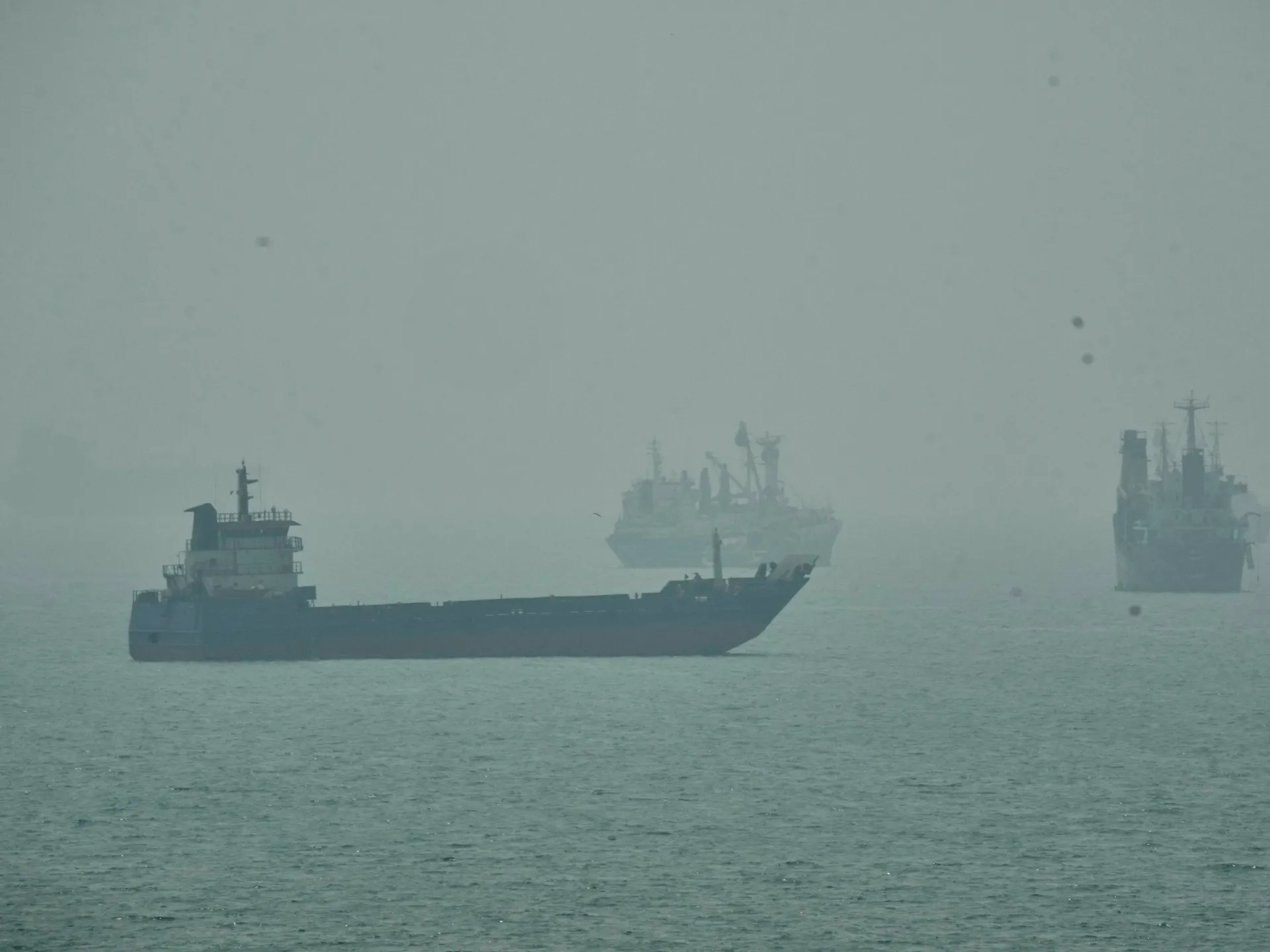
The current diplomatic momentum follows a period of heightened military activity. On Monday, US forces conducted strikes on missile sites and vessels in southern Iran. United States Central Command cited self-defence against threats from Iranian forces as the justification for the attacks. These strikes occurred concurrently with the arrival of Iranian negotiators in Doha for high-stakes talks aimed at ending the three-month-long conflict, raising concerns that the military actions could undermine the fragile ceasefire.
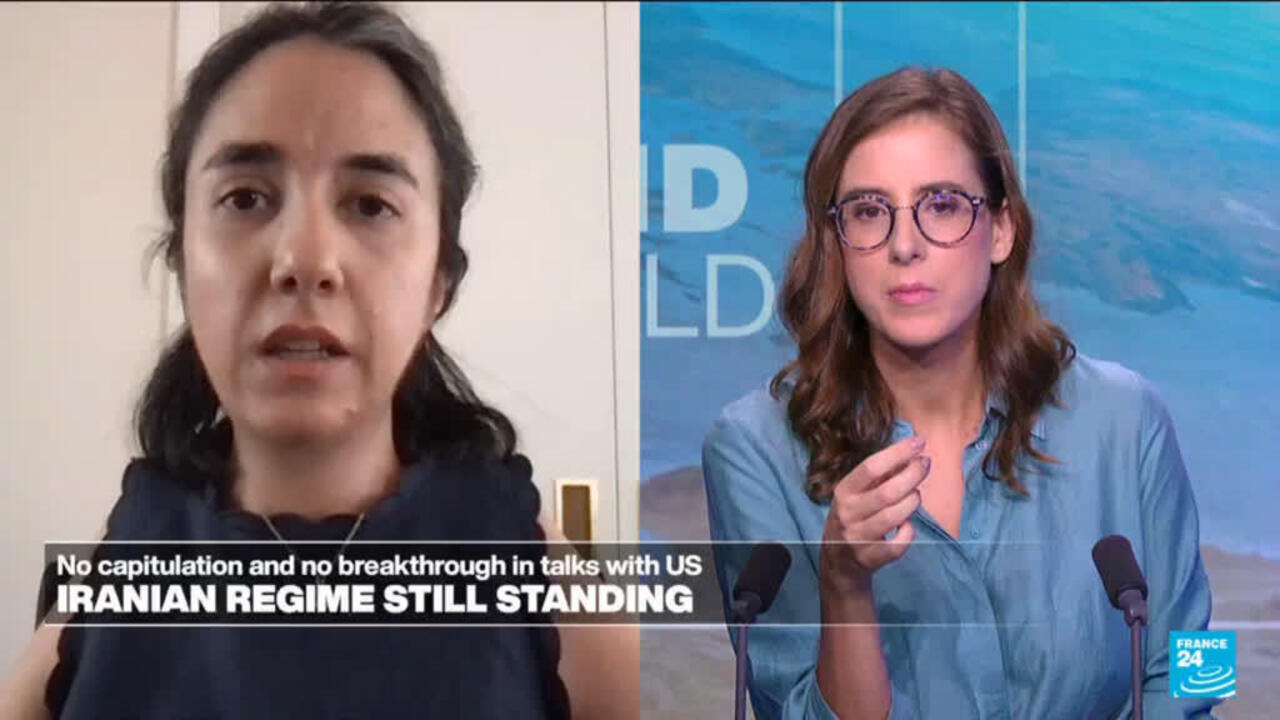
The stability of the Iranian political structure has been a central point of analysis since the death of Khamenei. FRANCE 24’s Nadia Massih discussed the situation with Dr Ahou Koutchesfahani, a scholar specialising in Iran and international relations. The discussion focused on where Iran stands three months after the event that precipitated the war, with observations confirming that the regime has not collapsed despite the loss of its supreme leader.
Tensions have also expanded beyond the immediate Iran-US theatre, involving Cuba. The Cuban government has warned of a 'bloodbath' if the United States proceeds with further attacks. In response to regional escalations, Washington has imposed new sanctions on Cuba’s intelligence agency and senior officials. These measures follow reports that Havana has acquired over 300 military drones from Russia and Iran, prompting the US Treasury to sanction the intelligence agency, nine Cuban nationals, and several top Communist Party officials and generals.
The convergence of ceasefire negotiations, recent military strikes, and expanding sanctions highlights the complex geopolitical landscape. While the United States and Iran appear closer to an extension of the truce, the underlying security dynamics, including the acquisition of military hardware by third parties and the justification for US strikes, suggest that the conflict remains volatile. The coming weeks will be critical in determining whether the diplomatic progress in Doha can sustain a lasting cessation of hostilities.