Iranian parliament weighs exit from Nuclear Non-Proliferation Treaty
Lawmakers have submitted a proposal to leave the NPT, a move experts describe as a diplomatic lever rather than an immediate policy shift.
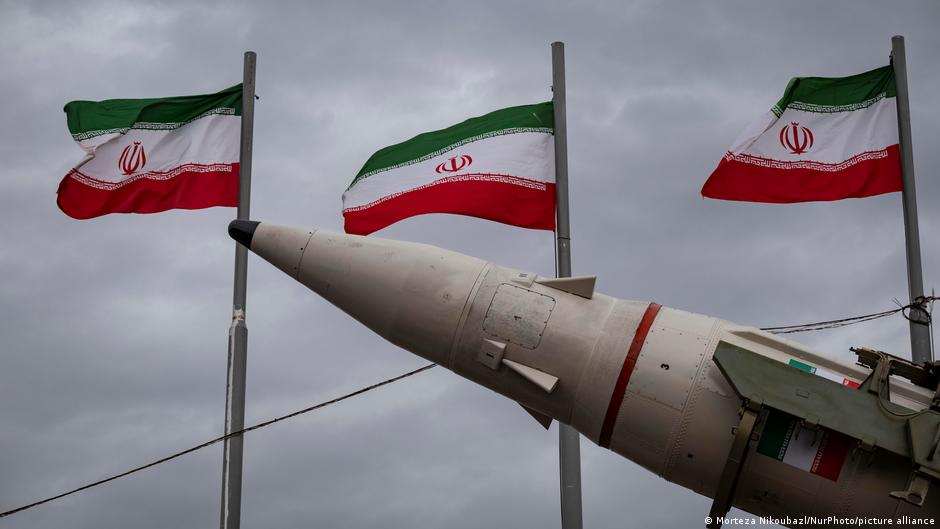
Iranian parliamentarians have formally submitted a proposal to withdraw from the Nuclear Non-Proliferation Treaty (NPT), reigniting a debate that has surfaced repeatedly during periods of tension with Western governments. MP Ghasem Ravanbakhsh confirmed that the proposal is currently under consideration by the legislature, while Ebrahim Rezaei, a member of the National Security and Foreign Policy Commission, characterised withdrawal as the "best response" to increased economic pressure from the United States.
The legal basis for the move rests on Article X of the treaty, which allows any of its 191 member states to exit if they believe extraordinary events have placed their supreme national interests at risk. Under this provision, a state must provide three months' notice to the UN Security Council and other members, explaining its reasons for leaving. Although the process is legally feasible, analysts suggest that the threat of withdrawal may serve Tehran better than an actual exit, offering diplomatic leverage without the immediate consequences of a formal break.
Context for the renewed debate includes stalled negotiations over Iran's uranium enrichment programme and its significant stockpile of highly enriched material. According to the International Atomic Energy Agency (IAEA), Iran holds approximately 440 kilograms of uranium enriched to 60% purity, a technical step away from the 90% level considered weapons-grade. Following US and Israeli strikes on Iranian nuclear facilities in June 2025, inspectors were unable to verify the location of much of this material, complicating the oversight regime.
Tehran has already reduced international scrutiny by suspending IAEA inspector access. In July 2025, President Masoud Pezeshkian signed legislation halting inspections until the "security" of nuclear facilities is guaranteed. Shahin Modarres, an international security analyst at LUISS University in Rome, argues that this current position is strategically advantageous. "By remaining formally within the NPT while limiting inspections, Iran can maintain uncertainty about its capabilities and intentions without openly leaving the global non-proliferation system," Modarres said. He noted that formal withdrawal would remove this ambiguity, turning a dispute over compliance into an explicit declaration of intent.
Beyond diplomatic signalling, withdrawal carries significant institutional risks. Behrooz Bayat, a nuclear expert and former IAEA consultant, warned that leaving the treaty could complicate Iran's civilian nuclear cooperation. Membership in the NPT provides the legal and political framework through which non-nuclear states access peaceful nuclear technology, a benefit currently utilised by Russia, which remains involved in Iran's civilian sector, particularly at the Bushehr nuclear power plant. Bayat suggested that formal withdrawal could make future cooperation more difficult, even if existing agreements are assessed separately.
Domestic consensus remains elusive, with Rahman Ghahremanpour, a Tehran-based analyst, noting that while the issue has been discussed repeatedly, it has never become established government policy. He cited significant legal and political obstacles within Iran. Ghahremanpour pointed to the precedent of North Korea, which announced its withdrawal in 2003 but whose formal status remains uncertain in some UN documents. He believes the current rhetoric is primarily aimed at pressuring Washington and European governments to make concessions, rather than signalling an imminent institutional shift.